The Complete Corporate Event Planning Checklist


A successful corporate event depends on dozens of details working together at the right time. Before selecting decor or finalizing a menu, planners need to establish the event purpose, audience, date, venue, guest count, rental requirements, and overall timeline. A detailed corporate event planning checklist helps organize those decisions so important tasks are not left until the final weeks. This is especially valuable for corporate retreats, client dinners, company celebrations, executive gatherings, and destination events where multiple teams may be involved. Celebrate Event Rentals has served Montana's Flathead Valley since 2009, providing tents, tables, seating, hand-inspected linens, dishware, glassware, flatware, lounge furniture, lighting, heating, bars, dance floors, and additional event rentals. By building the plan in a logical order, corporate teams can reduce last-minute changes and create a more polished experience for employees, executives, clients, and guests.
Establish the Event Purpose, Audience, and Timeline
Corporate event planning should begin with the reason the event exists. Every later decision, from the venue to the table layout, becomes easier when the planning team understands what the gathering is meant to accomplish.
A corporate retreat may prioritize collaboration and comfortable conversation, while a client dinner may require a more formal atmosphere. A company celebration may need space for entertainment, speeches, dining, and socializing. Defining the purpose before reserving rentals helps prevent the event from becoming a collection of unrelated decisions.
Define the Event Goal First
Before choosing the venue, determine what attendees should experience.
Consider whether the event is focused on employee recognition, client appreciation, networking, leadership meetings, a company milestone, or another business objective.
The purpose influences the atmosphere and layout.
For example, an executive dinner may prioritize seated dining and a polished tabletop, while a larger corporate celebration may require lounge furniture, a bar, a dance floor, and staging.
Keeping the objective clear makes it easier to decide which rentals genuinely support the event.
Confirm Key Attendees Before the Date
The availability of hosts, executives, speakers, and VIP guests should be confirmed early.
Scheduling the event before checking these calendars can create avoidable problems later.
A date change can affect the venue, rentals, travel arrangements, invitations, and internal schedules.
Before finalizing the date:
- Confirm the availability of important executives and speakers.
- Review company calendars for major conflicts.
- Consider holidays and other events that may affect attendance.
- Establish the preferred planning window.
- Confirm the date before major reservations are made.
This creates a more stable foundation for the rest of the checklist.
Organize the Plan Into Clear Phases
Breaking the event into pre-event, event-day, and post-event phases can make a complicated project easier to manage.
The pre-event phase covers decisions such as the venue, guest count, rentals, floor plan, invitations, and vendor schedule.
Event-day planning focuses on delivery, setup, timing, guest flow, speeches, dining, and contingency decisions.
The post-event phase may include takedown, final inventory, internal review, and discussion of what worked well.
Thinking beyond the event itself helps planners build a complete process rather than focusing only on guest arrival.
Secure the Venue, Guest Count, and Main Event Structure
Once the purpose and date are established, the next priority is the physical setting.
The venue, attendance estimate, and major rental structure influence almost every decision that follows.
Without a confirmed venue and realistic guest count, it is difficult to determine table quantities, seating arrangements, tent size, or the space required for bars, lounges, and other event areas.
Select a Venue That Fits the Event
The venue should support both the business purpose and the guest experience.
Consider the type of corporate event, expected attendance, accessibility, available indoor or outdoor space, weather exposure, and the overall level of formality.
Celebrate Event Rentals works throughout the Flathead Valley, including Bigfork, Kalispell, Whitefish, Columbia Falls, West Glacier, Lakeside, Polson, and areas around Flathead Lake.
Venue familiarity can be particularly helpful when deciding how tents, tables, bars, lounge furniture, and other rentals should fit into a specific property.
Establish a Realistic Guest Count
Expected attendance affects much more than the number of chairs.
It helps determine the number and size of tables, amount of tabletop inventory, tent dimensions, heating needs, service areas, bar space, and overall event footprint.
Start with the expected invitation list, then refine the count as responses arrive.
It is also helpful to identify special categories of guests, such as executives, speakers, clients, or VIP attendees, because these individuals may influence seating arrangements or staging.
Updating the guest count throughout the planning process helps keep the rental order aligned with the actual event.
Choose the Main Tent or Structure Early
For tented corporate events, the main structure should be selected early in the planning process.
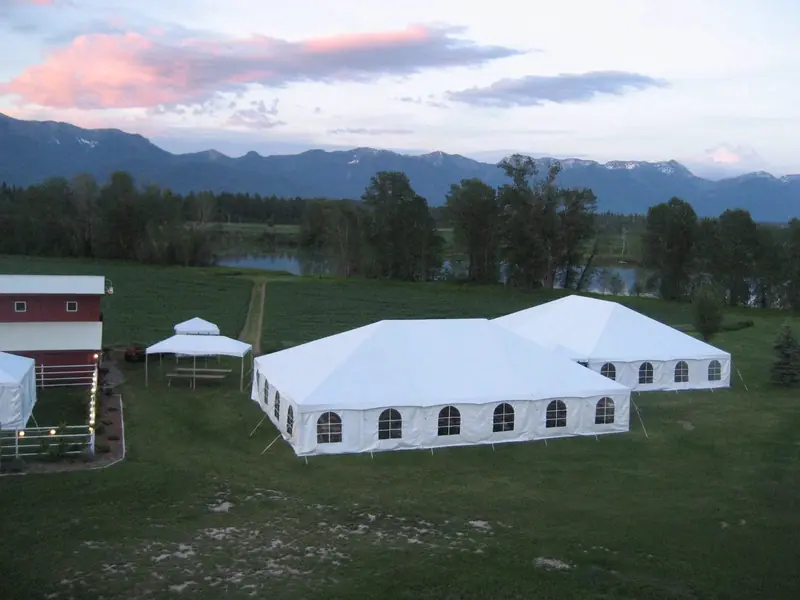
Celebrate Event Rentals offers sailcloth and Tidewater tents that can support gatherings of different sizes and styles.
The tent should be planned around more than seated capacity.
The floor plan may need room for dining tables, a stage, bars, lounge furniture, service pathways, heating equipment, and other areas.
Selecting the structure early creates a defined footprint for the rest of the planning process.
Build a Complete Corporate Event Rental Plan
A corporate event planning checklist should account for every physical element guests will use or see.
Waiting until the final weeks to determine tables, linens, glassware, or lighting can lead to rushed decisions and inconsistent styling.
A coordinated rental plan makes it easier to understand how all parts of the event fit together.
Plan the Rental Inventory by Category
Organizing rentals into categories can simplify the process.
A typical corporate event may require:
- Tents, tables, seating, bars, and dance floors
- Linens, dishware, glassware, and flatware
- Lounge furniture and conversation areas
- Lighting and heating
- Staging and other event-specific pieces
Start with the largest structural items before moving into tabletop and finishing details.
This ensures that the event layout is established before smaller design decisions are finalized.
Coordinate Tables, Seating, and Guest Flow
Tables and chairs should support the event program.
A seated client dinner may use a different arrangement from a networking event or company retreat.
Consider where guests will enter, where they will dine, how they will reach the bar, and whether they need clear sightlines to speakers or a stage.
The goal is to create natural movement without forcing guests through narrow service areas.
Lounge furniture can also help divide a larger room into smaller conversation zones, giving attendees options beyond their dining seats.
Select Linens and Tabletop Details Together
The tabletop is an important part of client-facing and executive events.
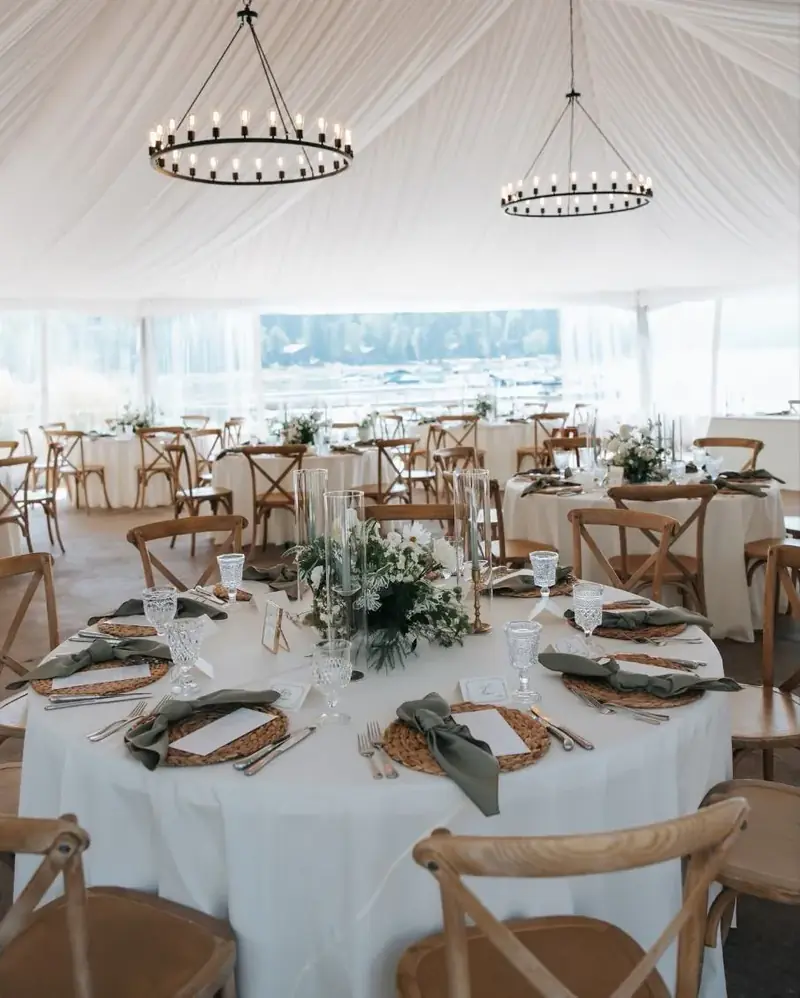
Celebrate Event Rentals provides hand-inspected linens along with dishware, glassware, and flatware.
Selecting these pieces as a coordinated group can create a more consistent presentation.
Start with the linen and overall visual direction, then choose the plates, glasses, and flatware that complement it.
For more formal corporate dinners, a refined table setting can reinforce the tone of the event without requiring excessive decoration.
Prepare for Weather, Delivery, and Final Event Logistics
The final weeks should focus on confirmation rather than making major new decisions.
At this point, the venue, rentals, guest count, and floor plan should already be established.
The planning team can then focus on logistics, delivery schedules, weather contingencies, and making sure every stakeholder is working from the same plan.
Create a Weather Contingency for Montana Events
Outdoor and tented corporate events in Montana need a weather plan.
Temperature changes, wind, and other conditions can affect guest comfort and event flow.
Tenting and heating should be considered early when the event is exposed to weather.
A corporate dinner or retreat can lose its intended atmosphere if guests become uncomfortable because shelter or heating was not properly planned.
The event checklist should identify the weather backup plan, heating needs, tent configuration, and any adjustments required for the season.
Confirm Delivery and Setup Timing
Rental delivery should be coordinated with the venue schedule and the rest of the event timeline.
The team should know when the rental crew can access the property, when setup must be completed, and when other vendors will arrive.
Celebrate Event Rentals provides delivery, setup, and takedown, allowing multiple rental categories to be handled within one coordinated plan.
Before the event, confirm the timing for:
- Rental delivery and installation
- Venue access
- Table and seating setup
- Bar, lighting, and staging placement
- Final walkthrough
- Takedown and removal
Clear timing reduces unnecessary overlap between crews.
Conduct a Final Venue Walkthrough
A final walkthrough provides an opportunity to verify details that may not be obvious on a floor plan.
Review table placement, chair spacing, bars, stages, lighting, entrances, pathways, and service areas.
Compare the final layout against the confirmed guest count.
This is also the time to make sure important attendees have appropriate seating and that guests can see speakers or presentations clearly.
A walkthrough can catch small problems before they become event-day disruptions.
Protect the Event From Common Planning Mistakes
Corporate events often involve important clients, company leaders, employees, or business partners, so avoidable mistakes can affect more than guest comfort.
A complete checklist helps protect the event from scheduling conflicts, poor weather preparation, fragmented vendor coordination, and forgotten post-event responsibilities.
Avoid Fragmented Rental Coordination
Each additional rental provider creates another delivery schedule, contract, contact person, and setup requirement.
Using one company for multiple event categories can simplify the process.
Celebrate Event Rentals can provide tents, tables, seating, linens, tabletop pieces, lounge furniture, lighting, heating, bars, and dance floors within one rental plan.
This makes it easier to align setup times and visual details across the event.
Do Not Leave VIP Confirmation Until Late
Speakers, executives, and other important attendees should be confirmed before major event decisions are locked.
If the keynote speaker becomes unavailable after invitations, travel, venue reservations, and seating plans have been arranged, the entire schedule may need to change.
Confirm these individuals early and maintain communication as the event approaches.
A final speaker and VIP check should also be included in the closing weeks.
Include a Post-Event Review
The planning process should not end when the last guest leaves.
A short post-event review can help the team identify what worked, what could be improved, and which planning decisions should be repeated in the future.
Discuss timing, attendance, venue flow, rental setup, guest feedback, and any unexpected issues.
Capturing these lessons can make the next corporate event easier to plan.
Frequently Asked Questions
What should be included in a corporate event planning checklist?
A corporate event planning checklist should include the event purpose, date, venue, guest count, important attendees, rental inventory, floor plan, weather contingency, delivery schedule, setup, final walkthrough, and post-event review.
How early should a corporate event venue be booked?
The venue should be secured early in the planning process after the event purpose, preferred date, and availability of key speakers or executives have been confirmed. Larger and destination events generally benefit from earlier planning.
What rentals are commonly needed for a corporate event?
Common rentals may include tents, tables, chairs, linens, dishware, glassware, flatware, lounge furniture, bars, lighting, heating, staging, and dance floors. The exact list depends on the event format.
Why is guest count important for corporate event planning?
Guest count affects the venue footprint, tent size, seating quantity, tables, place settings, heating, bars, service areas, and overall room layout. Keeping the count updated helps maintain an accurate rental plan.
Why is a final venue walkthrough important?
A walkthrough lets planners confirm seating, guest flow, bars, staging, lighting, entrances, and other layout details in the actual event space before guests arrive.
Can Celebrate Event Rentals help with destination corporate events?
Yes. Celebrate Event Rentals serves corporate events throughout the Flathead Valley and can coordinate rental planning with clients who are organizing events from outside the area.
Turn Your Corporate Event Checklist Into a Polished Event Plan
The strongest corporate event planning checklist begins with the purpose of the gathering and follows a clear sequence from there. Confirm the key attendees and date, secure the venue, establish the guest count, build the rental plan, prepare for Montana weather, and verify the final layout before event day.
When those details are handled in the right order, the checklist becomes more than a list of tasks. It becomes a practical system for keeping the event organized, protecting the timeline, and creating a professional experience for guests.
Celebrate Event Rentals can help corporate planners coordinate tents, tables, chairs, hand-inspected linens, dishware, glassware, flatware, lounge furniture, lighting, heating, bars, dance floors, delivery, setup, and takedown throughout Montana's Flathead Valley. Contact Celebrate Event Rentals with your event date, venue, guest count, and rental needs to begin building a corporate event plan around one coordinated setup.