Planning a Destination Wedding in Flathead Valley: What to Rent and When
 By Scott EastmanOwner, Celebrate Event Rentals
· 13 min read
By Scott EastmanOwner, Celebrate Event Rentals
· 13 min read
A destination wedding in Flathead Valley can feel deceptively simple at first. Mountain views, open meadows, wooded properties, lakeside venues, and resort grounds create an atmosphere before a single table is set. What makes these celebrations more complex is the infrastructure that may need to be brought in to make the event comfortable, functional, and cohesive.
That is why rental planning should begin with more than a list of attractive chairs or linens. Couples need to understand what the venue provides, how many guests are expected, how the day will move from ceremony to dinner and dancing, and what needs to be in place if Montana weather changes. For couples researching event rentals in Flathead Valley, the most useful approach is to build the plan in stages: establish the framework first, reserve the pieces that shape the event early, and refine the visual details as the wedding develops.
Start With the Wedding Before Starting With the Rentals
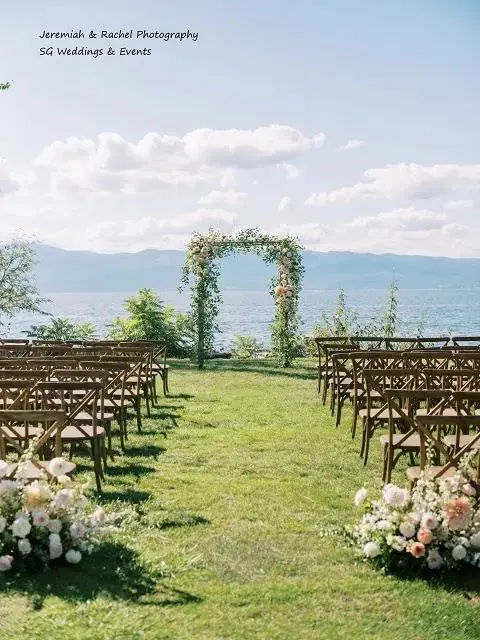
Before choosing individual pieces, couples need a clear picture of the event those rentals are meant to support. A resort wedding with established infrastructure will have different needs from a private estate, meadow, or lakeside property where much of the reception must be created from the ground up.
Confirm What the Venue Already Provides
The venue should be the first reference point for the rental list. Some properties may already have tables, chairs, indoor reception space, or basic power access, while others may expect couples to bring in nearly everything. Understanding those differences prevents duplicate rentals and reveals which categories require the most planning.
Before building a quote, confirm:
- Which tables and chairs, if any, are included
- Whether there is an indoor or covered weather alternative
- Whether tents are permitted and if installation restrictions apply
- What electrical access is available for lighting, entertainment, and catering
- Where rental vehicles can load in and out
- When setup can begin and when rentals must be removed
- Whether venue rules affect staging, flooring, bars, or other infrastructure
Establish a Working Guest Count
A final RSVP count is not necessary at the beginning, but a realistic estimate is. Guest count influences tent size, table quantities, chair counts, tabletop inventory, bar capacity, dance floor space, and the overall reception footprint.
A working range gives the planner, venue, and rental team enough information to create a layout that can evolve as responses come in.
Map the Flow of the Wedding Day
A wedding is rarely one static setup. Guests may move through a ceremony, cocktail hour, dinner, dancing, lounge areas, and bar service over several hours. Each phase can create a different rental need.
Thinking through the day in sequence makes it easier to identify where seating is required, where guests will gather, and which areas need to remain open for service. This is particularly useful for outdoor weddings spread across a property.
Which Wedding Rentals Should Be Reserved First?
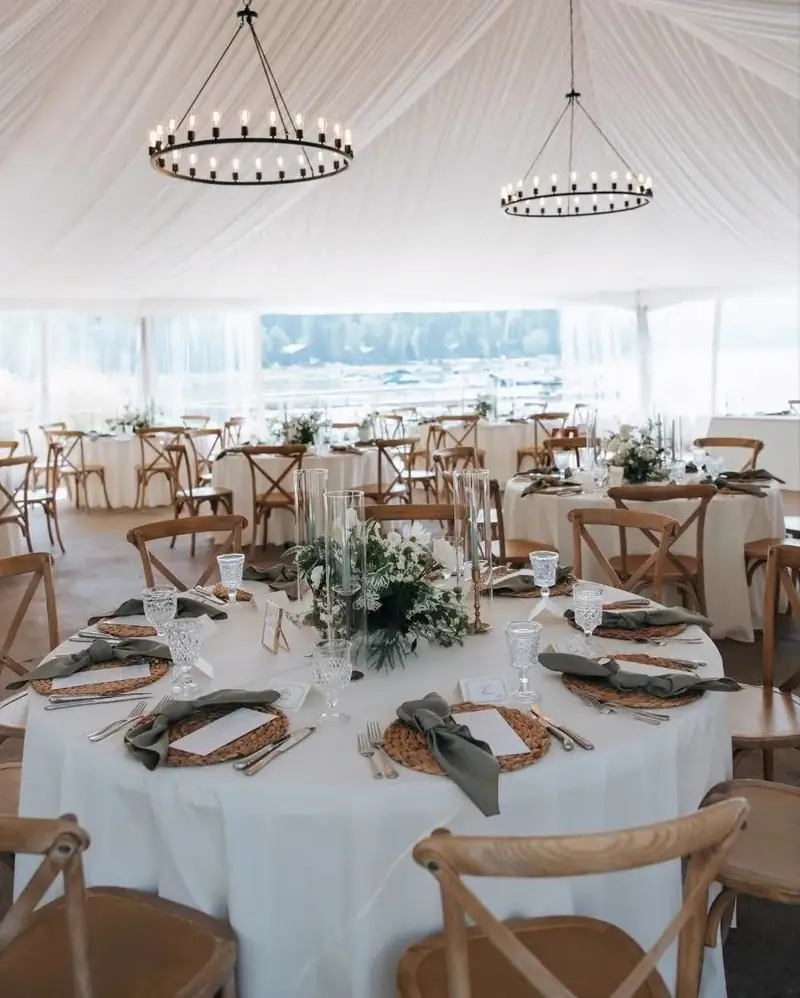
Not every rental decision needs to happen at the same time. Pieces that determine the event footprint or may have limited availability should usually be addressed before decorative details. Once that framework is secure, couples can refine the visual elements without rebuilding the plan.
Tent and Weather Infrastructure
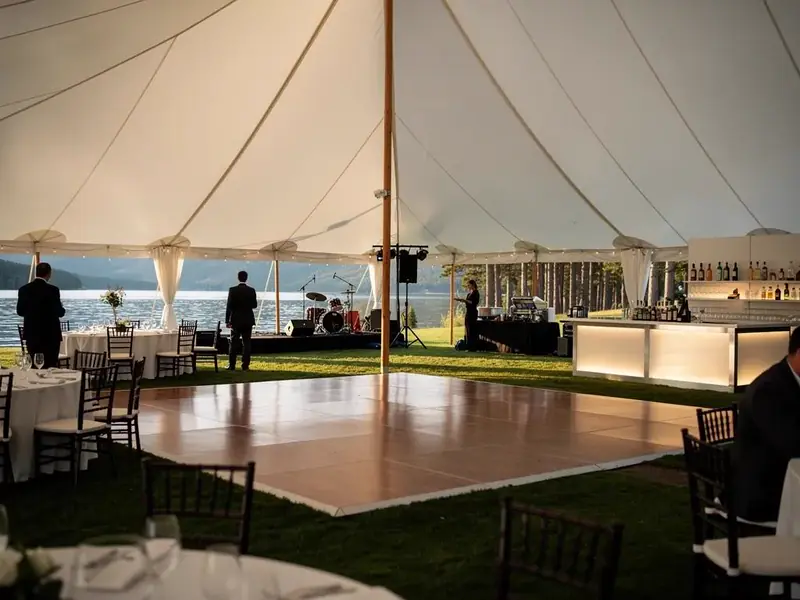
For an outdoor wedding, the tent or weather plan is one of the earliest conversations to have. A tent may become the primary reception space, so it needs to accommodate dining, service aisles, entertainment, a dance floor, bars, and other activity zones.
Sizing depends on more than guest count. Two weddings with the same attendance can require different footprints if one includes long banquet tables, a band, multiple bars, or lounge areas. Weather-related additions such as sidewalls, heating, or cooling may also affect how the structure functions.
Celebrate Event Rentals offers sailcloth and clear-top tents and plans weather-related equipment with clients. At this stage, the priority is not comparing every tent style. It is determining whether a structure is needed and how much of the wedding it needs to support.
Core Tables and Seating
Once the event footprint is understood, tables and chairs can be planned in relation to the floor plan. Their configuration influences catering flow, linen quantities, centerpieces, and how comfortably guests move through the reception.
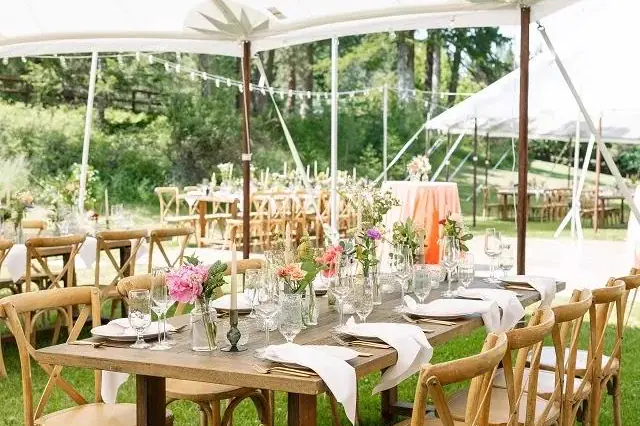
Long tables create a different layout from rounds, while a mix of table styles can help define family seating, the wedding party, or smaller gathering areas. Ceremony seating may also need separate planning if moving the same chairs between locations would disrupt the timeline.
High-Priority Signature Pieces
Some rentals are important because they define the visual direction. A particular tent, farm table, chair, bar, or linen may be central enough to shape the rest of the wedding design. If a couple considers one of these pieces essential, it is worth discussing availability early instead of assuming it can be added close to the event date.
Popular rental items can book early during Montana's event season, so a quote request should be treated as the beginning of the process rather than a reservation. Availability is confirmed as part of booking.
What Can Be Selected Later in the Planning Process?
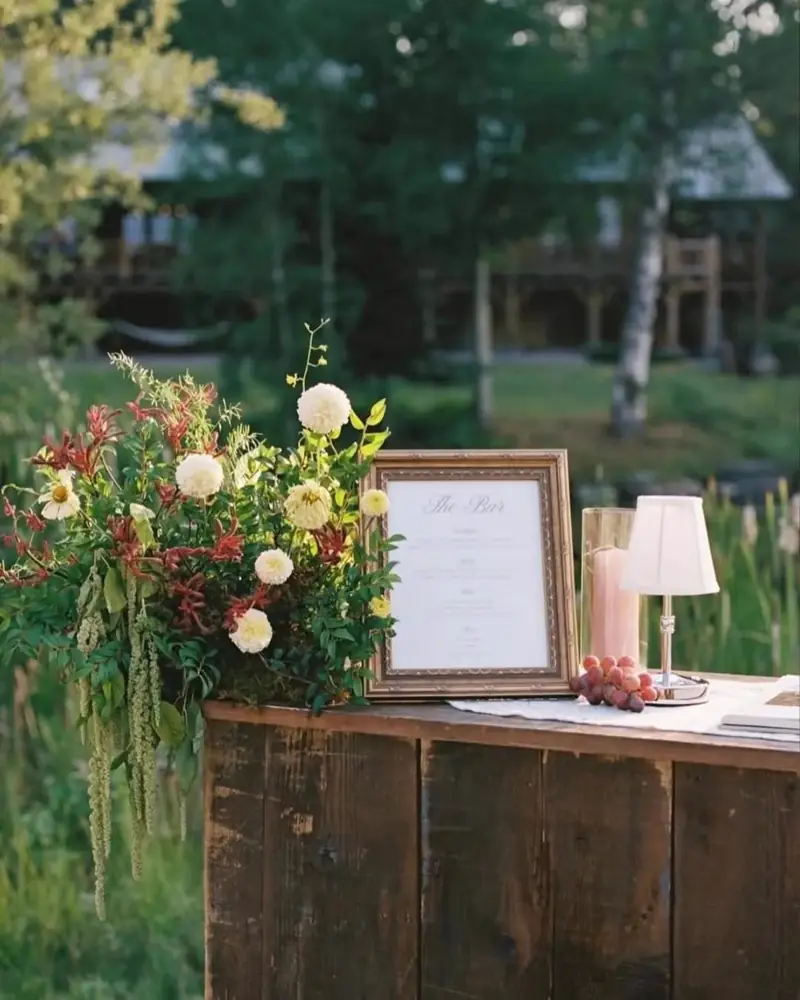
Once the main infrastructure is established, couples can move into the details that give the reception its visual character. These decisions are easier to make when the venue, layout, and major rental categories are already defined.
Linens and Tabletop
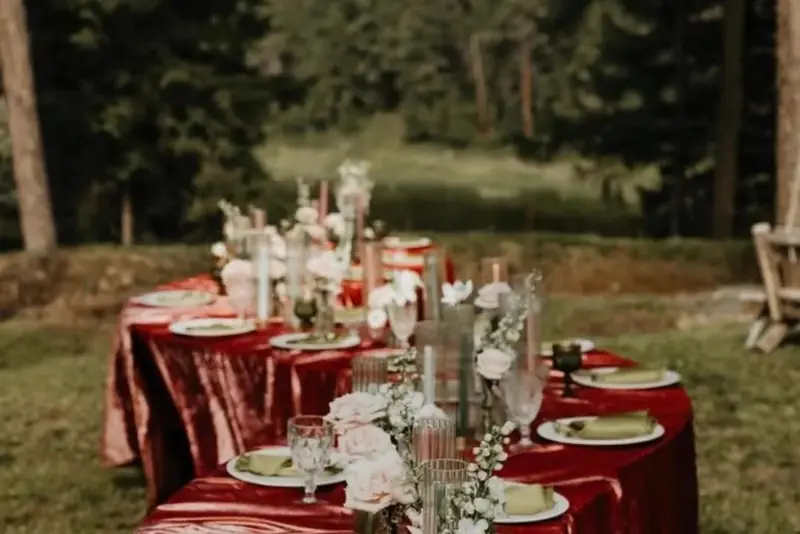
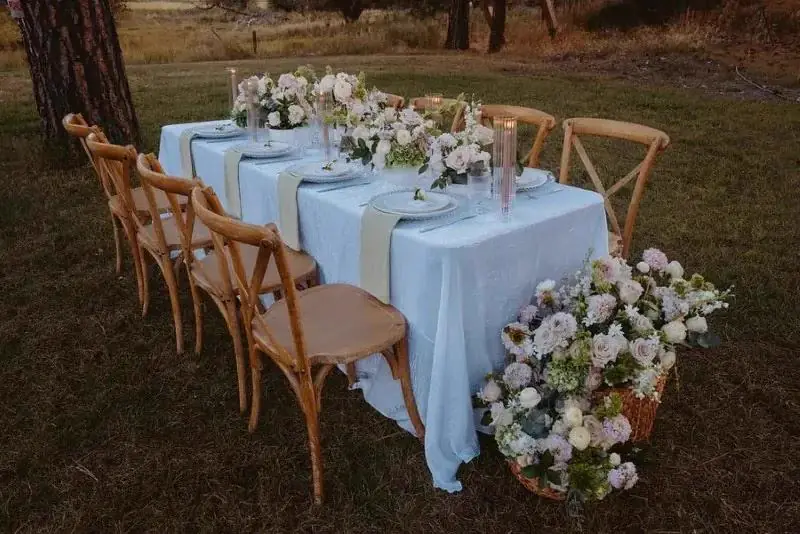
Linens, plates, glassware, and flatware sit directly in front of guests for much of the reception, so they have a strong influence on how the room feels. They can add texture, color, contrast, or restraint without requiring every element to match.
Rather than choosing tabletop pieces independently, consider them alongside florals, stationery, the venue setting, and the overall level of formality. Celebrate Event Rentals carries roughly 700 linen options along with dishware, glassware, and flatware, allowing these details to be considered as one table design.
Bars, Lounge Furniture, and Supporting Rentals
Supporting rentals are most effective when they have a clear role. A bar should be accessible without interrupting dinner service. Lounge furniture can create a comfortable gathering area near cocktail hour or dancing, while cocktail tables, staging, and dance floors help define how guests use different parts of the reception.
Lighting and Climate Considerations
Lighting and climate equipment are easier to plan once the schedule and layout are clearer. A dinner continuing after sunset may require a different lighting approach from an afternoon reception, while heating or cooling needs depend on season, exposure, and where guests will spend most of the evening.
A Practical Timeline for Event Rentals in Flathead Valley
There is no single calendar that fits every Montana wedding, but the order of decisions matters. Separating early structural choices from details that can evolve makes the process easier to manage.
| Planning Stage | Main Rental Decisions | What Can Still Evolve |
|---|---|---|
| Early planning | Venue requirements, tent needs, approximate guest count, major tables and seating, signature rentals | Exact quantities, linen colors, tabletop details |
| Mid-planning | Preliminary floor plan, tabletop direction, bars, lounge areas, dance floor needs | Guest-count adjustments, styling refinements |
| Final planning months | Updated quantities, lighting, climate equipment, staging and service needs | Minor layout and design changes |
| Final confirmation | Delivery access, setup schedule, strike timing, final counts and contacts | Only necessary last adjustments |
What Needs to Be Decided Early
Anything that determines the physical structure of the event deserves early attention. That includes venue requirements, tent needs, approximate guest count, and major furniture. Signature pieces that are important to the design should also be discussed early, particularly during busy wedding months.
What Can Stay Flexible
Final quantities, some tabletop details, and smaller styling choices can remain flexible while the guest list and design evolve. Couples can then respond to updated RSVP numbers, floral plans, catering requirements, and the final timeline without changing the entire rental strategy.
Build the Rental Plan Around the Venue

Flathead Valley weddings can take place in settings with very different levels of built-in infrastructure. The venue therefore affects not only the style of rentals but also how much equipment is required to make the event function.
Resort and Established Event Venues
Hotels, resorts, and established event properties may already provide parts of the reception framework. Depending on the property, couples may be supplementing existing tables, chairs, or indoor spaces rather than creating the entire environment from scratch.
The rental plan should begin by identifying those inclusions and then filling genuine gaps. That may mean adding specialty linens, tabletop pieces, statement furniture, or an outdoor structure without duplicating what the venue already supplies.
Private Estates and Outdoor Properties
Private properties can offer more freedom, but they often require more infrastructure. Beyond tables and seating, couples may need tents, lighting, power, bars, flooring, climate equipment, or catering support depending on what exists on site.
Access matters too. A beautiful location still needs a practical route for delivery and setup, so those details should be discussed before the layout is final.
Lakeside and Mountain Settings
Scenic outdoor properties bring practical considerations such as exposure, ground conditions, evening temperatures, and the distance between event areas. These factors can influence the tent, furniture, lighting, and service plan.
Plan for Montana Weather Without Designing Around Fear of It
Weather planning is part of an outdoor Montana wedding, but it does not have to dominate the design. A thoughtful contingency plan allows couples to keep the setting they chose while making sure the celebration can continue comfortably if conditions change.
Create a Backup Plan Early
The most useful weather plan exists before the forecast becomes a daily concern. Couples should know where dinner takes place if conditions shift, whether the ceremony has a covered alternative, and what tent or sidewall options are part of the plan.
Think Beyond Rain
Rain is only one variable. Cooler evening temperatures, wind, and changing sun exposure can affect how a space feels over several hours. A reception that is comfortable in late afternoon may need a different setup after sunset.
Heating, cooling, sidewalls, and lighting can therefore be considered as part of the larger comfort plan.
Connect Weather Decisions to the Floor Plan
A weather change can affect cocktail-hour flow, dining arrangements, bar placement, and the amount of covered space needed for vendors and service. When the floor plan already accounts for these possibilities, adjustments are easier to make without disrupting the whole reception.
Make Delivery and Setup Part of the Planning Conversation
Rental planning is not complete when the items are chosen. Those pieces still need to reach the venue, be installed or placed at the correct time, and be removed after the celebration.
Confirm Venue Access
Before finalizing logistics, confirm:
- Approved delivery and pickup windows
- Truck access and unloading areas
- Setup locations and venue restrictions
- Whether other vendors will be loading in at the same time
- When the property must be cleared after the event
Coordinate Rental Setup With Other Vendors
The planner, venue, caterer, florist, entertainment team, and rental crew may all need access to the same spaces during setup. Their schedules should work together rather than compete for the room.
Tables may need to be in place before floral and tabletop work begins, while entertainment setup can affect the final position of the dance floor or nearby furniture. A coordinated timeline reduces unnecessary movement once styling is underway.
Know What the Rental Company Handles
Couples should understand who is responsible for delivery, installation, placement, breakdown, and pickup. Celebrate Event Rentals delivers, sets, and strikes rentals across the Flathead Valley and Northwest Montana, with tents installed by its crew. Clarifying these responsibilities early makes it easier to build a realistic setup and breakdown schedule.
Planning Flathead Valley Rentals From Out of State
Many destination couples begin planning before they can make repeated trips to Montana. Rental decisions can still move forward when the right information is gathered early.
Gather the Right Information First
Before beginning a remote rental conversation, it helps to have:
- Wedding date and venue
- Approximate guest count
- Known venue inclusions
- General event format and design direction
- Planner or venue contact information, when applicable
- Any major pieces the couple already knows it wants
This gives the rental team enough context to identify what may be missing without requiring every detail to be finalized.
Build a Preliminary Rental List Remotely
A first rental list can be broad. Couples may know they need a tent, tables, chairs, linens, a bar, and tabletop pieces without yet knowing the exact style or quantity of each. Starting with categories keeps planning moving while guest count and design decisions develop.
Celebrate Event Rentals allows clients to browse its live catalog and build a quote online before confirming an order, making it possible to organize choices from out of state rather than waiting for an in-person visit.
Refine the Plan as the Wedding Develops
Remote planning works best as an ongoing process. Video consultations and updated rental lists can help couples refine quantities and selections as venue details, RSVP numbers, and the design become clearer.
Keep the Rental Plan Cohesive From Tent to Tabletop
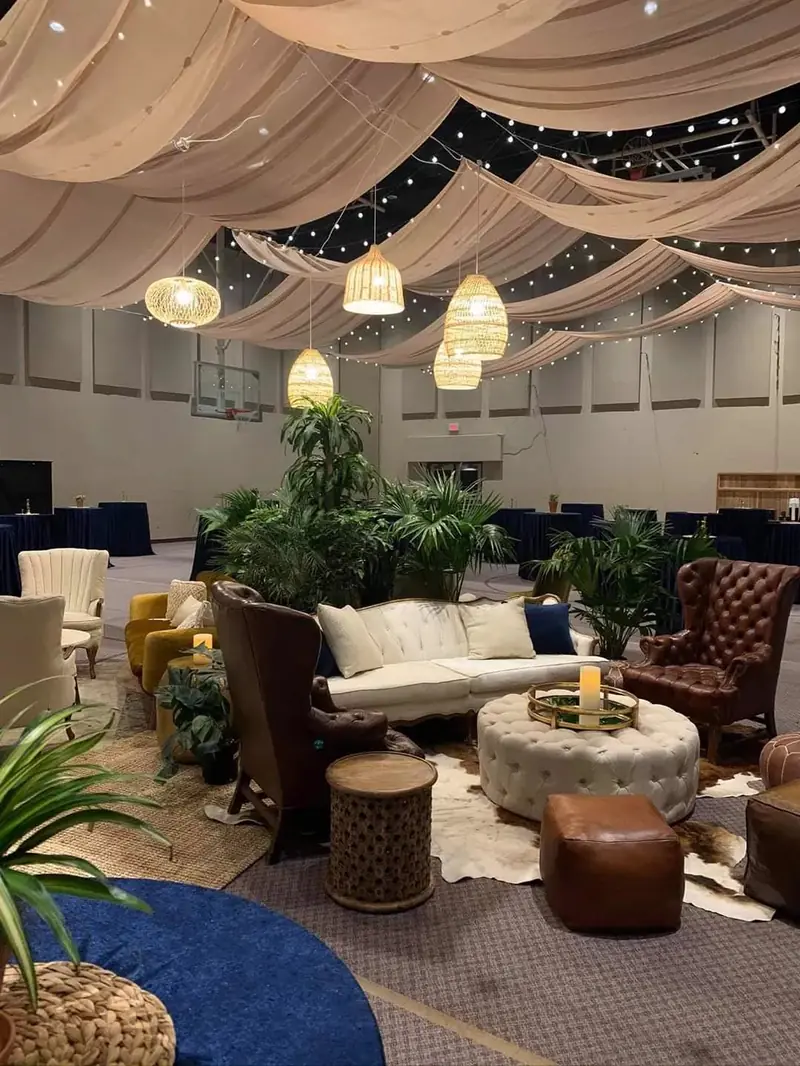
A rental plan is most successful when every category is considered part of a single, unified event rather than a collection of separate decisions. The largest elements establish the framework for the celebration, and each smaller selection should be chosen to support that framework.
Let the Floor Plan Guide the Design
The planning sequence generally follows a natural progression:
Tent or reception space, tables, seating, tabletop, bar, dance floor, lighting
Each decision shapes the one that follows. Table configuration determines linen quantities. A dance floor influences how much dining space remains. Bar placement affects circulation, and lighting is best planned around the spaces guests will actually occupy.
Prioritize Function Before Decorative Details
A beautiful rental serves the celebration best when it also performs well within it. Chairs should sit comfortably at the tables, bars should support smooth service, lounge pieces should create inviting gathering areas, and lighting should enhance the atmosphere while still allowing guests and vendors to move through the space with ease.
Use One Overall Design Direction
Cohesion does not require every rental to match precisely. A wedding can bring together varied textures, materials, and tones while still feeling intentional and considered. What matters most is that each choice relates to the setting and to the other selections around it.
In Flathead Valley, where the landscape is often the wedding's most striking feature, rentals are best chosen to frame that setting rather than compete with it.
A Final Rental Checklist Before the Wedding
As the wedding approaches, the focus should shift from adding new ideas to confirming that the plan is complete. Before the final rental order is settled, review:
- Final guest count
- Tent and weather plan
- Table and chair quantities
- Linen selections
- Dishware, glassware, and flatware quantities
- Bars and supporting furniture
- Dance floor or staging
- Lighting and climate equipment
- Delivery date and access instructions
- Setup responsibilities
- Strike and pickup timing
- Primary wedding-day contacts
Make sure quantities agree across the floor plan, catering plan, and guest list before delivery day.
Frequently Asked Questions
How far in advance should wedding rentals be booked in Flathead Valley?
Rental planning should begin early, especially for tents, core tables and chairs, and any signature pieces central to the design. Montana's event season draws heavy demand, so a quote request marks the start of the process rather than a guaranteed hold. Availability is confirmed at booking, while linens, tabletop details, and styling can be refined later.
How many guests can a wedding tent in Montana comfortably hold?
Tent capacity depends on more than guest count alone. Layout elements such as banquet tables, a band, multiple bars, lounge areas, or a dance floor all affect the footprint, since the tent often serves as the entire reception space. Weather additions like sidewalls, heating, or cooling can further reduce usable space, so sizing is planned around the full event flow.
What should be included in a rental quote for a Flathead Valley wedding?
A useful starting quote reflects the wedding date and venue, an approximate guest count, known venue inclusions, the general event format, and any essential pieces already in mind, such as a specific tent or bar. Categories like tents, tables, chairs, linens, bars, and tabletop pieces can be identified before exact styles or quantities are set, giving the rental team a framework to refine as details develop.
Who handles delivery, setup, and breakdown of wedding rentals?
Celebrate Event Rentals delivers, sets, and strikes rentals across the Flathead Valley and Northwest Montana, installing tents with its own crew. Delivery windows, truck access, and setup timing should be confirmed with the venue, particularly when other vendors need the same spaces, so responsibilities stay clear and the schedule stays coordinated.
Can wedding rentals be planned for Flathead Valley from out of state?
Yes. Many destination couples plan before visiting Montana in person, using the wedding date, venue, guest count, and known venue inclusions to get started. Celebrate Event Rentals' online catalog allows clients to browse and build a quote remotely, while video consultations and updated rental lists help refine selections as details become clearer.
What happens if it rains during an outdoor Montana wedding?
A weather plan is established early, so couples already know where dinner will move, whether the ceremony has a covered alternative, and what tent or sidewall options are available. Beyond rain, cooler evening temperatures, wind, and shifting sun exposure affect comfort, so heating, cooling, sidewalls, and lighting are planned together within the floor plan.
How many linen options does Celebrate Event Rentals offer for weddings?
Celebrate Event Rentals carries roughly 700 linen options alongside dishware, glassware, and flatware, allowing tabletop details to be planned as one cohesive design. This range makes it possible to add texture, color, contrast, or restraint based on florals, stationery, and the venue's overall level of formality.
Plan the Big Decisions First, Then Refine the Details
Planning a destination wedding in Flathead Valley becomes more manageable when rentals are approached in the right order. Begin with the venue, guest count, infrastructure, and event flow. Reserve the pieces that shape the reception, then move into linens, tabletop, supporting furniture, lighting, and the details that give the wedding its individual character.
This approach keeps the plan flexible while helping couples avoid choices that do not work together once the full reception is assembled.
Celebrate Event Rentals has served the Flathead Valley since 2009, providing tents, tables, chairs, linens, tabletop pieces, lighting, bars, flooring, and other event rentals across Northwest Montana. Couples planning locally or from out of state can browse the collection, build a quote, and begin shaping a rental plan around the venue, guest count, and wedding they actually want to create.