A Rental Planning Guide for a Montana Destination Wedding
 By Scott EastmanOwner, Celebrate Event Rentals
· 14 min read
By Scott EastmanOwner, Celebrate Event Rentals
· 14 min read

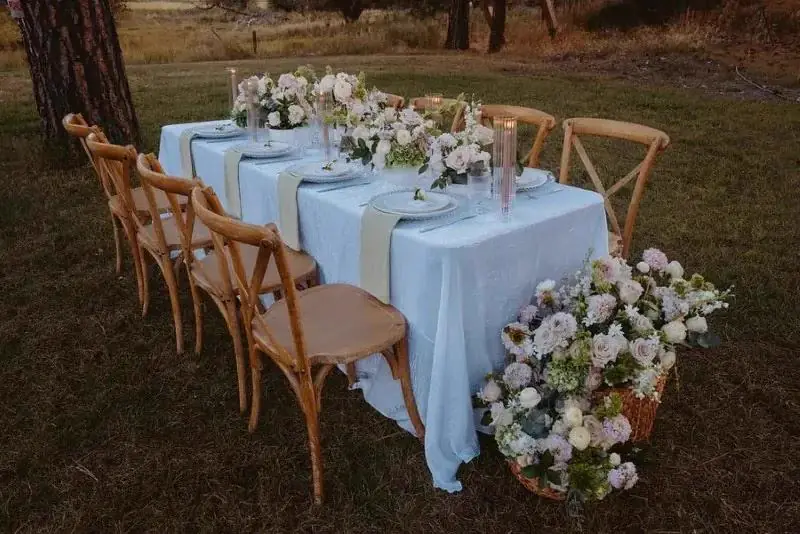
Planning a destination wedding in Montana often means choosing the setting before fully understanding what it will take to build the celebration around it. A lakefront property, ranch, resort, or open-air venue in the Flathead Valley may already provide a memorable backdrop, but the rental requirements can vary significantly depending on what infrastructure exists on site.
For couples planning from another state, that makes the rental process about more than selecting chairs, linens, and table settings. The venue, guest count, reception format, weather plan, catering requirements, and delivery logistics all need to work together before the finer design details are finalized.
A useful approach to destination wedding rentals in Montana is to build the plan in layers. Start by understanding what the venue provides, identify the infrastructure that needs to be brought in, establish the major functional rentals, and then refine the aesthetic details as the wedding takes shape. This keeps the process manageable while reducing the chance that an important practical requirement is discovered too late.
Start With the Venue Before Building the Rental List
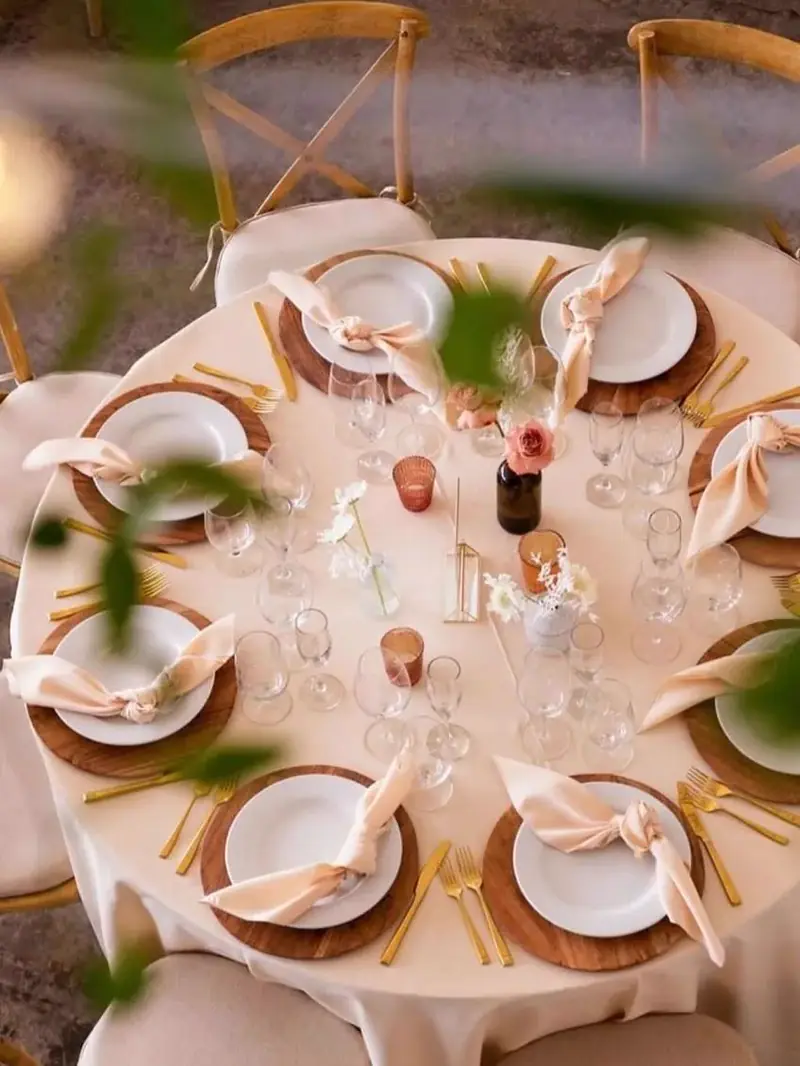
The venue should determine the rental plan, not the other way around. A couple can fall in love with a particular chair or table style early in the process, but those decisions mean little until they know what the property includes and what the reception space can realistically accommodate.
A resort wedding may require only supplemental rentals, while a private estate may need much of the event environment created from the ground up.
Find Out What Is Already Included
Before requesting rentals, couples should create an inventory of what the venue already provides. This prevents unnecessary duplication and makes it easier to identify the items that genuinely need to be sourced.
Confirm whether the property includes:
- Ceremony or reception chairs
- Dining tables
- Indoor reception space
- Covered backup areas
- Bars
- Basic lighting
- Electrical access
- Restrooms
- Catering or prep areas
- Existing dance flooring
- Setup and breakdown support
Couples should also clarify whether included furniture must remain in a particular area or whether it can be moved. A venue may technically provide tables and chairs while still requiring additional rentals for an outdoor ceremony, cocktail hour, or alternate reception layout.
Identify What Needs to Be Brought In
Once venue inclusions are clear, the rental list becomes easier to organize.
A destination wedding may require a combination of:
- Structural rentals: tents or other covered spaces
- Furniture: dining tables, chairs, cocktail tables, and lounge pieces
- Tabletop: linens, plates, glassware, and flatware
- Reception infrastructure: bars, dance floors, staging, and lighting
- Climate considerations: heating or other weather-related equipment where appropriate
Not every wedding needs every category. The goal is to identify what the venue lacks and what the event format requires.
Separate Essentials From Design Upgrades
It is useful to divide the list into three levels:
Required infrastructure, Functional rentals, Decorative rentals
A tent may be necessary for a property without a covered reception area. Tables and chairs are functional requirements. Specialty linens or lounge furniture may be important to the design but can often be refined later.
This hierarchy helps destination couples prioritize decisions without feeling as though the entire wedding needs to be designed during the first rental conversation.
How Venue Type Changes the Rental Plan
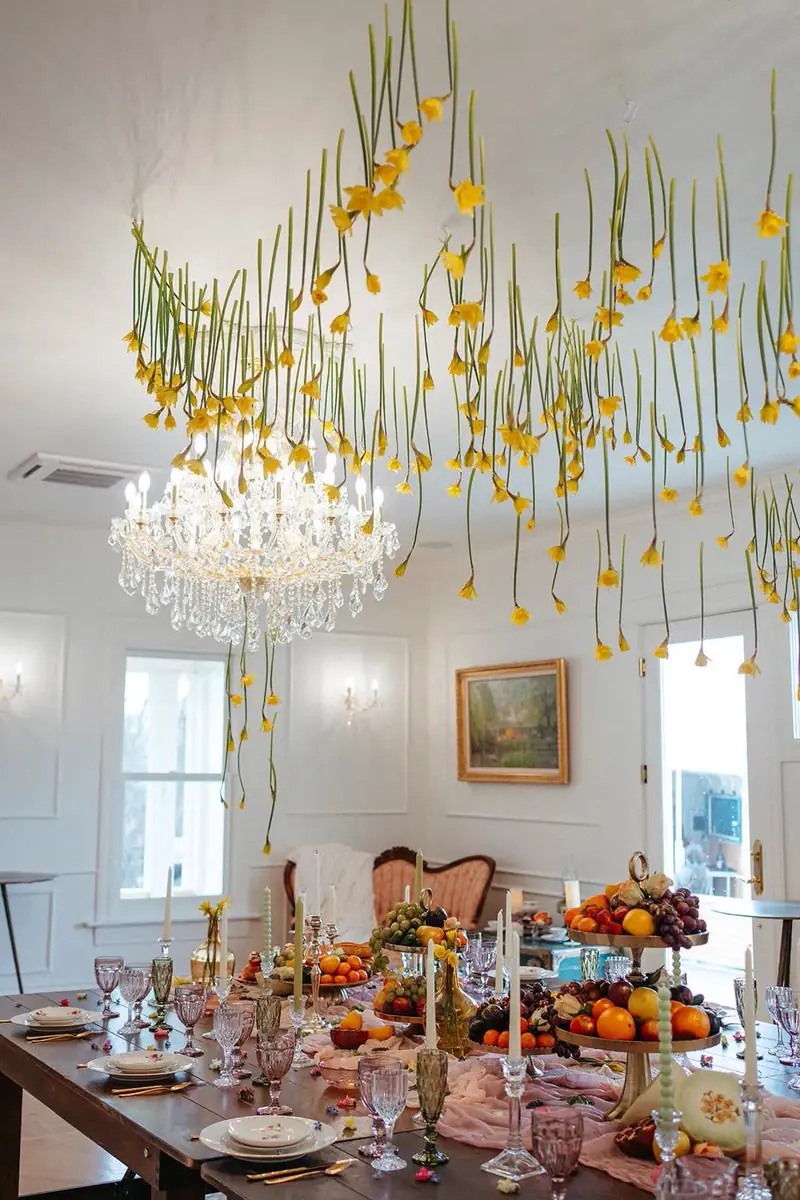
Flathead Valley weddings take place in a wide variety of settings, and each one creates different rental requirements. Instead of beginning with a standard package, couples should consider how much event infrastructure already exists at the property.
Resorts and Established Wedding Venues
Established wedding venues often provide more built-in infrastructure. They may already have indoor reception space, power, restrooms, catering access, or basic furniture.
In these settings, rentals can be used more selectively. Couples may choose specialty chairs, upgraded linens, distinctive tabletop pieces, lounge furniture, outdoor ceremony seating, or a tent for a portion of the celebration.
The objective is to supplement the venue rather than recreate what is already available.
Barn and Ranch Weddings
Barn and ranch properties can provide a defined reception environment while still requiring additional rentals to complete the wedding.
Couples should clarify the capacity of the existing indoor space, whether tables and chairs are included, and how outdoor ceremony or cocktail areas will be furnished. Supplemental lighting, tenting, bars, or additional seating may be needed depending on how the property will be used.
The most important step is distinguishing what the barn provides from what the wedding itself requires.
Private Estates and Open Properties
Private properties can provide considerable design freedom, but they often require more planning because they were not necessarily built to host large events.
In addition to tables and chairs, couples may need to think about:
- Tent or covered reception space
- Lighting
- Power
- Bars
- Catering support areas
- Dance flooring
- Guest circulation
- Weather contingencies
- Delivery and vendor access
This is where a rental plan begins functioning as part of the event infrastructure rather than simply as décor.
Lakeside and Outdoor Properties
Outdoor properties around Northwest Montana can place the landscape at the center of the celebration, but that same openness can affect logistics.
Exposure, ground conditions, guest movement, weather protection, evening comfort, and delivery access should all be considered before the floor plan is finalized.
Couples do not need to design around every possible weather scenario, but they should understand how the site itself affects the rental plan.
Build the Rental Plan Around the Guest Experience
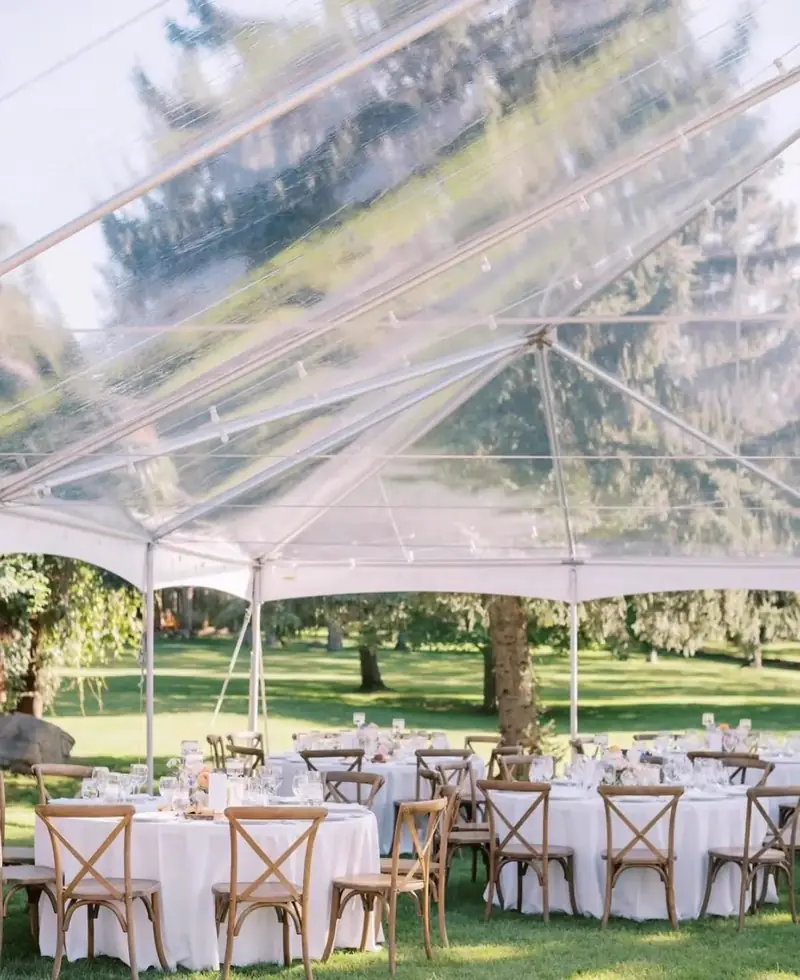
A stronger rental list follows the progression of the wedding day rather than treating every product category separately.
Thinking through how guests move from one portion of the event to another helps identify both functional needs and opportunities to create distinct environments within the same property.
Ceremony
Ceremony rentals may include seating, aisle arrangements, an arbor or focal structure, and weather protection where necessary.
Couples should also consider how guests reach the ceremony area, whether seating needs to remain there afterward, and whether any pieces will be reused elsewhere.
The ceremony does not need to contain many rental elements, but the ones that are present should support both comfort and the setting.
Cocktail Hour
Cocktail hour often benefits from a more flexible furniture plan.
Potential rentals include:
- Cocktail tables
- Bar structures
- Lounge seating
- Small side tables
- Additional shade or shelter
The goal is to create places where guests can gather comfortably without turning the space into a second formal reception layout.
Dinner and Reception
The reception typically contains the largest concentration of rentals.
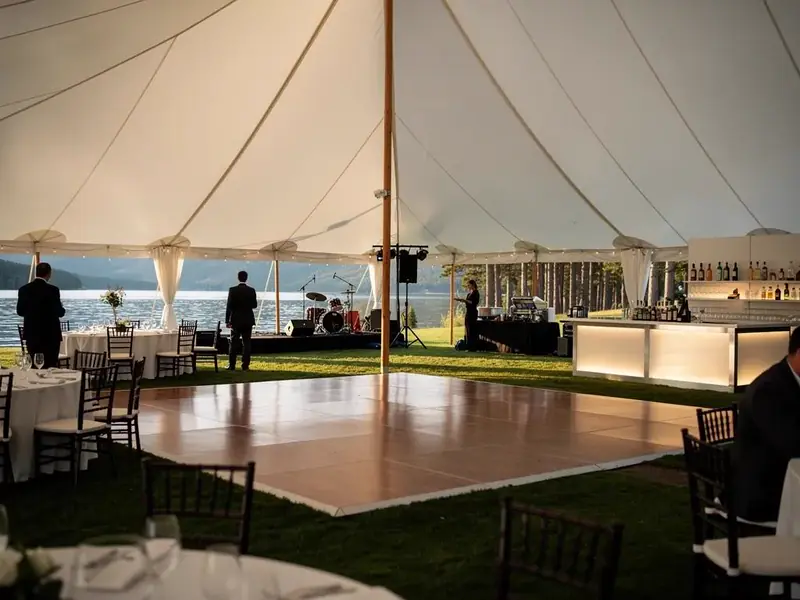
Tables, chairs, linens, tabletop pieces, bars, dance flooring, entertainment equipment, lighting, and any lounge furniture all need to work within the same floor plan.
Rather than selecting these categories independently, couples should think about how they interact. A larger dance floor changes table placement. A statement bar affects circulation. Long dining tables use space differently from rounds.
The complete layout should guide the rental decisions.
Late-Evening Use
A reception space can feel very different after sunset.
Lighting becomes more important, temperatures may change, and guests may spend more time near the dance floor, bar, or lounge areas. Thinking through the final hours of the event prevents the plan from being designed only around how the venue looks during daylight.
Which Rentals Should Destination Couples Prioritize First?
Not every rental needs to be selected at the same stage.
The pieces that affect the physical structure of the event or have limited availability generally deserve earlier attention than smaller styling details.
Tent or Weather Structure
If the wedding depends on a tent or other covered structure, that decision should be addressed early.
Couples should have a working idea of:
- Approximate guest count
- Venue footprint
- Reception format
- Major activities under the tent
- Weather contingency needs
The exact interior design can evolve later. The important step is determining whether the event depends on a structure and what that structure needs to accommodate.
Tables and Seating
Tables and seating establish much of the reception layout.
At this stage, couples do not need every quantity finalized, but they should know the general dining format and whether the venue's existing inventory will be used.
A preliminary furniture plan also makes it easier to determine linen quantities, tabletop needs, bar placement, and circulation.
Signature or Limited-Inventory Pieces
Some rentals are important enough to the design that they should be discussed early.
These might include:
- A particular tent style
- Specialty chairs
- Farm tables
- Statement bars
- A specific linen collection
- Distinctive lounge furniture
If one piece is central to the wedding vision, it makes more sense to establish availability before building the rest of the design around it.
Design Details That Can Come Later
Smaller selections often have more flexibility.
Final linen shades, glassware, flatware, and accent pieces can be refined as the floral direction, stationery, and guest count become clearer.
This prevents couples from spending early planning energy on details that may shift once the larger event structure is established.
A Destination Wedding Rental Timeline
Every event follows a slightly different schedule, so the timeline below should be treated as a planning framework rather than a rigid booking rule.
| Planning Stage | Rental Priorities | What Can Still Change |
|---|---|---|
| 9–12+ months | Venue needs, tent requirements, major furniture, high-priority rentals | Final quantities and styling |
| 6–9 months | Preliminary floor plan, ceremony seating, bars, lounge areas | Linen and tabletop refinements |
| 3–6 months | Lighting, tabletop direction, dance floor, supporting rentals | Guest-count adjustments |
| Final planning period | Quantities, delivery access, setup, strike, final contacts | Minor necessary revisions |
What Should Be Secured Early
The earliest decisions should focus on the pieces that determine what the event can physically support.
That includes tents, major furniture categories, and any signature rentals that would materially affect the design if they were unavailable.
Couples should also make sure the venue requirements are understood early enough that the rental company is not designing around incomplete information.
What Can Remain Flexible
Some quantities and aesthetic selections can continue to evolve.
Final guest count, tabletop quantities, smaller décor rentals, and certain layout details may not be clear until later in the planning process. Keeping those areas flexible allows the plan to respond to RSVP changes and vendor decisions without forcing couples to redesign the entire event.
Build One Floor Plan Before Finalizing Individual Rentals
A rental list becomes much easier to evaluate once it is attached to a floor plan.
Without one, couples can end up selecting attractive pieces without understanding whether there is enough room for them or whether they support the flow of the event.
Start With the Major Zones
Identify where the primary functions of the wedding will happen:
- Ceremony
- Cocktail hour
- Dinner
- Bar
- Dance floor
- Entertainment
- Lounge areas
Some of these may occupy the same space at different times, while others need dedicated areas throughout the event.
Check How Guests Will Move Through the Space
The floor plan should make circulation intuitive.
Guests need comfortable routes between dining tables, bars, dance areas, restrooms, entrances, and outdoor spaces. Placing too much furniture into a reception can create the opposite of the welcoming environment couples intended.
The spaces between rental elements matter just as much as the rentals themselves.
Make Sure Vendor Needs Fit Too
Guest experience is only one part of the floor plan.
Catering teams may need service areas and clear paths to dining tables. Entertainment requires dedicated space. Florists may need access after furniture installation. Rental crews need adequate time and room to complete setup.
Building these operational requirements into the layout from the beginning helps the finished reception feel effortless even though a substantial amount of planning is happening behind the scenes.
Coordinate the Rental Design Without Overcomplicating It
Once the functional plan is established, couples can begin refining how the wedding looks.
A destination wedding does not need every chair, linen, glass, and accent piece to make a statement. Often, a smaller number of well-connected design choices creates a stronger result.
Let the Venue Influence the Design
The venue already contributes architecture, materials, colors, and landscape.
Rather than forcing a predetermined theme onto the property, couples can use rentals to complement what is already there. A ranch, lakeside property, resort, and private estate may each suggest a different level of formality and different materials.
This approach also helps the wedding feel specific to its setting rather than interchangeable with an event that could take place anywhere.
Choose a Few Design Anchors
A few key rentals can establish the overall direction.
Possible anchors include:
- Chair style
- Linen texture
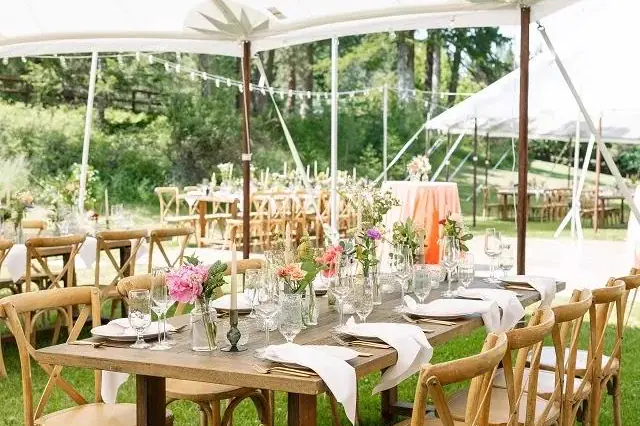
- Farm or dining table material
- Glassware
- Statement bar
- Lounge grouping
Once those choices are established, the remaining pieces can support them rather than competing for attention.
Think From Large Pieces to Small Details
A practical design sequence is:
Venue, Tent or Reception Space, Tables, Seating, Linens, Tabletop, Accent Rentals
This order keeps the visual plan connected to the physical structure of the wedding.
It also makes it easier to see where specialty rentals will have the most impact.
Plan for Montana Weather and Guest Comfort
Weather planning belongs in the rental conversation from the beginning, particularly when large portions of the wedding take place outdoors.
The objective is not to predict conditions months ahead. It is to create enough flexibility that the event can continue comfortably if conditions change.
Create the Contingency Plan Early
Couples should understand what covered options exist and how the event would adapt if outdoor conditions become less comfortable.
That may involve:
- Tent coverage
- Sidewalls where appropriate
- Alternate ceremony areas
- Covered transitions
- Heating or other climate considerations
The exact approach depends on the venue and season.
Consider More Than Rain
Weather planning should account for more than precipitation.
Wind, sun exposure, and temperature shifts can all affect guest comfort. An afternoon ceremony and evening reception may require different considerations even though they take place on the same property.
Think About Comfort Across the Entire Day
Rentals should support guests from arrival through the final portion of the reception.
Seating, shelter, lighting, temperature management, and circulation all contribute to comfort. None of these needs to dominate the design, but ignoring them can undermine an otherwise thoughtful event.
Make Delivery and Setup Part of the Rental Plan
Destination couples often focus heavily on what they are renting and less on how those pieces will reach the venue and be installed.
Delivery and setup should be considered while the plan is being built.
Confirm Venue Access
Important logistical questions include:
- When rental delivery is permitted
- Where trucks can unload
- How close vehicles can get to the event area
- When setup can begin
- Whether the venue restricts installation times
- When rentals must be removed
These details are especially important for private properties and outdoor sites.
Understand Who Is Responsible for What
Couples should clarify which responsibilities belong to the rental company, venue, planner, and other vendors.
That includes:
- Delivery
- Tent installation
- Furniture placement
- Breakdown
- Pickup
Clear responsibilities reduce the chance of discovering during wedding week that a task everyone assumed was included actually belongs to someone else.
Coordinate With the Planner and Venue
The rental timeline should fit into the larger setup schedule.
Florists may need tables placed before styling begins. Caterers need access to their service areas. Entertainment may need to set equipment before surrounding furniture is finalized.
The more vendors share the same property, the more useful a coordinated installation plan becomes.
Planning Destination Wedding Rentals From Out of State
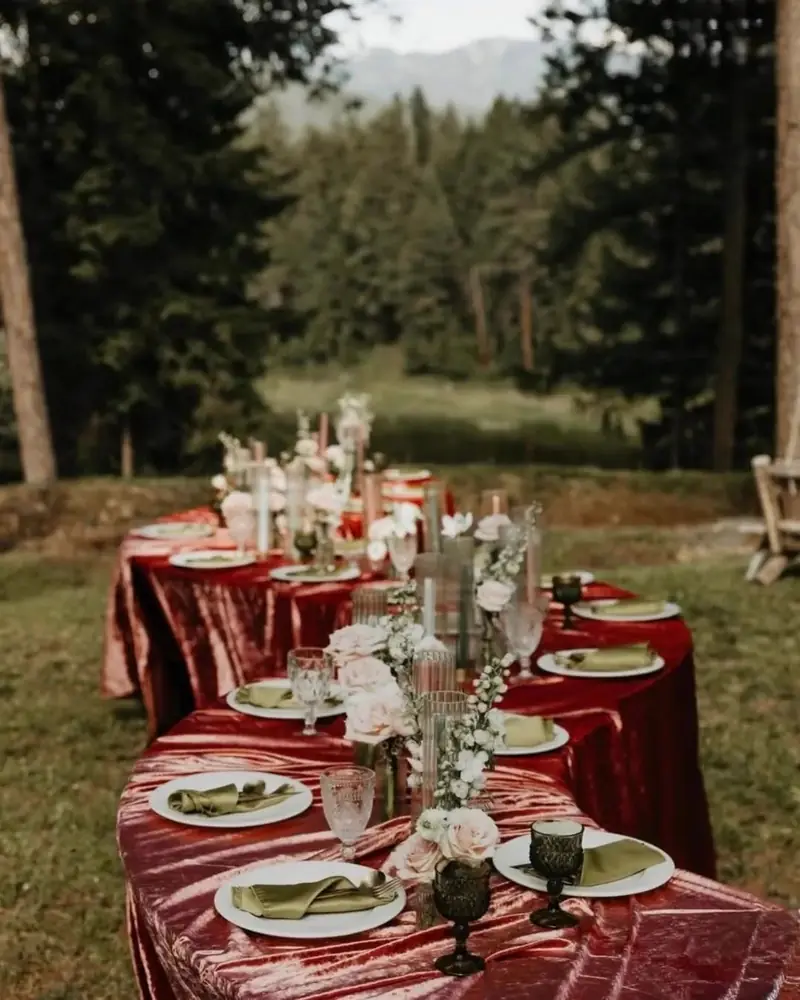
Distance does not prevent rental planning from moving forward, but couples need to provide enough information for meaningful decisions to be made remotely.
Gather the Information the Rental Team Needs
Before beginning the process, couples should ideally have:
- Wedding date
- Venue
- Approximate guest count
- Event format
- Known venue inclusions
- General design direction
Planner and venue contact information can also help when property-specific questions arise.
Begin With Categories, Not Final Selections
Remote planning is easier when couples first identify what the wedding needs rather than trying to finalize every item immediately.
Establishing categories such as tent, tables, seating, linens, tabletop, bars, and lighting creates a manageable framework. Individual selections can then be refined as the wedding design develops.
Use Remote Planning Tools to Keep Decisions Moving
Celebrate Event Rentals allows couples to browse rental options and begin the quote process remotely, which is useful for destination celebrations planned before repeated trips to the Flathead Valley are practical.
Remote planning does not require every choice to be made at once. It simply allows the foundational decisions to move forward while the remaining details continue to evolve.
Destination Wedding Rental Planning Checklist
Before the final order is confirmed, review the rental plan against the full wedding rather than checking each item independently.
Confirm:
- Venue inclusions
- Final guest count
- Weather plan
- Tent or reception structure
- Ceremony seating
- Reception tables and chairs
- Linens
- Dishware
- Glassware
- Flatware
- Bars
- Dance floor
- Lighting
- Climate equipment where needed
- Catering and service furniture
- Delivery access
- Setup schedule
- Breakdown and pickup schedule
- Venue contact
- Planner or day-of contact
The final quantities should also match the floor plan, catering requirements, and current guest list.
Build the Rental Plan Around the Wedding, Not the Catalog
Destination wedding rental planning becomes much easier when couples follow the order of the event rather than the order of a rental catalog.
Start with the venue and its infrastructure. Establish the guest count and floor plan. Secure the rentals that shape the physical event, then refine furniture, linens, tabletop, and accent pieces around that framework. Finish by confirming delivery, setup, and the practical details that allow the wedding to come together on site.
That progression gives couples room to make thoughtful design decisions without losing sight of how the celebration needs to function.
Celebrate Event Rentals has served the Flathead Valley, including Bigfork, since 2009, providing tents, furniture, linens, and tabletop pieces, and supporting wedding rentals throughout Northwest Montana. For couples planning a Montana destination wedding, the strongest rental plan begins with understanding the venue and building outward from what the celebration actually requires.
Frequently Asked Questions
How far in advance should couples book wedding rentals for a Flathead Valley destination wedding?
For destination weddings, tents, major furniture, and signature rentals are worth discussing early, particularly for high-demand dates. Smaller design details and final quantities can usually be refined later.
What happens if it rains or gets windy during an outdoor Montana wedding?
Couples build flexibility in rather than predicting conditions, using tent coverage, sidewalls, alternate ceremony areas, covered transitions, and heating as needed, while also accounting for wind and temperature shifts, not just rain.
Who handles delivery, setup, and breakdown of wedding rentals?
Responsibility should be clarified early among the rental company, venue, planner, and other vendors, covering delivery, tent installation, furniture placement, breakdown, and pickup, especially given access windows and removal deadlines at private or outdoor sites.
Can destination couples plan Montana wedding rentals without visiting the venue in person?
Yes. Sharing the wedding date, venue, guest count, event format, and design direction allows remote planning. Celebrate Event Rentals lets couples browse options and start a quote remotely before finalizing individual selections.
Which wedding rentals should be booked first for a Flathead Valley wedding?
Prioritize the tent or weather structure and general guest count first, then tables and seating to establish the layout. Signature or limited-inventory pieces should follow, while smaller design details can be finalized later.