Planning a Tented Wedding: What Couples Should Consider
 By Scott EastmanOwner, Celebrate Event Rentals
· 14 min read
By Scott EastmanOwner, Celebrate Event Rentals
· 14 min read
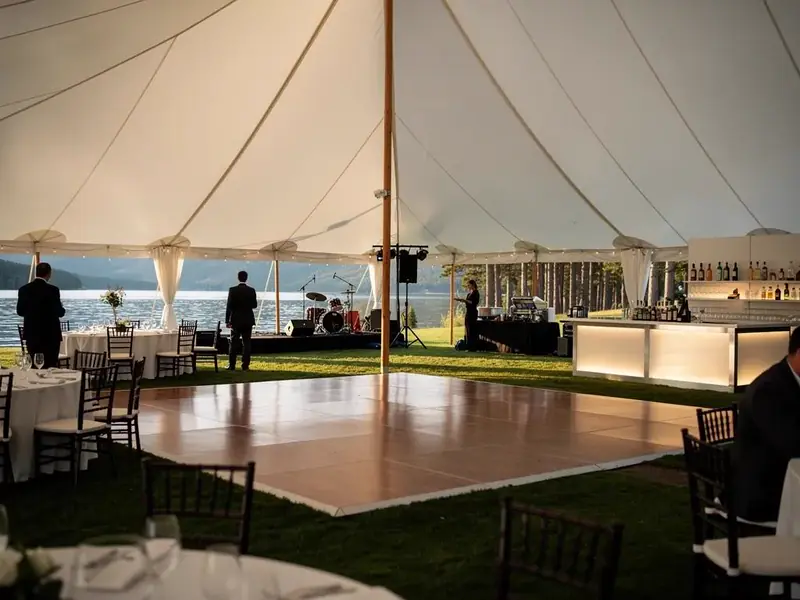
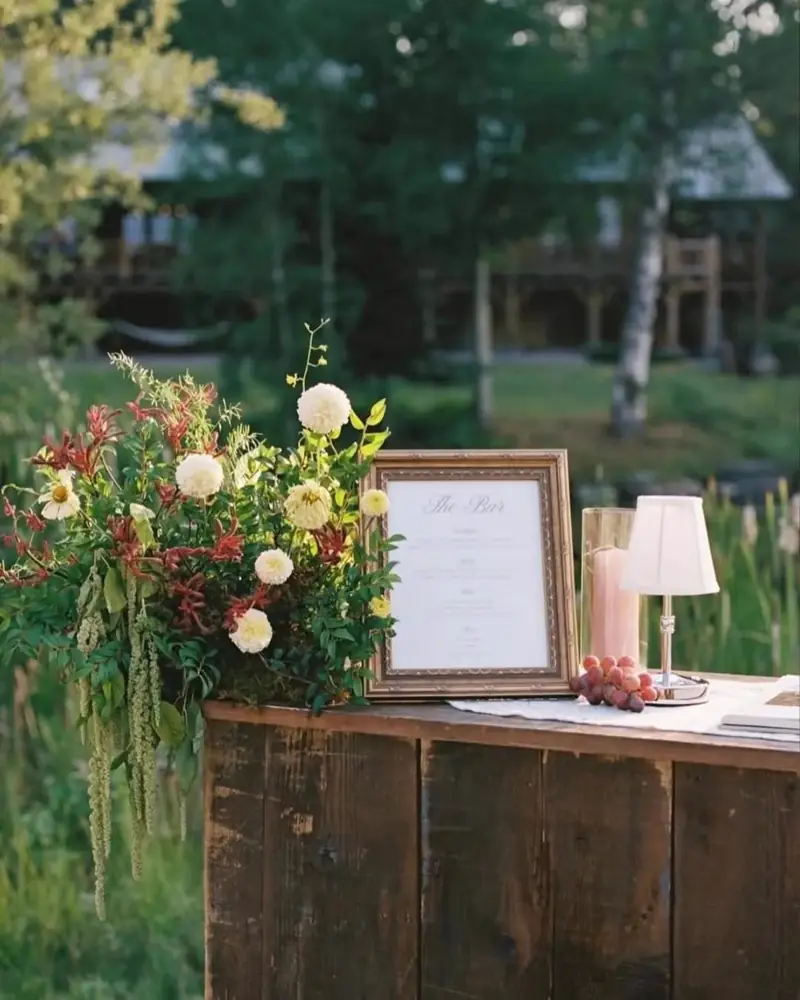
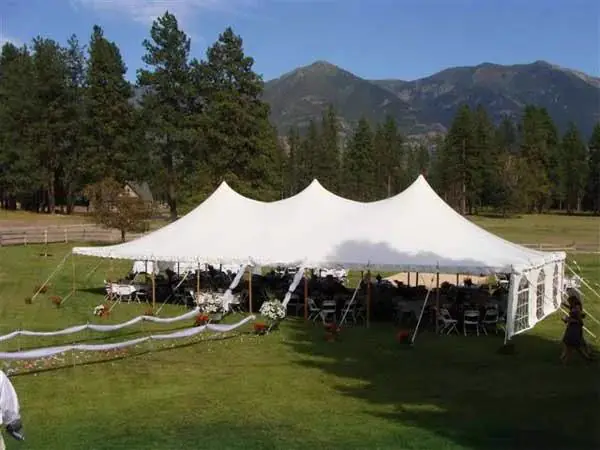
A tented wedding in Bigfork gives couples the freedom to build a celebration around the landscape rather than inside a conventional ballroom. Lakefront properties, private estates, open lawns, and venues throughout the Flathead Valley can become distinctive ceremony and reception settings when the infrastructure is planned carefully.
Choosing a wedding tent, however, involves considerably more than selecting a structure that looks good in photographs. The venue, expected guest count, reception layout, weather plan, entertainment, catering requirements, and delivery access all influence what type of setup will work.
For couples researching wedding tent rentals in Bigfork, the most useful starting point is therefore not the tent style itself. It is understanding what the tent needs to accomplish. Once the property, event format, and practical requirements are clear, couples can choose a structure that supports the celebration without competing with the Montana setting around it.
Start With the Venue Before Choosing a Wedding Tent
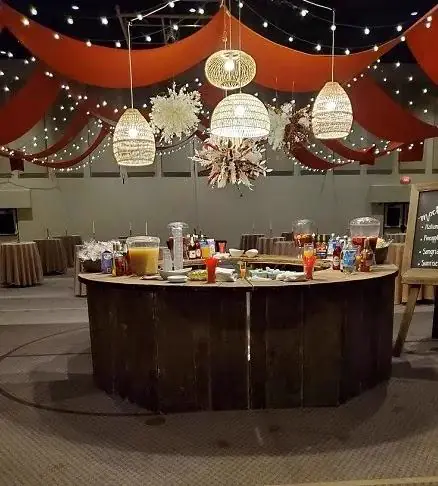
The venue establishes nearly every major parameter of a tented wedding. A private waterfront property may need a complete reception environment built from the ground up, while an established resort may already provide indoor facilities and use a tent only for one portion of the celebration.
Understanding what exists on the property prevents couples from planning the tent in isolation.
Understand What the Property Already Provides
Before discussing tent size or style, couples should confirm what infrastructure is already available at the venue.
That conversation should cover:
- Existing tables and chairs
- Indoor or covered backup areas
- Electrical access
- Catering and service areas
- Restroom facilities
- Approved setup locations
- Delivery and load-in access
- Venue rules that affect tent installation
- Required setup and breakdown windows
These details help determine whether the tent will function as the primary reception venue, a ceremony space, an extension of an existing building, or part of the weather contingency plan.
At a private property, for example, the tent may need to accommodate most of the wedding's infrastructure. At a resort, it may simply create an outdoor dinner or ceremony area alongside established indoor facilities.
Confirm Where the Tent Can Actually Be Installed
The most visually appealing area of a property is not automatically the best place for a tent.
Couples and planners need to consider the usable footprint, access for setup crews, surrounding landscaping, nearby buildings, and how guests will move between the tent and the rest of the venue. Catering teams and other vendors also need practical routes into and around the reception space.
This is why tent planning should happen with the actual site in mind rather than beginning with a generic capacity chart.
Think About the View From Inside the Tent
In Bigfork and throughout the Flathead Valley, the surrounding landscape is often one of the reasons the venue was chosen in the first place.
Tent placement should preserve that experience where possible. Consider what guests will see while seated at dinner, where the main entrances will face, and whether the layout allows important lake, mountain, or property views to remain visible.
A tent should define the reception space without making the celebration feel disconnected from its setting.
Decide What the Tent Needs to Accommodate
Guest count matters, but it does not tell the whole story.
A tent designed only around the number of people attending can quickly become crowded once tables, entertainment, bars, service areas, and a dance floor are introduced. The more useful question is not simply, "How many guests are attending?" but "What needs to happen beneath the tent?"
Dining Tables and Seating
The dining layout is usually one of the largest components of the tent footprint.
Round tables, long banquet tables, farm tables, and mixed configurations all use space differently. Chair style, table spacing, and the width of aisles can also affect how comfortably guests and service staff move through the reception.
The layout should support the style of dinner being planned as well. A plated meal, buffet, family-style dinner, or combination of service formats may create different circulation needs.
Couples do not need every seating assignment finalized before reserving a tent, but they should have a reasonable idea of the dining format they prefer.
Dance Floor, Entertainment, and Staging
The reception footprint changes again when entertainment is added.
A DJ generally requires less dedicated space than a full band, while live music may also require a stage, additional equipment, or a larger performance area. The dance floor needs enough room to feel inviting without dominating a reception where guests may also want to sit, talk, or move between other areas.
These decisions should be considered alongside the dining layout rather than added after the tent has already been sized.
Bars and Service Areas
Bars can become natural gathering points during cocktail hour and the reception, so their location affects guest movement.
Catering staff may also require service tables, staging areas, or clear routes between food preparation and dining spaces. These functional zones are less visible in inspiration photographs, but they are essential to making the reception work comfortably.
The best tent plan accounts for guests and vendors at the same time.
How Guest Count Influences Tent Planning
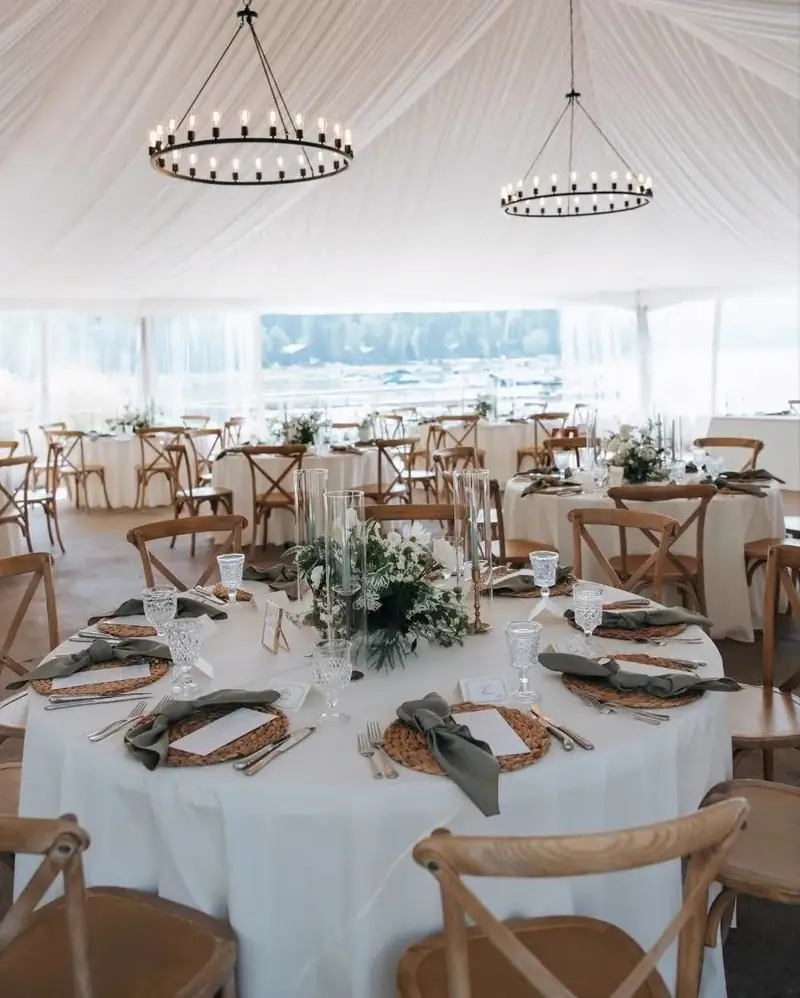
An approximate guest count is one of the first numbers a rental team will need, but it should be treated as a starting point rather than the entire sizing formula.
Two weddings with the same number of attendees can require very different tent footprints depending on how each reception is designed.
Start With a Working Guest Count
Couples do not need to wait for final RSVPs before beginning tent planning.
An estimated range gives the rental team enough information to discuss the likely scale of the structure while allowing the plan to evolve. As responses come in, table quantities and layout details can be refined without starting over.
Beginning early is especially important when a tent is central to the wedding rather than an optional addition.
Why Two 150-Guest Weddings May Need Different Tents
Consider two receptions with the same guest count:
| 150-Guest Reception A | 150-Guest Reception B |
|---|---|
| Dinner with a DJ | Dinner with a live band |
| One central bar | Two bar areas |
| Compact dance floor | Larger dance floor |
| Limited lounge seating | Lounge seating beneath the tent |
| Simple dining layout | Multiple reception zones |
Both weddings host 150 people, but the second requires considerably more usable space because the tent needs to accommodate additional functions. That is why couples should be cautious about choosing a tent from guest count alone.
Leave Room for Comfortable Circulation
A successful layout needs space between its major elements. Guests should be able to move comfortably from dining tables to the bar, dance floor, exits, and other areas without squeezing between chairs or crossing vendor work zones. Catering and event staff also need routes that allow them to work without interrupting the guest experience.
A tent should feel full enough to create atmosphere but not so tightly planned that every movement becomes difficult.
Choose a Tent Style That Fits the Wedding and Setting
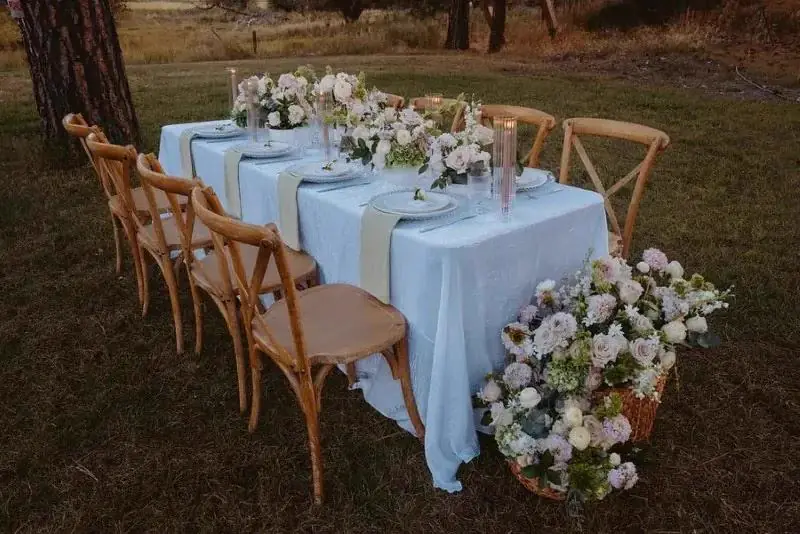
Once practical requirements are understood, style becomes part of the conversation.
The goal is not simply to choose the most dramatic tent available. The structure should support the wedding design, venue, time of day, and surrounding scenery.
Sailcloth Tents
Sailcloth tents are often chosen for their softer silhouette and translucent material. Their peaked form can create an airy reception environment during the day and a warm effect as lighting becomes more prominent in the evening.
For weddings where the tent itself is meant to contribute to the design, sailcloth can provide architectural character without requiring the reception to feel enclosed.
The exact advantages and styling possibilities of sailcloth deserve a deeper discussion of their own, but at this stage couples primarily need to decide whether that visual language works with the venue and overall wedding direction.
Clear-Top Structures
Clear-top tents create a different relationship with the setting by maintaining a stronger visual connection to the sky and surroundings.
They can suit celebrations where the landscape is intended to remain highly visible throughout the reception. The time of day, lighting plan, temperature, and venue conditions should all be considered when deciding whether this style works for the specific event.
Let Function Guide the Style Decision
Style should never be separated from function.
Before selecting a tent because of its appearance, couples should consider whether it supports:
- The expected guest count
- The planned floor layout
- The property
- The reception schedule
- Weather planning
- Entertainment and catering needs
A visually appealing structure that does not comfortably support the wedding will create more problems than it solves.
Plan for Montana Weather From the Beginning
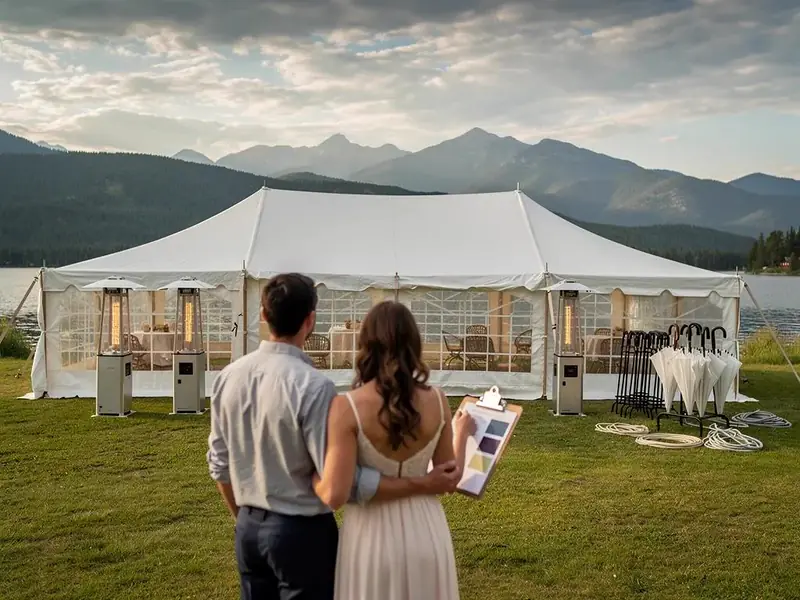
Outdoor weddings are one of the appeals of celebrating in Northwest Montana, but weather planning should be incorporated into the rental strategy from the beginning rather than addressed only when the forecast becomes available.
A tent creates an important layer of protection, but it should be viewed as one part of a broader contingency plan.
A Tent Is Part of the Weather Plan
Depending on the venue, season, and event schedule, couples may also need to consider sidewalls, heating, airflow, covered vendor areas, or other supporting equipment.
The right combination depends on the event. An afternoon ceremony followed by an evening reception may have different comfort requirements from a shorter daytime celebration.
The important point is to identify those needs while the tent plan is being developed.
Think Beyond Rain
Weather planning often focuses almost entirely on precipitation, but guest comfort can also be affected by temperature changes, wind, and sun exposure.
Conditions that feel comfortable during cocktail hour may change considerably later in the evening. Couples should therefore think about the full wedding timeline rather than only the expected weather at ceremony time.
Establish the Contingency Before Wedding Week
A weather plan becomes much more useful when everyone already understands how it works.
The couple, planner, venue, and rental team should know which areas are protected, which elements can be adjusted if needed, and how guests and vendors will use the property if conditions change.
The goal is not to predict the weather months in advance. It is to avoid having to redesign the wedding at the last minute.
Think Beyond the Tent Itself
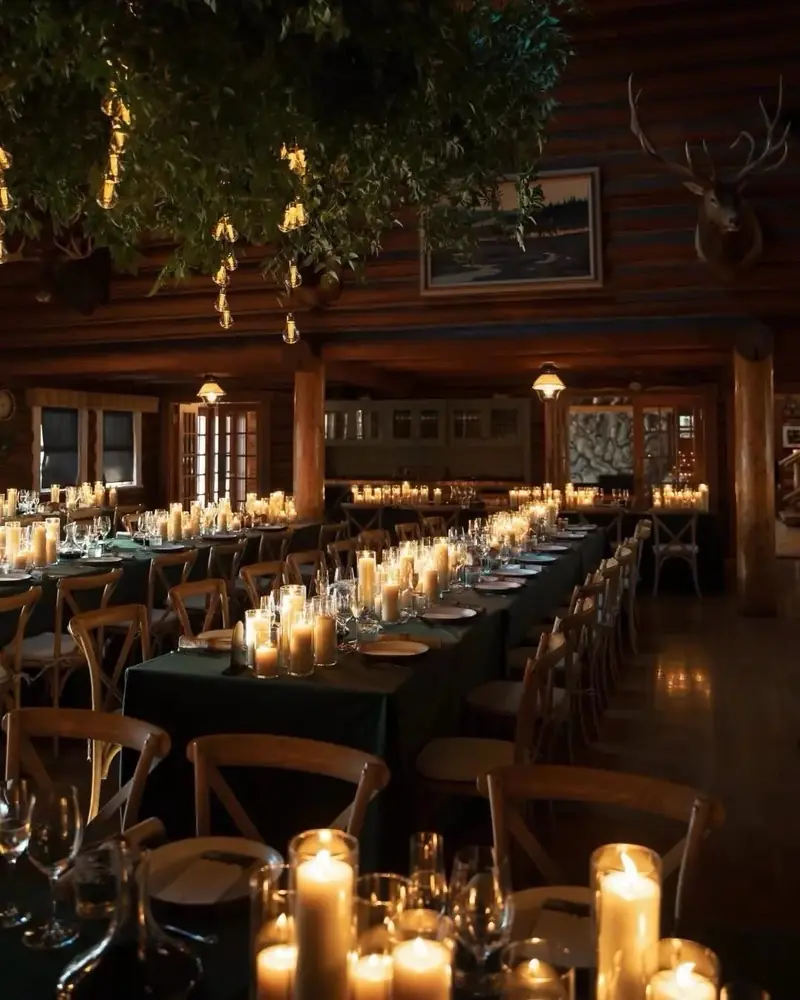
A tent provides the structure, but it does not create a complete reception on its own. The interior still needs to function as a dining space, gathering place, entertainment area, and service environment. Planning those elements together produces a more cohesive result.
Flooring and Dance Space
Not every tented wedding requires extensive flooring, but the dance floor and other surface needs should be identified early.
The venue's ground conditions, expected activities, and layout can influence what is appropriate. The dance floor should also feel connected to the entertainment and surrounding seating rather than positioned wherever unused space happens to remain.
Lighting
Lighting serves both practical and atmospheric purposes.
Guests need to move comfortably through the reception after sunset, while dining areas, bars, dance floors, entrances, and important circulation routes all require appropriate visibility.
Lighting decisions are easier when they follow the layout. Once the locations of the major reception elements are known, the lighting plan can support the way the space will actually be used.
Tables, Seating, Bars, and Tabletop
Every interior rental decision should relate back to the tent and floor plan.
A useful planning sequence is:
Tent, Floor Plan, Tables & Seating, Bar & Dance Floor, Lighting, Tabletop
Approaching the event in this order keeps decorative choices connected to the practical structure of the reception.
It also reduces the likelihood of choosing pieces independently and discovering later that they do not work comfortably together.
How the Bigfork Venue Changes the Tent Plan
No single tent configuration will suit every Bigfork wedding.
The amount of infrastructure required depends heavily on whether the celebration takes place beside the water, on private property, or at an established venue that already supports events.
Lakeside Settings
A lakeside reception often begins with the view.
Tent placement should therefore consider sightlines as well as practical access. Couples may want to preserve the visual connection to the water during dinner while still creating a defined space where guests feel comfortable gathering throughout the evening.
Guest movement between the ceremony, cocktail hour, and reception areas also matters, especially if those portions of the wedding take place in different parts of the property.
Private Estates and Open Properties
Private properties can offer flexibility, but that flexibility often comes with additional infrastructure needs.
Couples may need to think about:
- Power access
- Lighting
- Catering support
- Restrooms
- Bars
- Delivery routes
- Vendor work areas
- Weather contingencies
These considerations should be addressed before finalizing the tent because they influence how much space the reception requires and where different functions can realistically take place.
Resorts and Established Wedding Venues
At an established wedding venue, the tent may function differently.
Rather than creating an entire event environment from scratch, it might extend existing indoor space or provide a dedicated outdoor setting for one part of the celebration.
The rental plan should complement what the venue already offers instead of duplicating it.
When Should Couples Reserve a Wedding Tent?
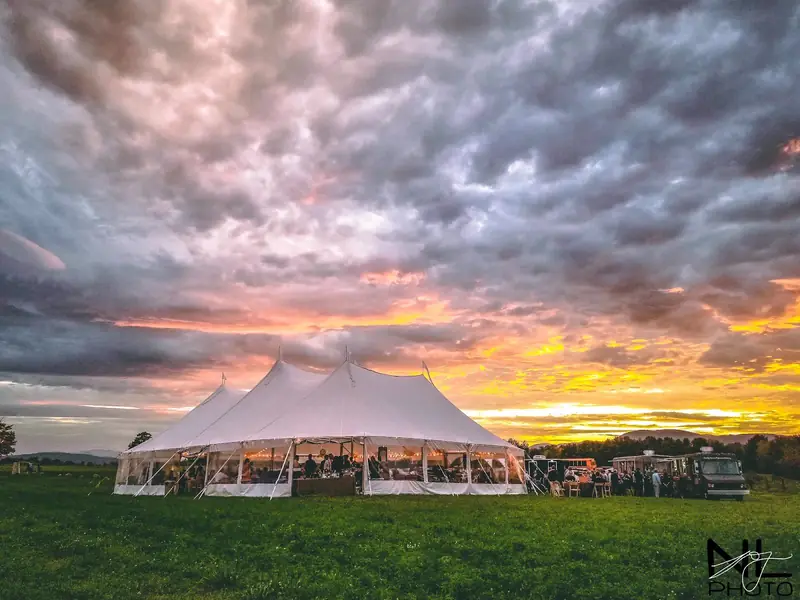
Couples do not need every wedding detail finalized before beginning the tent conversation.
Once the date, venue, and approximate guest count are known, there is usually enough information to start establishing the scale and structure of the rental plan.
Begin Once the Venue and Guest Range Are Known
An initial conversation should ideally include:
- Wedding date
- Venue
- Approximate guest count
- General reception format
- Major activities planned beneath the tent
- Any known venue requirements
This gives the rental team a practical starting point.
Reserve Important Rentals Before Finalizing Every Detail
The tent can be addressed before final linens, place settings, or smaller decorative decisions are complete.
If a particular structure is important to the wedding vision, beginning early also allows the rest of the design to develop around a known reception framework rather than an assumption about what may still be available later.
Refine the Plan as the Wedding Develops
The first tent plan should not be treated as frozen.
As RSVPs arrive and the planner confirms catering, entertainment, bars, and furniture, the layout can become more specific. The objective is to secure the foundation early while allowing the smaller details to evolve.
Questions to Ask Before Booking Wedding Tent Rentals in Bigfork
Before confirming a tent, couples should make sure the rental plan answers the practical questions that will shape the reception.
Ask:
- Is this tent appropriate for the available venue footprint?
- What guest count is being used to determine the size?
- What dining layout is planned?
- Will the dance floor, entertainment, and bars sit beneath the tent?
- What service or catering areas need to be accommodated?
- What access does the setup crew need?
- What weather-related accessories are available?
- What is included with delivery and installation?
- When will setup and breakdown take place?
- Does the venue have installation rules or access restrictions?
- Which supporting rentals can be coordinated with the same order?
- When should final quantities and layout changes be confirmed?
These questions help move the conversation beyond choosing a structure based solely on appearance.
Planning a Tent From Out of State
For destination couples, much of the tent planning can begin before they arrive in Bigfork.
The process is easier when the rental team has clear information about the venue and event from the beginning.
Share the Venue and Event Details Early
Couples planning remotely should provide the wedding date, venue, approximate guest count, basic event format, and any known property requirements.
A floor plan, venue information, or planner contact can also help establish what the tent needs to accommodate.
Use Remote Planning to Refine the Details
Celebrate Event Rentals allows couples to browse its rental collection and begin a quote remotely. Tent, furniture, and supporting rental decisions can then be refined as the guest list and wedding design take shape.
The goal is not to make every choice from a distance at once. It is to establish enough of the structure early that the remaining planning can progress with confidence.
A Final Tent Planning Checklist
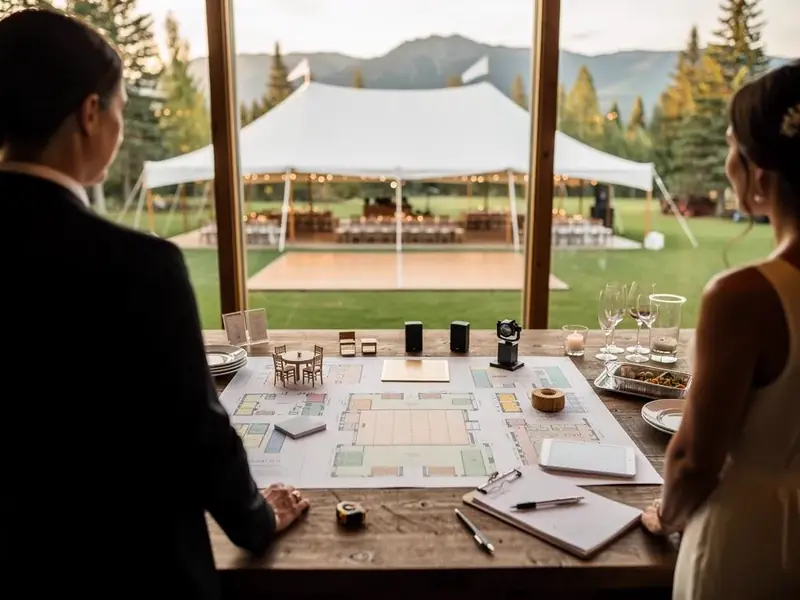
Before the wedding, review the complete tent plan rather than looking at the structure alone.
Confirm:
- Venue and tent location
- Final guest count
- Tent style
- Dining layout
- Table and chair quantities
- Dance floor
- Entertainment footprint
- Bar placement
- Catering and service areas
- Lighting
- Weather-related equipment
- Delivery access
- Setup schedule
- Breakdown and strike timing
- Venue contact information
- Planner or day-of contact
Every item should agree with the final floor plan and event schedule.
Build the Celebration Around the Setting
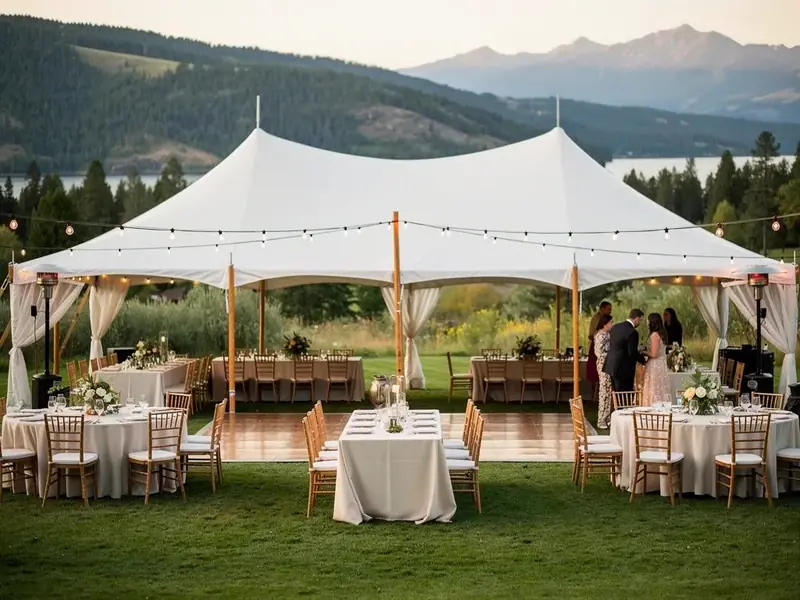
A successful tented wedding in Bigfork should feel like it belongs in its surroundings.
That begins with practical choices: understanding the venue, planning around the guest count, allowing enough space for the full reception, and establishing a weather strategy before it becomes urgent. Once those fundamentals are in place, tent-style lighting, tables, furniture, and tabletop details can shape the atmosphere without compromising how the event functions.
Celebrate Event Rentals has served the Flathead Valley, including Bigfork, since 2009, providing tents along with tables, seating, linens, bars, and other supporting rentals for weddings throughout Northwest Montana. Couples can begin by considering how the venue will be used, what needs to happen beneath the tent, and which rental decisions should be made early enough for the rest of the celebration to take shape around them.
Frequently Asked Questions
What size wedding tent do I need for my guest count in the Flathead Valley?
Guest count is only a starting point. Two 150-guest receptions can need very different footprints depending on entertainment, bar count, dance floor size, and lounge seating, so plan the tent around every activity, not headcount alone.
What is the difference between sailcloth and clear-top tents for a Montana wedding?
Sailcloth tents have a soft, peaked silhouette that feels airy by day and glows warmly at night, ideal for a luxury wedding tent rental. Clear-top tents keep a strong visual connection to the sky and surrounding landscape instead.
When should couples book wedding tent rentals in Bigfork?
Once the date, venue, and approximate guest count are known, there's enough information to start. Booking early lets linens, place settings, and other decorative choices develop around a confirmed reception framework rather than a guess.
How does weather planning work for an outdoor wedding setup in the Flathead Valley?
A tent is just one part of the plan. Depending on venue, season, and schedule, couples may also need sidewalls, heating, airflow, or covered vendor areas, plus a strategy for temperature, wind, and sun, not just rain.
Can couples plan a tented wedding in Bigfork from out of state?
Yes. Sharing the wedding date, venue, guest count, event format, and any known property requirements early gives the rental team a clear starting point. Celebrate Event Rentals lets couples browse its collection and start a quote remotely.