How Much Coffee for a 55 Cup Percolator

Working out how much coffee for 55 cup percolator service you need starts with one simple answer: a full 55-cup percolator or coffee urn takes about 4 cups of regular ground coffee for a mild pot or 6 cups for a strong one and makes a little over 2 gallons, or about 50 small cups. Your urn’s own markings and instructions should always guide the final amount, since models can differ. Once you know the batch size, you can plan brewing time, guest options, and a station that works smoothly.
Coffee service is easy to underestimate because guests may refill their cups, arrive in waves, or want something hot after dinner. Whether you are hosting a morning meeting in Kalispell, a lakeside wedding near Bigfork, or a winter gathering in a tent, a little planning helps you serve coffee while keeping the rest of the event moving.
Measure Coffee for the Flavor You Want

The starting amount gives you a reliable place to begin, but the coffee itself and the way you measure it can affect the finished brew. Use regular ground coffee suited to percolators, and check the equipment instructions before filling the basket; the goal is a balanced pot that tastes good throughout service, not simply the strongest coffee you can make.
Choose a Suitable Grind
A medium-coarse grind is generally a practical choice for a percolator because the grounds need to stay in the basket while water circulates through them. Very fine coffee can slip through the basket openings, leave sediment in the finished drink, or create a harsher flavor. If you are buying coffee specifically for an event, look for a grind described as suitable for percolators or use whole beans ground to that texture.
The coffee basket should also be clean and completely dry before you add fresh grounds. Residual coffee oils can affect the flavor of a new batch, particularly when you are brewing for guests who will be drinking throughout the morning. If you are unfamiliar with the urn, make a test batch before event day rather than experimenting while guests are arriving.
Adjust the Strength Without Guesswork
For a milder batch, begin at the lower end of the recommended amount; for a fuller flavor, move toward the upper end if the urn instructions allow it. Avoid adding a large extra scoop simply because you expect a crowd, since more grounds do not necessarily make better coffee and may lead to bitterness. A consistent measurement also makes it easier to repeat a batch if service runs longer than planned.
Think about the occasion when choosing the strength. Guests at a morning business meeting may drink several cups over a few hours, so a smooth, approachable brew is usually more useful than an unusually strong one. At a wedding, coffee may be served with dessert and enjoyed more slowly, which makes a balanced flavor a good fit for a wider range of guests.
Start Brewing Before Guests Need Coffee
A full urn takes about half an hour to brew, so build that time into your setup schedule instead of switching it on when the first guests ask for coffee. Read the instructions for your specific 55 cup coffee maker, prepare it on a stable surface near the planned outlet, and allow extra time for filling, assembling, brewing, and moving the urn into its serving position if needed.
When brewing finishes, remove the grounds basket according to the equipment instructions. Leaving wet grounds in place can make the coffee taste increasingly bitter, even when the urn is only holding it warm. Use the warming function as directed rather than continuing to run a brewing cycle, and keep the lid and serving area clean while guests help themselves.
For an event that lasts through several breaks or into the evening, plan to brew fresh coffee rather than expecting one batch to taste its best for the entire gathering. You can prepare another urn before the first one runs low, or brew in a separate area and transfer the coffee to insulated equipment. This is especially useful when the station is some distance from the kitchen or power source.
Match the Number of Urns to Your Coffee Drinkers
Your total guest count is only the starting point; the more useful estimate is how many people will actually drink coffee and whether they are likely to come back for another cup. A full urn generally serves about 50 guests who each have one small cup, or about 25 guests who each have two, so think about the schedule and the role coffee plays in the event before choosing equipment.
Plan Around the Event Schedule
Morning meetings, conferences, and breakfast gatherings usually create steady demand because coffee is available as guests arrive and throughout the program. At a wedding reception, by contrast, some guests may skip coffee while others have a small serving with dessert. Consider when coffee will be offered, how long the station will remain open, and whether guests will have an easy opportunity to refill during a break.
Use this simple planning guide as a starting point when deciding how many full urns to prepare. Adjust the setup to suit the type of gathering, the length of service, and the likelihood that guests will return for another serving.
| Expected Coffee Drinkers | Starting Setup |
|---|---|
| 25 | 1 full urn |
| 50 | 1 full urn |
| 75 | 2 full urns |
| 100 | 2 full urns |
| 150 | 3 full urns |
These are planning estimates, not a guarantee that every guest will have the same amount. If coffee is the main morning beverage, you may want additional capacity or a way to prepare another batch; if it is offered briefly after dinner, you may not need to brew for every person attending. Smaller cups can also help guests take a comfortable serving without filling a large mug.
Build in a Refill Plan
For a long program, decide who will keep an eye on the station and when the next batch should be ready. It is easier to start brewing before the urn is empty than to leave guests waiting while a new batch runs. If the event has scheduled breaks, use those moments to check the remaining coffee, tidy the cups and condiments, and prepare the next service period.
You can also use more than one type of serving equipment to make the setup flexible. A second urn can keep another batch available, while insulated coffee dispensers or airpots can hold brewed coffee near a meeting room or dessert table. Carafes work well for smaller service areas where a large urn would take up too much space, provided they are suitable for hot beverages.
Offer Regular Coffee, Decaf, and Hot Water
A thoughtful coffee station gives guests a choice without making service complicated. Regular coffee is the usual starting point, but decaf and hot water are welcome additions at weddings, morning meetings, and gatherings where people may want tea. Keep each option separate and clearly identified.
For weddings, consider how coffee fits into the reception timeline. Some couples prefer to bring it out with dessert, while others make it available near the end of dinner so guests can serve themselves. A separate airpot or insulated dispenser can keep decaf available without taking up the space needed for the main urn, and a labeled hot-water carafe gives tea drinkers an option as well.
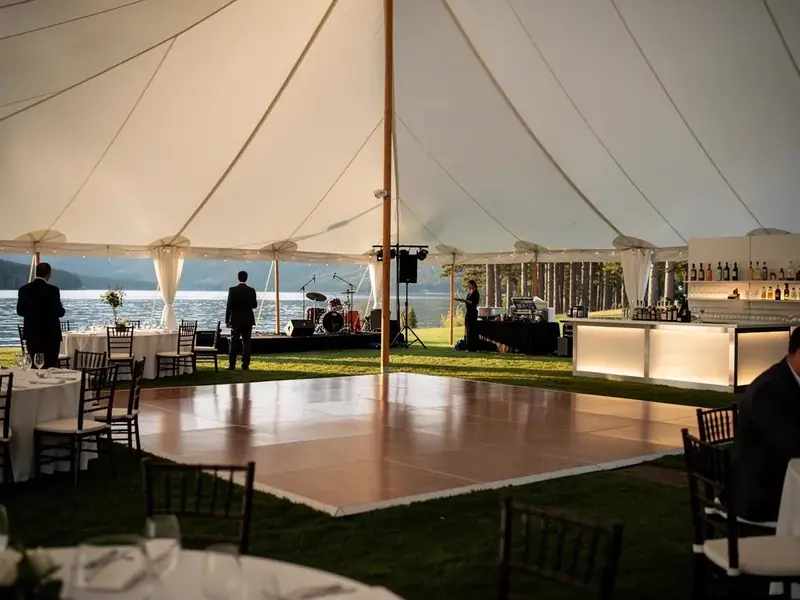
In Northwest Montana, hot drinks can be especially welcome at outdoor events when temperatures dip after sunset or a fall morning begins chilly. For a tented reception, ranch gathering, or lakeside celebration, keep the serving area protected from wind and moisture, and use insulated equipment when brewed coffee needs to travel from the preparation area. Plan the beverage choices around the event rather than assuming every guest wants the same drink.
Set up a Coffee Station That Guests Can Use Easily
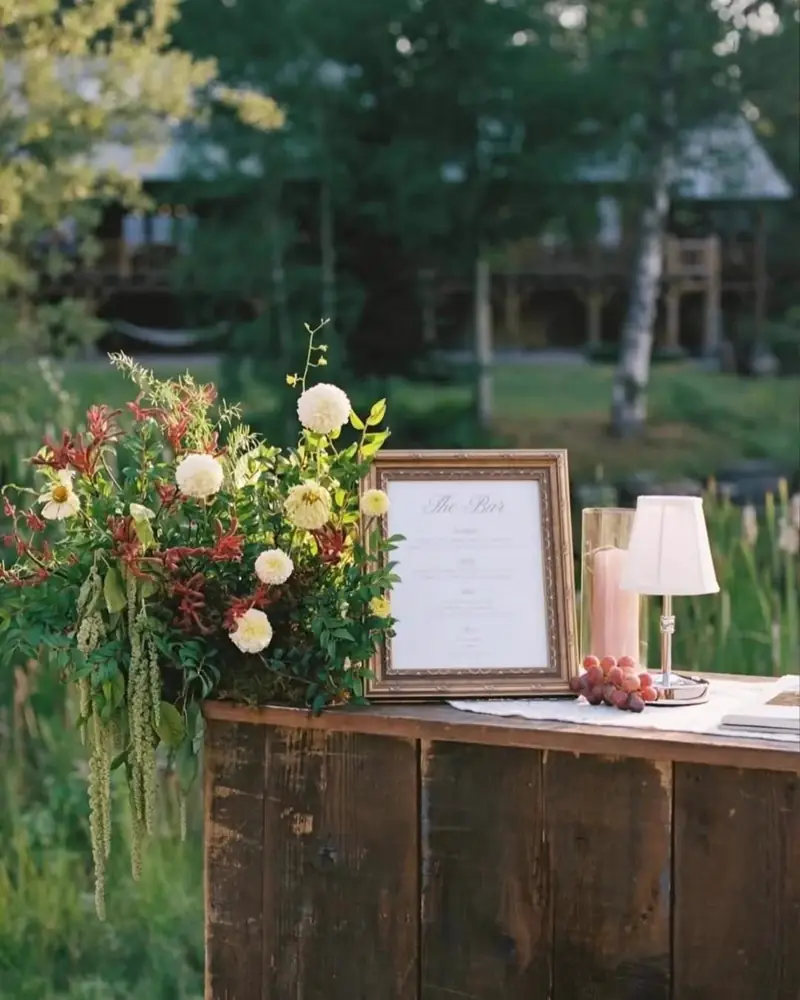
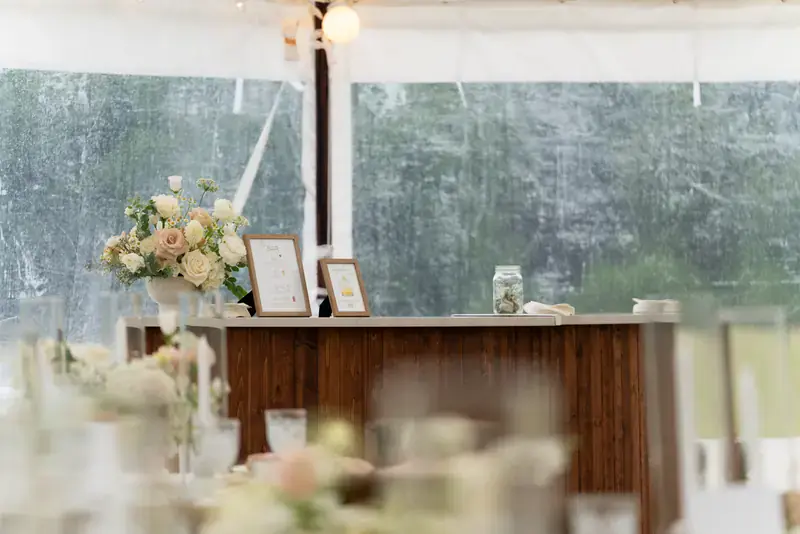
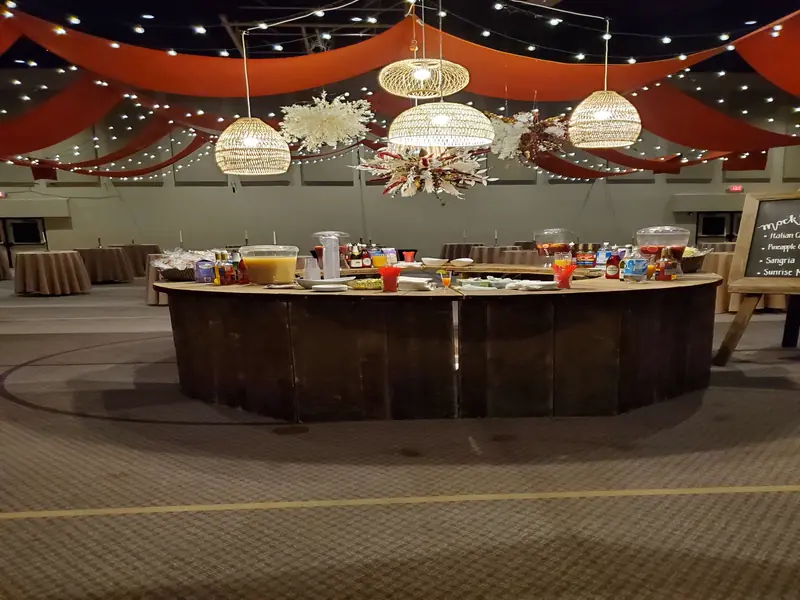
A good station is convenient without becoming a bottleneck. Choose a visible location away from the buffet line and main traffic route, with enough table space for the urn, cups, condiments, and guests to set down a drink. Think about how people will approach the station and where they will go afterward.
Arrange the Serving Area
Set out the items guests need in the order they are likely to use them, with cups first and cream, sugar, and stirrers within easy reach. A small sign identifying regular, decaf, and hot water prevents mix-ups, particularly when several containers look alike. Keep napkins close by and provide a sensible place for used cups, but leave enough open space that guests are not reaching across hot equipment.
For a coordinated event setup, choose coffee cups and creamer and sugar sets that suit the style and scale of the gathering. Celebrate Event Rentals offers coffee service equipment such as 55-cup and 60-cup coffee urns, airpots, and carafes, along with cups and condiment sets. You can browse the event rental catalog when planning the rest of the service area.
Check Power and Placement
Electric urns need a suitable power supply, and several large appliances should not automatically be plugged into the same outlet or circuit. Check each unit’s electrical requirements and the venue’s available power before setup; where possible, give each urn its own outlet or circuit. If you are unsure whether the available supply can support the equipment, confirm the plan with the venue or a qualified electrician rather than relying on extension cords or adapters.
Keep cords out of walkways and away from damp ground, especially at outdoor venues where weather and foot traffic can change during the event. The urn should sit on a level, sturdy table with enough clearance for safe serving, and the outlet should be accessible without placing cables where guests may trip. If power is limited at the serving location, brew in a suitable area first and use insulated dispensers or airpots to bring coffee to the station.
For a business gathering, consider how the coffee setup works alongside registration, seating, and meal service. Celebrate Event Rentals also supports corporate events.
Frequently Asked Questions
Can I Use a 55-Cup Urn for Hot Water or Tea?
Many hosts set up a separate urn, airpot or carafe for hot water so tea does not pick up a coffee flavor. If you plan to heat water in an urn that has brewed coffee before, clean it thoroughly first and check the model’s instructions for heating water without the grounds basket in place.
Should I Rinse the Coffee Urn Before Brewing?
Clean the urn and its removable parts before use, following the care instructions for that model. Rinse away any cleaning residue and make sure the basket and stem are properly seated, since leftover oils or soap can affect flavor and an incorrectly assembled basket can interfere with brewing.
Can I Prepare Coffee the Night Before?
It is better to brew close to the time you plan to serve it, especially when flavor matters. You can make the station ready in advance by setting out clean cups, labels, and condiments, but wait to brew until the event schedule allows the coffee to be served fresh.
What Should I Do With Leftover Coffee?
Handle leftover coffee according to your venue’s food-safety procedures and the equipment guidance, rather than leaving it sitting out indefinitely. Empty and clean the urn after service, and avoid pouring fresh coffee into an old batch because the mixed coffee may have a stale flavor.
Make Coffee Service Easier With Celebrate Event Rentals
Coffee is a small part of the event plan, but having the right equipment and a sensible serving layout can make the experience more comfortable for your guests. Celebrate Event Rentals can help you choose from coffee urns, airpots, carafes, cups, and creamer and sugar sets, while keeping the beverage station in step with the rest of your rentals.
Locally owned in Bigfork and serving the Flathead Valley and Northwest Montana since 2009, Celebrate Event Rentals coordinates delivery, setup, styling, and takedown with its own crew. Whether you are planning a morning meeting in Kalispell, a Whitefish wedding, or an outdoor gathering near the lake, the team can help you prepare a practical setup. Call (406) 980-8758 or contact the team to discuss your event rental needs.