How Many Glasses Per Guest Wedding Planning

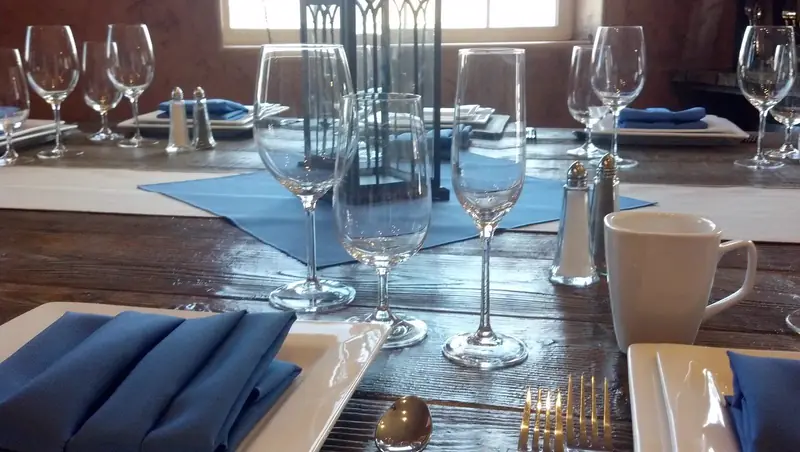
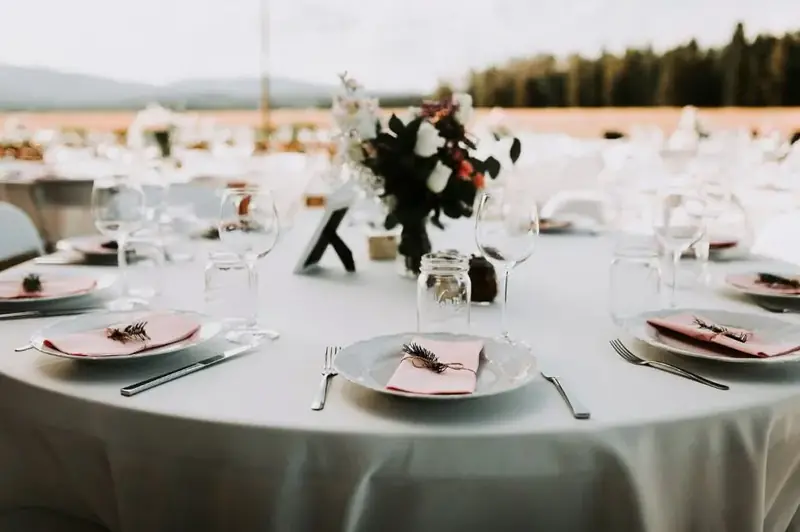
Planning wedding glassware sounds simple until the guest count, reception length, cocktail hour, dinner service, and beverage menu all come together. A useful starting point is one glass per guest for every hour of beverage service. That means a three-hour reception for 100 guests may involve roughly 300 drink servings. The final glassware order, however, depends on much more than basic multiplication. A full bar requires different glasses for wine, cocktails, water, beer, and possibly champagne, while a limited wine-and-beer menu may need fewer styles. Service also matters because glasses that are collected and washed can return to circulation, while an event without continuous washing requires a larger inventory. Celebrate Event Rentals provides glassware along with tables, seating, hand-inspected linens, dishware, flatware, bars, tents, and other event rentals throughout the Flathead Valley. Calculating glassware early helps couples avoid shortages and keeps beverage service running smoothly from the first toast through the end of the celebration.
Start With Guest Count and Reception Length
The basic glassware calculation begins with two numbers: how many people are attending and how long drinks will be served.
Using both gives a more realistic estimate than ordering one glass for each person.
Use the One Glass Per Guest Per Hour Formula
A useful planning formula is:
Number of guests × hours of beverage service = estimated drink servings.
For example, a reception with 100 guests and three hours of beverage service creates a baseline of approximately 300 drink servings.
This does not necessarily mean ordering 300 identical glasses. The total needs to be divided among the types of beverages being served.
A wedding with wine, cocktails, water, and champagne requires several different glass styles, while a simpler beverage menu may use fewer.
The formula provides the starting point before the bar menu and service plan are applied.
Count the Entire Beverage Service Window
Do not calculate only the formal reception.
If drinks begin during cocktail hour, that period should be included in the total.
A wedding may include:
- One hour of cocktails
- Three hours of dinner and reception service
- One additional hour of dancing and late-night drinks
In that example, beverage service lasts five hours, even if the formal dinner occupies only part of the evening.
Longer service naturally creates more turnover and increases the likelihood that guests will change glasses during the event.
Add a Reasonable Buffer
Ordering exactly the calculated minimum leaves little flexibility.
Glasses can be misplaced, left on cocktail tables, collected by staff, or temporarily unavailable while being cleaned.
Adding extra inventory creates a buffer for those normal event conditions.
It is generally better to round the final quantity upward rather than planning so tightly that the bar runs short during the busiest part of the evening.
Match the Glassware Count to the Beverage Menu
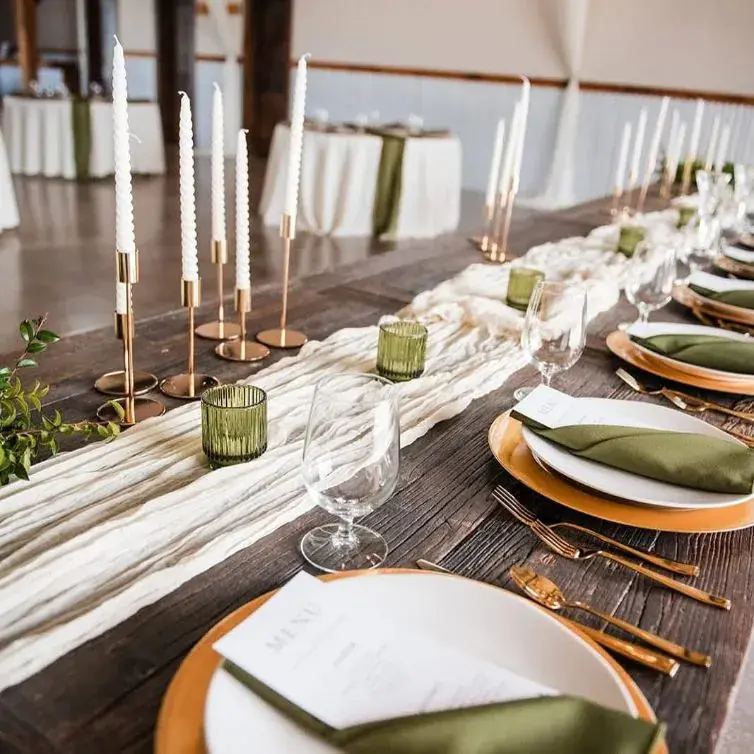
The drinks being served have a major effect on the final quantity.
A wedding serving water and wine requires a different rental order from a reception with cocktails, champagne, beer, and several wine options.
Plan Multiple Glass Types for a Full Bar
A full bar usually requires at least three glasses per guest as a practical baseline because guests may move between several beverage types.
The exact styles depend on the menu.
Common wedding glassware can include water glasses, wine glasses, champagne glasses, rocks glasses, and highball glasses.
A guest might begin the evening with a cocktail, drink wine with dinner, and switch to another drink later.
Using one glass type for everything may not support the intended service style.
Before confirming the rental quantity, finalize the drinks menu with the caterer or bar team.
Simplify the Count for Wine and Beer Service
A limited beverage menu can make glassware planning easier.
When the bar serves primarily wine and beer, the order can be divided around the expected drinking preferences of the group.
One useful starting assumption is approximately 60 percent wine and 40 percent beer, but that ratio can be adjusted based on the guests.
The couple may already know whether their group strongly prefers wine, beer, cocktails, or nonalcoholic drinks.
Personal knowledge of the guest list can make the glassware estimate more accurate than relying on a generic formula alone.
Include Water and Toast Glassware Separately
Water service should not be forgotten simply because the bar is the main focus.
If every place setting includes a water glass, that quantity should be planned separately from the beverage glasses used at the bar.
The same applies to champagne or another toast beverage.
For example, 150 guests may require 150 water glasses plus additional wine, cocktail, or champagne glasses.
Treating each part of the beverage program as its own category makes the final count easier to understand and reduces the chance of overlooking an important glass style.
Adjust the Order for Service and Bussing
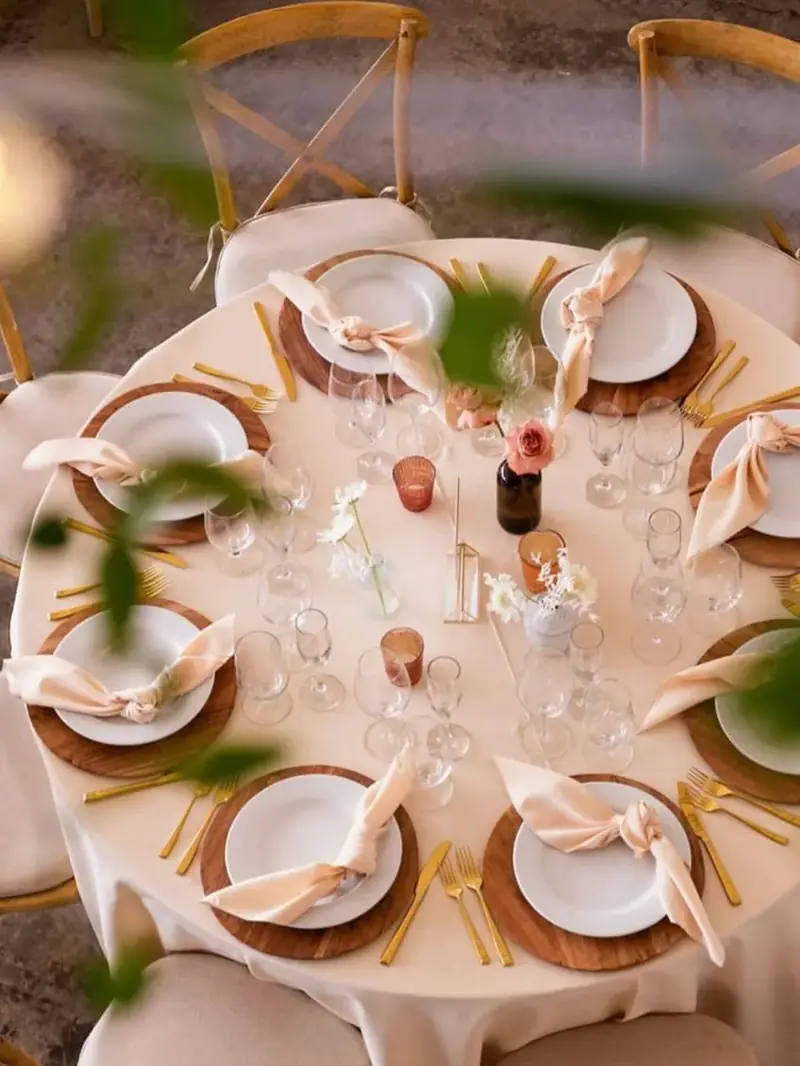
Glassware turnover can change the quantity a wedding needs.
An event with staff continuously collecting, washing, and returning glasses can operate with fewer pieces than a reception where used glassware remains on tables for most of the evening.
Account for How Quickly Glasses Return to Service
Every used glass becomes temporarily unavailable once it is collected.
If there is no immediate washing and restocking system, the event needs enough additional inventory to cover that delay.
Cocktail-style receptions can create particularly rapid turnover because guests may set down one drink and pick up another while moving around the room.
For events where used glassware will remain out of circulation for longer periods, a larger inventory provides additional protection against shortages.
Add More Glassware for Busy Cocktail Service
Cocktail hour may create some of the fastest glassware turnover of the event.
Guests arrive around the same time, drinks are served quickly, and glasses are often left on high-top tables or passed to servers when the group moves into dinner.
For events with significant bussing delays, a larger buffer may be needed beyond the initial calculation.
A base estimate of 300 glasses, for example, could increase when the event includes fast cocktail service, limited washing, or multiple beverage styles.
The final quantity should reflect how quickly glasses will actually return to circulation.
Coordinate Glassware With Staffing
Glass quantities and staffing should be discussed together.
A well-staffed event may be able to collect and rotate glassware more efficiently.
A reception with limited service staff may need additional inventory because used glasses remain unavailable for longer.
Before confirming the order, review who will collect used glassware, whether washing or restocking will happen during the event, how frequently tables and bars will be cleared, and whether different glass styles will be reused.
This coordination can prevent both unnecessary over-ordering and inconvenient shortages.
Plan Glassware Around the Wedding Format
There is no single number that works for every wedding.
A plated dinner, cocktail-style celebration, destination wedding, and holiday reception can all require different quantities even when the guest count is the same.
Plated Receptions Need a Structured Place Setting
A plated dinner often begins with certain glasses already positioned at every seat.
Guests may have a water glass and one or more wine glasses before beverage service at the bar is considered.
Those table glasses should be included in the overall inventory.
For a formal dinner, the place setting might include a water glass, wine glass, and an additional wine or champagne glass when required.
Bar glassware would then be calculated separately based on the cocktail menu and reception length.
Planning tabletop and bar inventory as separate categories makes the total easier to manage.
Cocktail Receptions Usually Need More Turnover
Cocktail-style weddings create different glassware behavior.
Guests are moving more frequently, drinks may be served at several points, and glasses are more likely to be set down before they are empty.
That can increase the number of glasses moving through service during each hour.
Cocktail receptions may therefore benefit from a larger buffer than a seated dinner where guests keep the same water and wine glasses for longer periods.
Destination Weddings Require Earlier Coordination
For destination weddings in the Flathead Valley, glassware should be planned before the couple arrives whenever possible.
Remote planning is easier when the guest count, event length, beverage menu, and place setting have already been established.
Celebrate Event Rentals serves events throughout the Flathead Valley, including Bigfork, Kalispell, Whitefish, Columbia Falls, West Glacier, Lakeside, and Polson.
Coordinating glassware with other rentals such as tables, linens, flatware, dishware, and bars can simplify delivery and setup for couples planning from outside Montana.
Avoid Common Wedding Glassware Planning Mistakes
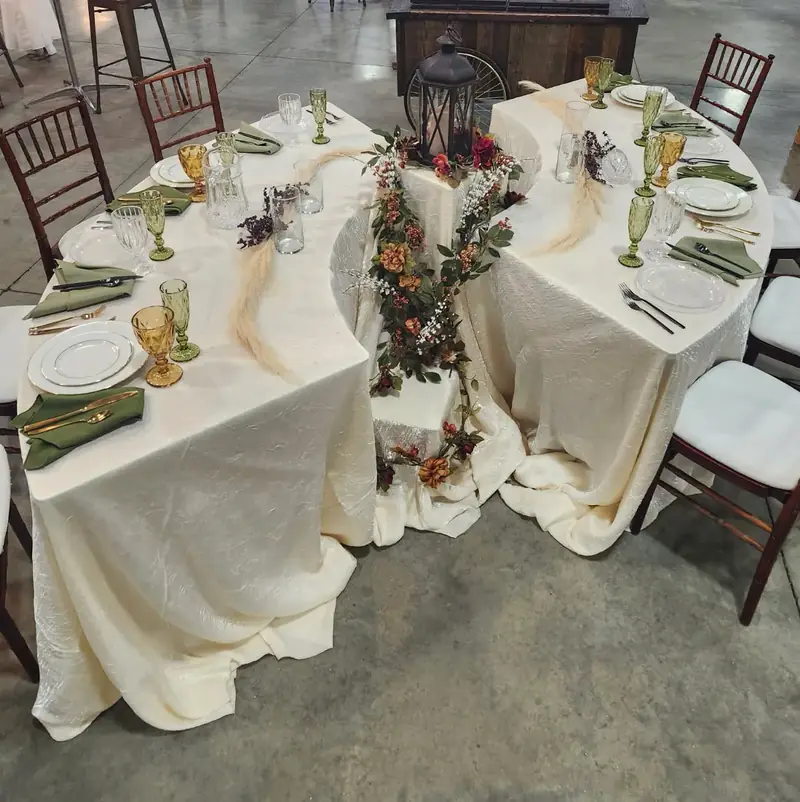
Glassware shortages usually come from underestimating how guests actually use glasses during a reception.
Avoiding a few common planning mistakes can make the final rental order much more reliable.
Do Not Order Only One Glass Per Guest
One glass per person is rarely enough for a full wedding reception.
Even if every guest drinks only one beverage type, glasses can become unavailable because they are left on tables, collected for washing, or accidentally taken to another part of the venue.
For a full bar, planning for at least three glasses per guest creates a more realistic starting point.
That number can then be adjusted according to service duration, beverage choices, and restocking.
Do Not Ignore Reception Length
A three-hour reception and a six-hour celebration should not use the same glassware calculation.
Every additional hour increases drink service and glass turnover.
Calculate from the beginning of beverage service until the bar closes rather than relying only on the formal reception timeline.
This is especially important when the wedding includes cocktail hour before dinner or late-night drinks after dancing begins.
Do Not Finalize the Order Before the Bar Menu
The beverage menu should be decided before the final glassware quantity.
Otherwise, couples may order too many glasses of one type while missing another style entirely.
Before the rental order is finalized, confirm the guest count, beverage menu, reception duration, service style, and staffing plan.
Then review the complete glassware order together.
This approach provides a more accurate count and helps the bar operate consistently throughout the celebration.
Frequently Asked Questions
How many glasses per guest should I plan for a wedding?
A useful starting point is one glass per guest for every hour of beverage service. For a full bar, planning for at least three glasses per guest can also provide a practical baseline because several glass styles may be required.
How many glasses are needed for 100 wedding guests?
For a three-hour reception, the one-glass-per-guest-per-hour formula produces approximately 300 drink servings. The final glassware quantity should then be divided among water, wine, cocktail, beer, or champagne glasses according to the beverage menu.
Does cocktail hour count when calculating wedding glassware?
Yes. Count the entire period during which beverages will be served, including cocktail hour, dinner, reception service, and any later bar service.
Do I need separate water glasses for every wedding guest?
If water glasses are part of the place setting, plan one for every guest in addition to the glassware required for wine, cocktails, champagne, or other beverages.
Should I order extra glasses for breakage and bussing?
Yes. A buffer can help account for glasses that are collected, misplaced, temporarily unavailable, or broken. The size of the buffer should reflect the staffing and restocking plan.
Can renting glassware simplify wedding planning?
Yes. Renting allows couples to coordinate matching glassware quantities without purchasing, storing, transporting, and managing a large personal collection after the event.
Build a Glassware Plan That Keeps Every Toast Running Smoothly
The answer to how many glasses per guest a wedding needs depends on more than the number of invitations. Start with the guest count and total hours of beverage service, then adjust the calculation around the bar menu, glass styles, table settings, bussing, staffing, and the amount of turnover expected throughout the event.
A simple formula of one glass per guest per hour provides a useful starting point, while a full bar may require at least three glasses per guest across different glass types. Building in a reasonable reserve can help prevent shortages when used glasses are waiting to be cleared or returned to service.
Celebrate Event Rentals can help coordinate glassware with dishware, flatware, hand-inspected linens, tables, seating, bars, tents, and other event rentals throughout the Flathead Valley. Contact Celebrate Event Rentals with your guest count, reception length, and beverage plan to build a glassware rental order designed around the way your celebration will actually be served.