How to Keep Guests Warm at an Outdoor Party
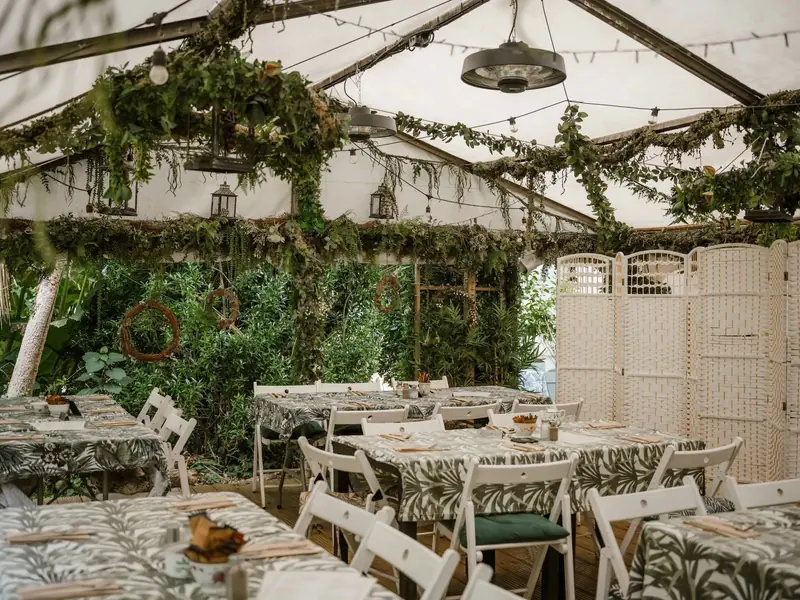
Outdoor celebrations can be memorable in cooler weather, but guest comfort needs to be planned from the beginning. A beautiful tent, scenic Montana setting, or carefully designed tablescape cannot make up for an event space that becomes uncomfortable after the temperature drops. Learning how to keep guests warm at an outdoor party means looking beyond individual heaters and planning the entire environment around shelter, airflow, seating, guest movement, and the event schedule. The right tent can reduce wind exposure, heating equipment can create comfortable gathering areas, and thoughtful furniture placement can encourage guests to remain inside warmer zones instead of drifting toward exposed areas. Small hospitality details such as warm beverages can add to the experience, but they should support a complete heating strategy rather than replace one. Celebrate Event Rentals provides tents, heating, seating, lounge furniture, tables, linens, bars, dance floors, lighting, delivery, setup, and takedown throughout the Flathead Valley, allowing cold weather event details to be coordinated as part of one overall rental plan.
Start With Shelter Before Adding Heating
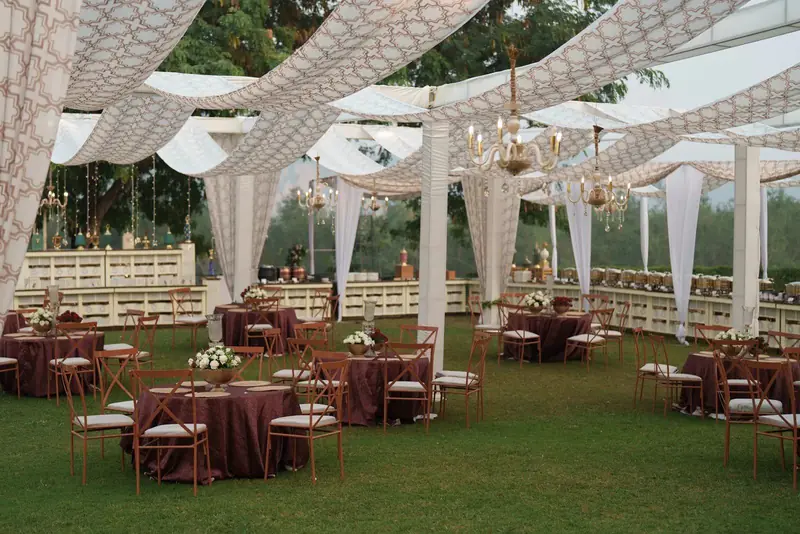
Heating works best when the event space is designed to retain warmth.
An open lawn may require significantly more effort to keep comfortable than a tented area protected from wind. That is why shelter should be one of the first decisions in a cold weather event plan.
Choose a Tent That Fits the Guest Count
The tent should be large enough for dining, seating, entertainment, bars, and circulation without creating unnecessary unused space.
An oversized tent may require more heating because there is a greater volume of air to warm. A structure that is too small can create uncomfortable crowding and limit safe equipment placement.
Start with the number of guests and then account for every major activity planned inside the structure.
The complete layout may need room for:
- Dining tables and guest seating
- Lounge furniture and conversation areas
- Bars, dance floors, and entertainment
- Catering or service areas
- Clear pathways between activity zones
Celebrate Event Rentals offers sailcloth, Tidewater, and frame tent options that can support different event sizes and property layouts.
Use Sidewalls to Reduce Cold Air
A roof provides protection from precipitation, but open tent sides can still allow cold air to move freely through the event.
Sidewalls can help reduce direct wind exposure and create a more controlled interior environment.
The amount of enclosure needed depends on the property, weather conditions, and event style.
Some events may benefit from enclosing the most exposed sides while preserving views in other directions.
The heating plan should be developed around the final wall configuration because a completely open structure behaves very differently from a more enclosed tent.
Consider the Event Location
The same tent may require a different comfort strategy depending on where it is installed.
A protected property surrounded by buildings or trees may experience less direct wind than an exposed lawn near open water.
Properties throughout Bigfork, Kalispell, Whitefish, Columbia Falls, West Glacier, Lakeside, Polson, and the Flathead Lake area can have different site conditions.
Think about where wind enters the property, which direction guests will arrive from, and whether the tent is positioned in an exposed area.
A site specific plan is more useful than applying the same heater arrangement to every event.
Build a Heating Plan Around the Event Schedule
Temperature changes throughout the day.
An outdoor gathering that begins during a comfortable afternoon can feel very different after sunset, particularly during spring, fall, or winter.
Heating should therefore be planned around the entire event instead of the temperature at the starting time.
Consider When Temperatures Will Drop
Look at the event schedule from arrival through departure.
If guests arrive at 4 p.m. but remain until 10 p.m., the heating plan needs to support the later evening conditions.
This becomes especially important for weddings and larger celebrations where dinner, speeches, entertainment, and dancing continue for several hours.
The coldest portion of the event often occurs after guests have already settled into their seats.
Waiting until that point to respond to discomfort is too late.
Heating equipment should already be positioned and ready before temperatures begin falling.
Heat the Areas Guests Use Most
Not every part of an outdoor event needs identical heating coverage.
Focus on places where guests remain for longer periods.
Dining tables, lounge areas, bars, waiting areas, and the spaces around entertainment are usually more important than walkways people cross quickly.
Heating priorities might include:
- Dining and seated conversation areas
- Lounge furniture groupings
- Bars and cocktail gathering areas
- Dance floors and entertainment spaces
- Entrances where guests may wait or gather
A layout that concentrates warmth around occupied areas can feel more comfortable than one that simply distributes heaters around the outer edge of the venue.
Include Entrances and Transition Areas
Guests may move between several spaces during an event.
A ceremony may take place outside before guests walk to a tented cocktail hour. Dinner may be held under one structure while the bar or lounge area occupies another.
Each transition exposes guests to colder air.
Review the event from the guest's perspective.
Think about arrival, waiting, seating, dining, entertainment, and departure.
If guests regularly pause in an exposed transition area, that location may need additional shelter or heating consideration.
Use Furniture and Layout to Create Warmer Gathering Areas
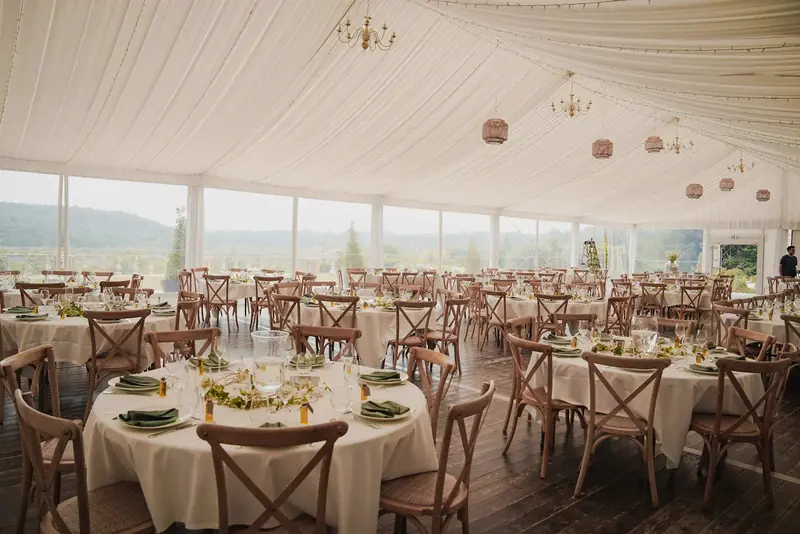
Guest comfort is influenced by more than temperature.
A well organized event encourages people to gather in places where heating is effective and where they feel comfortable remaining for longer periods.
Furniture placement can help define those spaces.
Position Lounge Seating Away From Drafts
Lounge furniture can create inviting areas for conversation, especially during weddings, corporate gatherings, and private celebrations.
However, the placement matters.
Avoid putting lounge groupings directly beside open tent sides or frequently used entrances where cold air enters whenever guests pass through.
Instead, position seating closer to protected interior areas where the heating system can maintain more consistent conditions.
Upholstered seating can also make a cooler weather event feel more inviting than relying entirely on standing cocktail tables.
Guests are more likely to relax when the space feels intentionally designed for lingering.
Use the Bar to Draw Guests Toward Warmer Areas
Bars naturally become gathering points.
Their placement can help influence how guests move through the event.
A bar positioned inside a comfortably heated area can encourage people to stay within the protected space rather than gathering around colder exterior edges.
The bar should still remain accessible without blocking main walkways.
Lounge seating can then be positioned nearby to create a larger social zone.
This combination gives guests a reason to remain in an area where heating coverage has already been prioritized.
Let the Dance Floor Support Guest Comfort
Dancing naturally creates movement and energy.
A centrally positioned dance floor can help bring guests together during the later portion of the event instead of allowing the party to spread into colder areas.
The goal is not to use activity as a substitute for heating.
Rather, the event layout should place entertainment inside the protected and heated part of the venue.
A cold dance floor positioned near open tent walls may discourage guests from participating even when the music and entertainment are strong.
Add Comfort Details Without Depending on Them for Heat
Small touches can make a winter gathering feel especially welcoming.
However, accessories should complement the structural heating strategy rather than become the strategy themselves.
Offer Warm Drinks as Part of the Experience
A warm beverage station can fit naturally into a cooler weather celebration.
Coffee, tea, hot chocolate, or other event appropriate drinks can help create a seasonal atmosphere while giving guests another reason to gather inside the main event area.
The beverage station should be positioned where it supports the flow of the event.
Consider placing it near:
- A lounge seating area
- The main bar
- A dessert station
- An indoor or protected transition area
- A comfortable gathering zone near the entrance
Warm beverages make the experience more inviting, but the tent and heating system still need to handle the actual temperature control.
Use Linens and Textiles to Make the Setting Feel Warmer
Visual warmth matters too.
Linens, upholstery, drapery, and seasonal textures can make an event feel more comfortable before guests even notice the temperature.
Table linens can soften large open spaces, while lounge furniture can help create smaller, more intimate zones within a tent.
These elements are especially useful when designing a cold weather event that might otherwise feel too open or temporary.
Celebrate Event Rentals offers hand inspected linens and lounge furniture that can be coordinated with tables, seating, and other rental details.
Use Lighting to Create a Warmer Atmosphere
Lighting does not replace heating, but it has a major effect on how guests perceive the event space.
Harsh, overly bright lighting can make a tent feel more exposed.
Warm lighting can make the same area feel more intimate.
Lighting can also help guide guests toward the most comfortable sections of the event.
Highlight the bar, dining areas, lounge furniture, or dance floor rather than leaving those spaces visually disconnected.
For evening events, exterior pathways and entrances should also be illuminated so guests can move between vehicles, buildings, and tented areas comfortably.
Avoid Common Cold Weather Event Planning Mistakes
Most guest comfort problems begin before the event.
They usually happen because heating was treated as an accessory instead of part of the infrastructure.
Addressing a few common mistakes during planning can make a significant difference.
Do Not Add Heating at the Last Minute
Heaters take up physical space and may have specific power, ventilation, or placement requirements.
If the entire floor plan has already been filled with tables, chairs, bars, and décor, finding suitable equipment locations becomes more difficult.
Heating should be considered alongside tent selection and layout planning.
This allows the event team to determine where equipment can operate effectively without disrupting guest movement.
Do Not Ignore Wind Exposure
Outdoor temperature alone does not determine how comfortable guests will feel.
Wind can make a moderately cool evening feel significantly colder and can reduce heating effectiveness.
A tent with several open sides on an exposed property may require a different setup from the same tent installed in a sheltered location.
Common cold weather planning mistakes include:
- Selecting heaters before evaluating the site
- Leaving exposed tent sides directly facing prevailing wind
- Putting lounge seating near drafty openings
- Planning heating around afternoon rather than evening temperatures
- Assuming blankets or warm beverages can replace proper shelter
A site based heating strategy can address these conditions before they become problems during the event.
Do Not Forget the Full Guest Journey
Hosts often focus on the reception itself and overlook how guests get there.
Someone may spend only a few minutes walking from parking to the tent, but a poorly lit, windy, or exposed entrance can shape their first impression of the event.
Think about every stage from arrival to departure.
Where will guests wait?
Where will they remove coats?
Will they move between multiple structures?
Are there sheltered areas around the bar or restrooms?
The best cold weather event plans support comfort throughout the property, not only around the dinner tables.
Frequently Asked Questions
How do you keep guests warm at an outdoor winter party?
Start with appropriate shelter and a heating plan designed around the site. Then consider sidewalls, guest movement, lounge seating, wind protection, lighting, and hospitality details such as warm beverages.
Is a tent enough to keep guests warm?
A tent provides important shelter, particularly from wind and precipitation, but colder events may still require heating. The tent style, sidewalls, outdoor temperature, wind exposure, and event duration all influence comfort.
Where should heaters be positioned at an outdoor party?
Heating should focus on occupied areas such as dining tables, lounge zones, bars, and entertainment spaces. Equipment placement also needs to follow the requirements of the specific heater being used.
Are blankets enough for an outdoor winter event?
Blankets can add comfort, but they should not replace proper shelter and heating. They work best as an additional hospitality detail after the primary comfort plan is established.
How can lounge furniture help during a cold weather event?
Lounge furniture encourages guests to gather in intentional areas where heating can be concentrated. Positioning lounge groups away from exposed tent sides can also help create more comfortable conversation spaces.
When should heating be planned for an outdoor event?
Heating should be considered early, ideally while the tent and floor plan are being developed. This makes it easier to coordinate equipment placement, power requirements, guest circulation, and furniture.
Create an Outdoor Celebration Guests Want to Stay For
Learning how to keep guests warm at an outdoor party begins with recognizing that comfort depends on the entire event environment. A strong plan combines shelter, heating, site conditions, seating, guest flow, lighting, and hospitality instead of relying on one piece of equipment to solve everything.
Choose a tent appropriate for the event, consider sidewalls and wind exposure, position heating around occupied areas, and arrange lounge seating, bars, and entertainment so guests naturally remain within comfortable zones. Then add finishing touches such as warm beverages, linens, and thoughtful lighting to make the celebration feel inviting.
Celebrate Event Rentals can help coordinate tents, heating, tables, seating, linens, lounge furniture, bars, dance floors, lighting, delivery, setup, and takedown for outdoor events throughout Flathead Valley.
If you are planning a wedding, corporate gathering, holiday celebration, or private outdoor event, contact Celebrate Event Rentals to build a rental and comfort plan around your venue, guest count, and expected weather conditions.