Event Rental Essentials That Shape a Flathead Valley Wedding

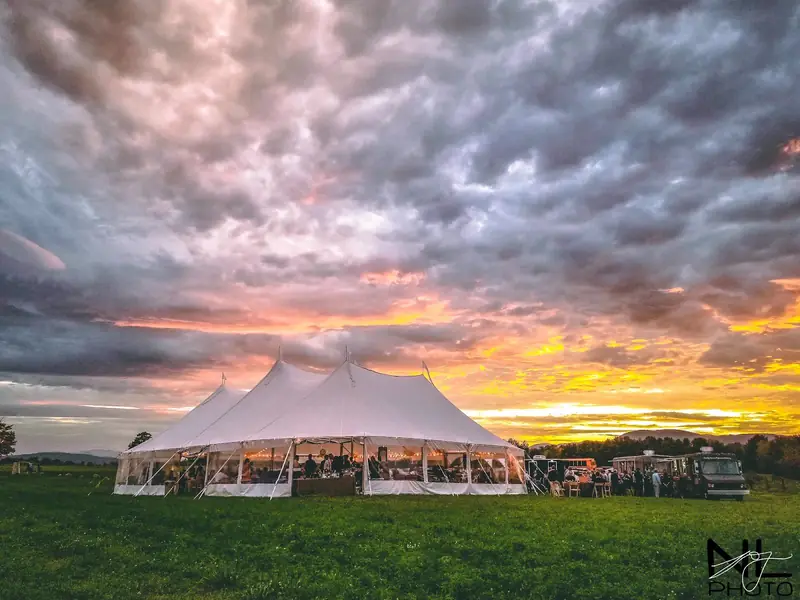
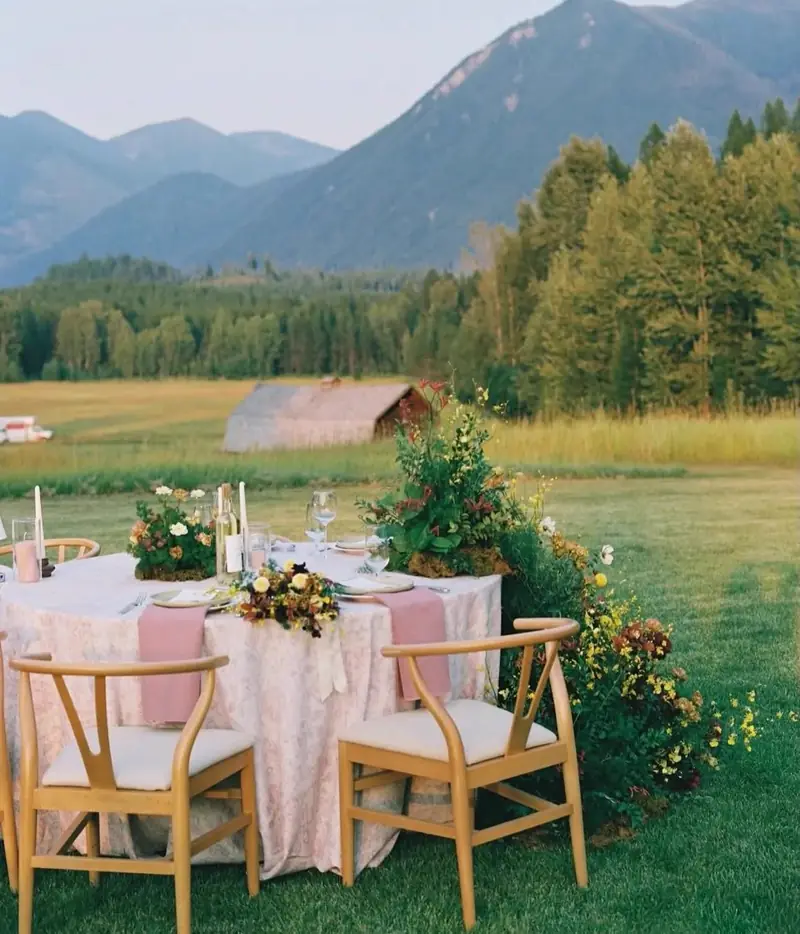
A Flathead Valley wedding often begins with the setting. Mountain views, open lawns, private properties, lakeside venues, and established event spaces can all create a memorable backdrop, but the setting alone does not determine how comfortably or smoothly the celebration unfolds. The rental plan creates much of the physical environment guests actually experience.
Tables determine where people gather for dinner. Chairs influence ceremony and reception layouts. A tent can define the primary event space, while bars, lighting, dance flooring, linens, and tabletop pieces shape how guests move through and interact with the celebration. Each rental serves a purpose, but those pieces work best when they are considered together rather than selected one at a time.
For couples planning event rental essentials in Flathead Valley, the strongest approach is to start with function and event flow before moving into decorative details. Establish what the venue needs, identify the major spaces of the wedding, and secure the rentals that create the event framework. Once those decisions are made, the visual details can be layered in more intentionally.
Celebrate Event Rentals has served Bigfork and the Flathead Valley since 2009, providing tables, seating, tents, linens, tabletop pieces, and related rentals for events throughout the region.
Start With the Rentals That Define the Event
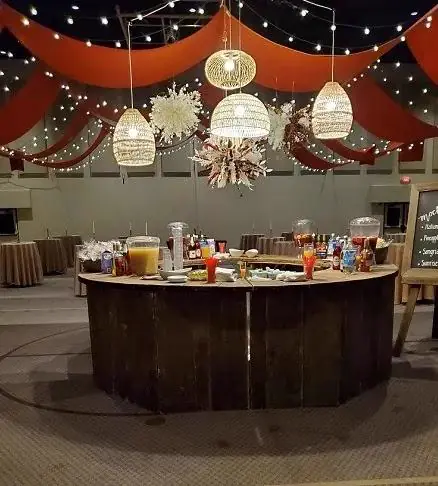
Couples do not need to select every rental during the first planning meeting. It is more useful to begin with the elements that determine where guests will gather, sit, eat, and celebrate.
These foundational rentals establish the physical structure of the event. Later choices, from linens to glassware, become easier once that framework is clear.
Tent or Reception Structure
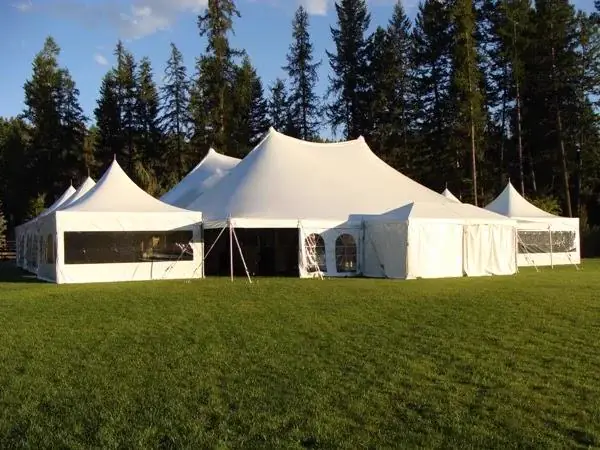
For an outdoor wedding or a property without sufficient covered space, the reception structure may be one of the first rental decisions.
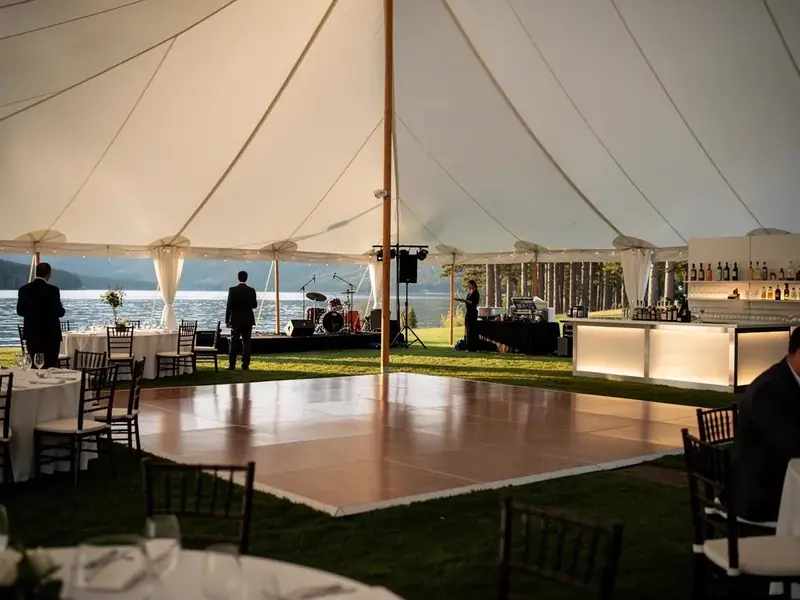
The purpose of the tent should be clear before style becomes the priority. Couples need to know approximately how many guests it must accommodate, what activities will happen beneath it, and whether it will contain only dinner seating or also the dance floor, bar, entertainment, and lounge areas.
A tent should also be planned in relation to the venue. Available footprint, access, guest circulation, and weather considerations all influence how the reception space is organized.
The finer differences between tent styles deserve their own planning conversation. At this stage, the essential question is simply whether the wedding requires covered infrastructure and what that infrastructure needs to support.
Tables and Seating
Tables and chairs establish much of the reception footprint.
Approximate guest count determines the basic quantity, while the floor plan helps determine how those pieces will be arranged. Couples should also consider whether separate seating will be needed for the ceremony and reception or whether furniture is expected to move between different parts of the wedding.
Style matters, but it should come after the practical layout. A particular chair may look perfect in an inspiration image but still need to work with the chosen tables, aisle spacing, tent dimensions, and overall guest count.
The existing Celebrate rental offering includes farm tables, round tables, and seating options used across Flathead Valley events. The more detailed question of which table and chair combination works best belongs later in the planning process, once the overall event framework is known.
Dance Floor and Entertainment Space
Entertainment should not be squeezed into whatever floor space remains after dinner seating is arranged.
A DJ, live band, dance floor, or stage can occupy a significant part of the reception. Those elements should therefore be incorporated into the initial floor plan alongside tables and bars.
The entertainment footprint also affects guest movement. A centrally placed dance floor creates a different atmosphere from one positioned at the edge of a tent or ballroom. The location of speakers, equipment, and staging may also influence nearby seating.
Planning entertainment early prevents the reception from becoming crowded after the major furniture has already been selected.
Think About the Wedding as a Series of Guest Spaces
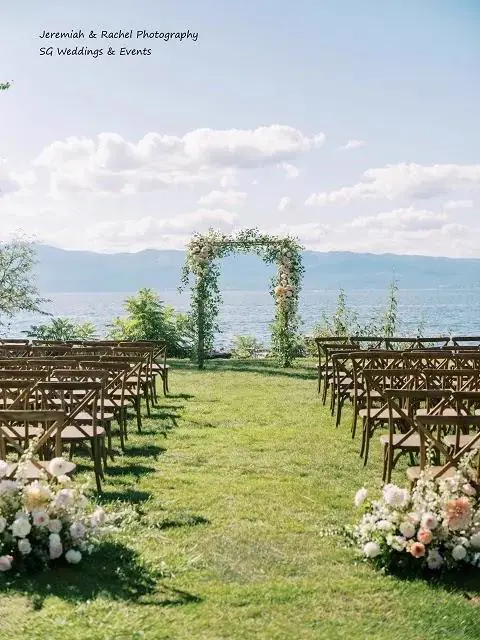
One of the easiest ways to build a more complete rental plan is to stop thinking of the wedding as one room.
Guests typically move through several environments during the day, and each one has different functional needs. Looking at those spaces individually helps couples identify what is actually necessary.
Ceremony
The ceremony rental list is often simpler than the reception list, but it still deserves careful planning.
Depending on the venue, couples may need:
- Guest chairs
- A ceremony focal structure
- Aisle elements
- Small accent tables
- Weather protection or an alternate covered location
The ceremony layout should also consider accessibility, sightlines, and how guests will enter and leave the area.
If ceremony chairs will later be used elsewhere, the timeline should account for when and how they will be moved.
Cocktail Hour
Cocktail hour usually works best with a more flexible arrangement than dinner.
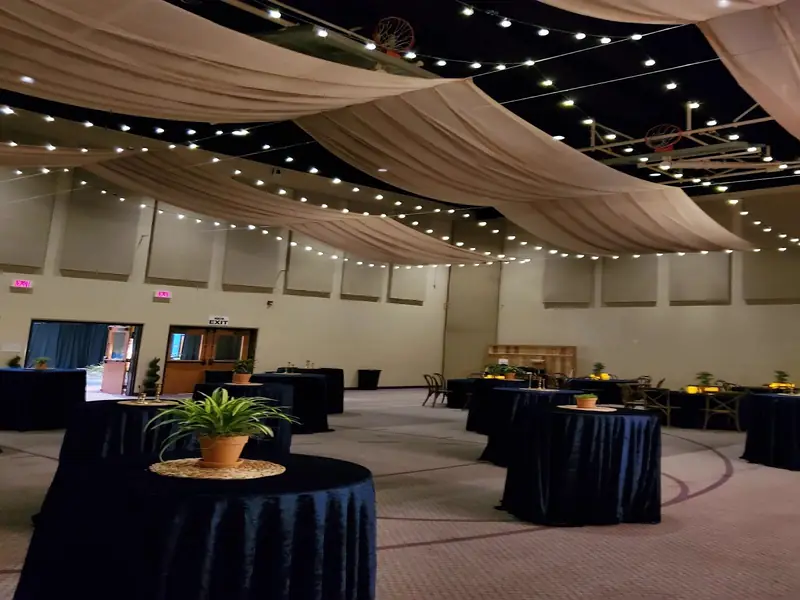
Guests are moving, greeting one another, visiting the bar, and gathering in smaller groups. Cocktail tables can provide convenient places for drinks and small plates, while lounge furniture or scattered seating gives guests an opportunity to rest without making the area feel overly formal.
Common rental needs may include:
- Cocktail tables
- Bar structures
- Lounge seating
- Side tables
- Limited additional seating
The goal is not to fill every open space. It is to create enough structure that guests know where to gather while preserving the informal character of cocktail hour.
Dinner and Reception
Dinner brings the largest group of rentals together.
Tables, chairs, linens, place settings, bars, entertainment areas, lighting, and the dance floor all need to function within the same environment. This is where planning each category independently can create problems.
A larger dance floor may reduce the number of tables that fit comfortably. Long tables may create different service routes from rounds. Bar placement can either support guest circulation or create congestion in a heavily traveled area.
The reception plan should therefore be viewed as one connected layout.
Late-Evening Areas
Guest behavior often changes later in the evening.
Some guests move toward the dance floor, while others gather near the bar or look for quieter seating away from entertainment. Lighting also becomes more important after sunset, particularly at outdoor celebrations.
Depending on the format, couples may want to consider lounge furniture, additional side tables, bar seating, or lighting that makes these evening spaces more comfortable.
Build the Rental Plan Around the Floor Plan
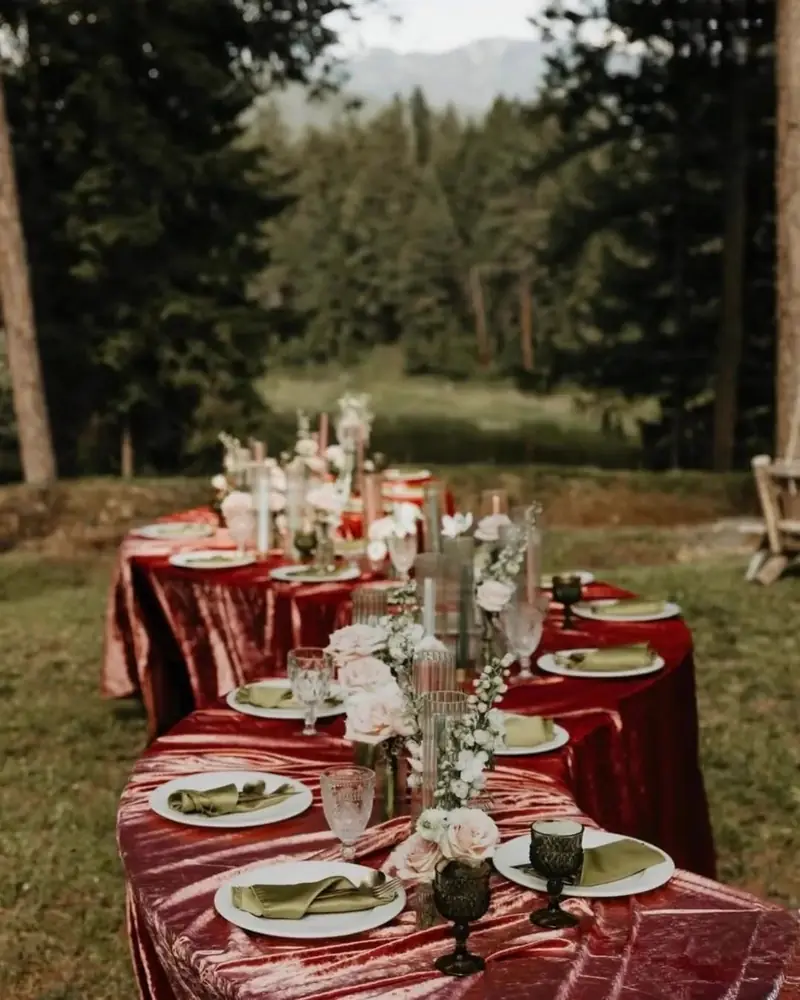
Rental catalogs can provide inspiration, but the actual venue determines whether those pieces work together. Before finalizing individual rentals, couples should establish the major zones of the event and understand how both guests and vendors will move between them.
Establish the Major Zones First
A reception floor plan may need to account for:
- Dining tables
- Bar
- Dance floor
- DJ or band
- Lounge areas
- Catering or service stations
- Entrances and exits
Outdoor weddings may also include separate ceremony and cocktail-hour locations.
The key is to identify these zones before filling the space with individual furniture selections. Doing so makes it much easier to understand how many tables are realistic, where bars should sit, and whether there is enough room for comfortable movement.
Protect Guest Circulation
Furniture should create structure without turning the reception into an obstacle course.
Guests need clear paths between their tables and the bar, dance floor, restrooms, exits, and outdoor spaces. Servers also need room to move without squeezing between chairs or interrupting conversations.
The more useful takeaway, however, is not a rigid spacing formula. It is that circulation should be considered before the final quantity of furniture is approved.
Leave Space for Vendors to Work
A reception layout also needs to function behind the scenes.
Caterers may require access to service tables or food preparation areas. Florists often need tables positioned before styling begins. A band or DJ needs room for equipment. Rental crews need access to install furniture, tents, flooring, or lighting before other design work starts.
When vendor needs are considered alongside guest needs, the finished event tends to feel much more effortless.
Which Rental Essentials Should Be Prioritized First?
Rental planning becomes more manageable when decisions are made in order of importance rather than all at once.
| Priority | Rental Category | Why It Matters Early |
|---|---|---|
| 1 | Tent or reception structure | Establishes usable event space |
| 2 | Tables and chairs | Determines guest capacity and basic layout |
| 3 | Dance floor and entertainment footprint | Affects reception spacing |
| 4 | Bars and service furniture | Influences guest flow and service |
| 5 | Lighting and climate needs | Supports comfort and evening use |
| 6 | Linens and tabletop | Refines the visual experience |
| 7 | Lounge and accent pieces | Adds atmosphere after core needs are covered |
Structural Essentials
The first layer contains the pieces the event cannot function without.
For some weddings, that means a tent. For others, the venue already provides a reception structure and the foundational rentals are primarily tables and chairs.
The objective is to establish the physical capacity of the event before designing its smaller details.
Functional Essentials
Once the structure is known, attention can turn to how the reception operates.
Bars, dance flooring, entertainment areas, lighting, and service furniture all affect how people use the space. They may be less visually prominent than linens or tabletop pieces, but they have a significant effect on the guest experience.
Design Essentials
Linens, dishware, glassware, flatware, lounge furniture, and accent pieces add the final visual character.
These selections are important, but they are easier to make when the venue, floor plan, furniture, and event zones have already been established.
The sequence allows design decisions to respond to the actual wedding rather than forcing the wedding to fit around decorative choices.
Let the Venue Determine What You Actually Need
No universal rental list works for every Flathead Valley wedding.
The amount of infrastructure required depends heavily on what the property already provides.
Established Wedding Venues
An established venue may include reception space, furniture, power, restrooms, lighting, or other infrastructure.
In that case, couples may need rentals primarily to supplement or personalize what already exists. Specialty linens, different chairs, upgraded tabletop pieces, a statement bar, or outdoor ceremony seating may be more important than bringing in the entire reception setup.
The first step is understanding what the venue supplies and whether those pieces fit the couple's preferred layout.
Private Estates and Outdoor Properties
A private property may offer greater flexibility while requiring more rental infrastructure.
Depending on the site, the wedding could require:
- Tent
- Tables and chairs
- Lighting
- Bar
- Dance floor
- Catering support furniture
- Weather-related equipment
Access also matters. Delivery vehicles need a practical route to the setup area, and vendors need enough time to build the space before styling and guest arrival.
Tented Weddings
A tented reception is best treated like a temporary room.
The tent creates the boundary, but everything that makes a reception function still needs to be considered within it: dining, entertainment, service, bars, lighting, guest circulation, and climate needs.
This is why tent size should be based on the complete event plan rather than guest count alone.
Choose Tables and Chairs as Part of the Overall Plan
Because tables and chairs occupy so much visual and physical space, they naturally influence the look of the reception. They should still be chosen within the context of the broader rental plan.
Let Guest Count Establish the Starting Point
An approximate guest count gives the planning team the first indication of how much furniture will be required.
Final quantities may change after RSVPs, but couples do not need to wait until then to begin planning. A realistic estimate is usually enough to develop an initial layout.
Choose Layout Before Style
The more useful sequence is:
Floor plan first to furniture style second
Determine how guests will be seated, how much room is available, and where the other major reception zones will sit. Once those decisions are clear, table and chair styles can be evaluated within the actual space.
This prevents aesthetic preferences from creating unnecessary layout complications.
Coordinate Ceremony and Reception Seating
Couples should also determine whether ceremony chairs will remain separate from reception seating.
Reusing furniture may be practical in some settings, while other weddings may require both spaces to be fully set at the same time. The decision affects quantities, setup timing, and the overall rental plan.
Use Linens and Tabletop to Finish the Design
Linens and tabletop pieces often make the largest visual difference after the major furniture has been installed.
They should be treated as the finishing layer rather than the first design decision.
Start With the Larger Design Elements
Before selecting individual plates or linen colors, establish the broader visual direction.
Consider:
- Venue character
- Table material
- Chair style
- Overall color palette
- Floral direction
- Level of formality
These larger choices create the framework that tabletop details can support.
Layer in Linens, Dishware, Glassware, and Flatware
Once the framework is clear, individual tabletop pieces can add texture and character.
Celebrate Event Rentals offers linens along with dishware, glassware, and flatware, allowing these categories to be coordinated within the same overall plan.
The most successful tabletop does not necessarily use the most elaborate pieces. It uses selections that make sense together and support the atmosphere established by the venue and furniture.
Aim for Cohesion, Not Exact Matching
Every finish does not need to match perfectly.
A stronger design may combine contrasting textures, different materials, or a mix of neutral and statement elements. What matters is that the selections feel related rather than accidental.
Do Not Forget the Functional Rentals Guests Notice Indirectly
Some of the most important rentals are not the pieces guests photograph first.
They shape comfort, circulation, and atmosphere in ways that become noticeable only when something is missing.
Lighting
Lighting needs to support both visibility and mood.
Dining areas, bars, walkways, dance floors, and entrances may each have different requirements. Outdoor events should also consider how the space changes once natural light disappears.
The lighting plan should follow the layout rather than being treated as a decorative layer added at the end.
Bars
The bar is often one of the most heavily used areas of a reception.
Its placement influences how guests circulate, where lines form, and whether service interferes with dinner or dancing. A well-positioned bar can help distribute guests throughout the reception rather than creating congestion in one location.
Dance Flooring and Staging
Dance flooring and staging affect more than entertainment.
Their dimensions influence table placement, traffic flow, and how the reception feels as guests transition from dinner into the later portion of the evening.
Planning them early protects enough space for both dining and dancing.
Climate and Weather Support
Outdoor weddings may also require supporting equipment related to comfort and weather.
Depending on the venue and season, that can include heating or other tent accessories. These needs should be discussed alongside the structure and event timeline rather than left until the final days before the wedding.
A Practical Flathead Valley Wedding Rental Checklist
A complete rental plan should account for the entire guest experience.
Ceremony
- Guest chairs
- Ceremony focal structure, if needed
- Aisle elements
- Weather contingency
Cocktail Hour
- Cocktail tables
- Bar
- Lounge seating
- Side tables
- Additional seating where appropriate
Reception
- Tent or reception space
- Dining tables
- Chairs
- Dance floor
- Entertainment area
- Bars
- Lounge pieces
Tabletop
- Linens
- Dishware
- Glassware
- Flatware
Supporting Infrastructure
- Lighting
- Climate equipment where needed
- Catering and service furniture
- Delivery access
- Setup requirements
- Breakdown and pickup requirements
Not every wedding will require every item on the checklist. Its purpose is to make sure each category has been considered rather than automatically included.
When Should Couples Begin Reserving Event Rentals?
Rental planning can begin once the venue and approximate guest count are known. Couples do not need the entire design finalized at that point, they simply need enough information to identify the major requirements and begin discussing availability.
- Begin with the venue and guest count. These two details provide the foundation for nearly every rental category. The venue determines available space and existing infrastructure, while guest count establishes the approximate scale of the event. From there, the rental plan can begin taking shape.
- Reserve major and signature pieces first. Items that define the event or are particularly important to the wedding vision should generally be addressed before smaller details. This might include the tent, primary furniture, or a signature rental that significantly influences the design. Tables and chairs should also be addressed once the guest count and venue are confirmed rather than left until the final weeks of planning.
- Refine quantities and design later. Final quantities can change as RSVPs arrive. Linens, tabletop details, and accent pieces may also evolve as florals, stationery, and the broader design direction become clearer.
A good rental plan creates enough structure early while leaving reasonable room for refinement.
Frequently Asked Questions
What are the essential rentals for a Flathead Valley wedding, and in what order should they be planned?
Flathead Valley event rentals fall into three layers: structural (tent, tables, chairs), functional (bars, dance flooring, lighting, service furniture), and design (linens, dishware, glassware, accents). Structural essentials come first to establish capacity, functional pieces follow to support guest flow, and design elements finish the look once the framework is set.
Does the choice of wedding venue affect which rentals are needed?
Yes. An established venue often supplies furniture, power, restrooms, and lighting, so couples may only need rentals to personalize the space. A private estate or outdoor property usually requires bringing in nearly everything, from tent to tables to bar, so confirming what the venue already provides is the first step.
How do couples determine how many tables and chairs they need?
Approximate guest count gives the first indication of table and chair rental needs, even before RSVPs are final. The better sequence is floor plan first, style second: map out seating and the other reception zones, then choose table and chair styles that fit the confirmed layout.
Should ceremony chairs be reused for the reception, or set up separately?
It depends on the venue and timeline. Reusing chairs can work when the ceremony and reception spaces are close together with time to move them; some layouts require both spaces fully set at once, which means separate seating. This affects quantities and setup timing, so it's worth deciding early.
What tabletop rentals are available for weddings in the Flathead Valley?
Celebrate Event Rentals offers linens alongside dishware, glassware, and flatware that can be coordinated together. These pieces form the finishing layer, added once venue, furniture, and floor plan are established, with the strongest results mixing textures and materials that feel related rather than perfectly matched.
When should couples start reserving wedding rentals in the Flathead Valley?
Rental planning can begin once the venue and approximate guest count are confirmed, well before the full design is finalized. Major pieces like the tent, primary furniture, or a signature rental should be reserved first, with quantities and tabletop details refined later as RSVPs and design plans develop.
Build the Foundation First, Then Add the Details
A cohesive Flathead Valley wedding does not come from selecting every beautiful item in a rental catalog. It comes from understanding what the event needs and building the plan in the right order.
Start with the reception structure and floor plan. Establish tables, seating, entertainment space, and bars. Then consider lighting, linens, tabletop pieces, and the smaller design elements that give the wedding its individual character.
This approach keeps the rental plan practical without sacrificing style. It also gives couples a clearer way to prioritize decisions when planning an event with many moving parts.
Celebrate Event Rentals has served Bigfork and the Flathead Valley since 2009, providing tents, tables, seating, linens, dishware, glassware, flatware, and related rentals for celebrations throughout the region. By building the foundation first and refining the details afterward, couples can create a wedding environment that feels intentional from the ceremony through the reception's final moments.