How Many Patio Heaters Do I Need?
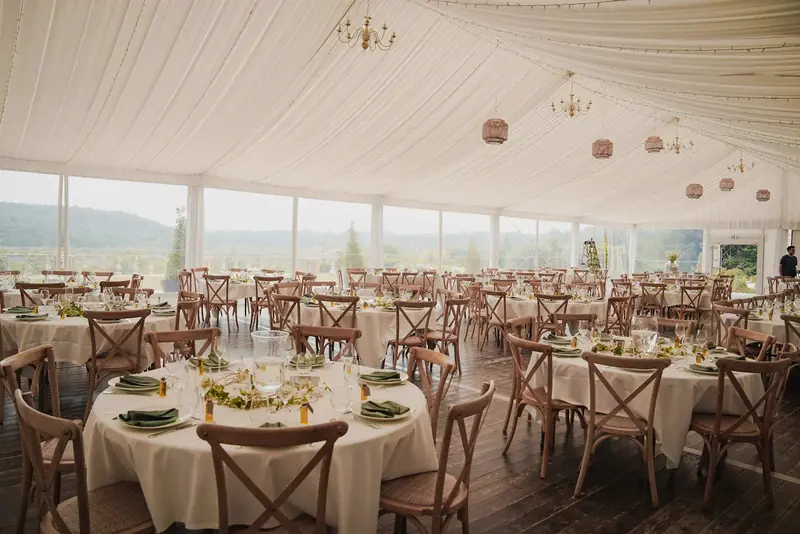
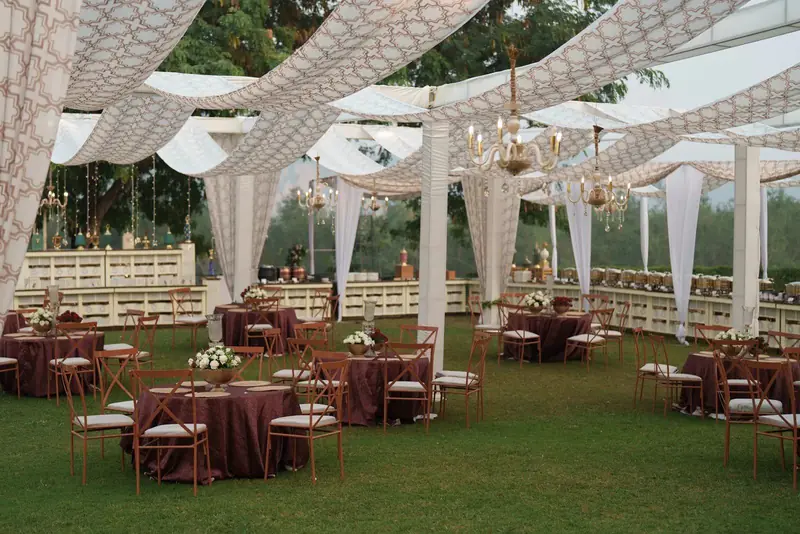
When temperatures drop during an outdoor event, guest comfort can change quickly. A patio or tent that feels comfortable in the afternoon may feel much colder after sunset, especially during fall or spring events in Northwest Montana. That is why the question “how many patio heaters do I need?” should be addressed during the planning stage rather than just before guests arrive. A general starting point is approximately one patio heater for every ten to twelve guests in an open or uncovered gathering area, but guest count alone does not determine the final number. The size of the heated area, heater output, tent height, open sides, wind exposure, event duration, and layout all influence how effectively heat reaches guests. For some spaces, one 40,000 BTU heater for approximately every 300 square feet can provide another useful baseline. These figures should be treated as planning guides rather than universal rules because every property and event setup is different. Celebrate Event Rentals can help coordinate heating alongside tents, furniture, lighting, and other event rentals so the heating plan works with the entire event layout.
Start With the Size and Type of Event Space
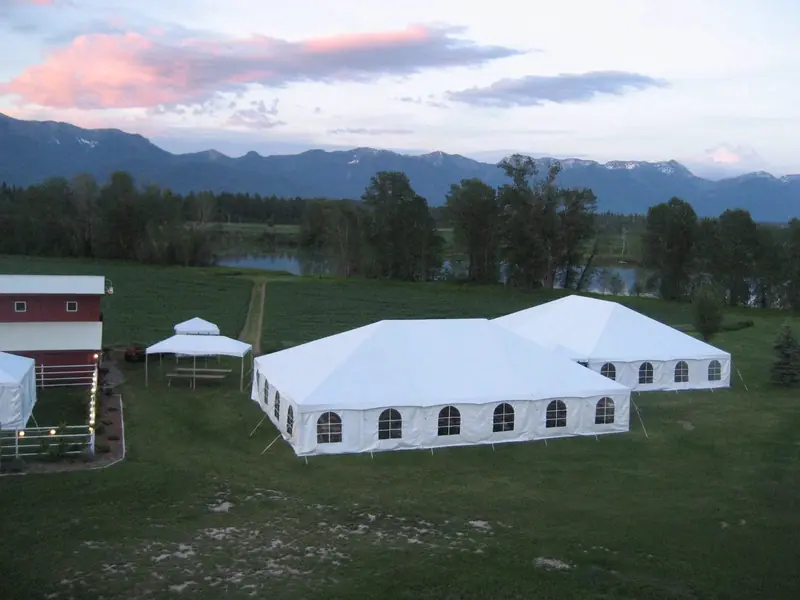
The first step in estimating patio heater quantity is understanding exactly what needs to be heated.
Heating an open patio is different from heating a tent, and both are different from warming a partially enclosed venue.
Measure the Area Guests Will Actually Use
Begin with the square footage of the area where guests will spend most of their time.
Do not automatically calculate the entire property.
If guests are mainly seated around dining tables and lounge areas, focus on those spaces.
A common starting point for open event areas is approximately one 40,000 BTU patio heater for every 300 square feet.
For example, a 1,200 square foot gathering area may begin with a baseline estimate of four heaters.
That number can increase or decrease depending on wind, enclosure, heater type, and the time of year.
Square footage gives you a starting point, but it should never be the only factor used.
Consider Whether the Space Is Open or Enclosed
Open spaces lose heat much faster than enclosed spaces.
Wind can move warmed air away from guests before the heater creates a noticeable comfort zone.
A tent with sidewalls may retain heat more effectively, while a tent with several open sides behaves more like an outdoor patio.
The same heater count may therefore perform very differently in two spaces of identical size.
When planning the heated area, evaluate:
- Total square footage and ceiling height
- Number of open tent sides or exposed edges
- Wind direction and available natural shelter
- Seating, dining, and lounge locations
- Expected temperatures during the event
Understanding those conditions helps prevent a heater quantity that looks correct mathematically but performs poorly during the actual event.
Think About the Event Schedule
Timing matters because outdoor temperatures can change significantly over several hours.
A wedding reception that begins at 4 p.m. may continue long after sunset.
An afternoon corporate gathering may end before temperatures fall dramatically.
Plan heating around the coldest portion of the event, not only the conditions expected when guests first arrive.
This is especially important when dinner, dancing, speeches, or entertainment will continue into the evening.
Choose the Right Heater for the Space
The type of heater affects how many units are needed and where they can be placed.
Patio heaters are not interchangeable in every environment.
Propane Heaters for Open Event Areas
Propane patio heaters are often useful for open outdoor spaces because they do not depend on nearby electrical outlets.
Their placement flexibility can make them practical around patios, cocktail areas, lounge spaces, and other outdoor gathering zones.
They can also produce substantial heat for guests positioned relatively close to the unit.
Placement still matters.
A propane heater placed far away from seating may contribute little to guest comfort.
The heater needs to be integrated into the floor plan rather than positioned wherever unused space happens to remain.
Fuel requirements should also be considered before the event begins, especially when the gathering will continue for several hours.
Electric Heaters for Suitable Covered Areas
Electric heaters may work well in appropriate covered spaces where sufficient electrical access is available.
They operate without propane fuel and can be useful when the venue has reliable power positioned near the areas that need warmth.
However, power requirements can limit how many electric units can operate simultaneously.
Each unit may require appropriate electrical capacity, so the heating plan needs to be coordinated with lighting, catering, entertainment, and other equipment drawing power during the event.
A venue with plenty of outlets does not automatically have unlimited electrical capacity.
The event's overall power plan should be considered before selecting electric heating.
Forced Air Heating for Larger Tented Events
Large or more enclosed tents may benefit from forced air heating rather than relying only on individual patio heaters.
Forced air systems are designed to warm a larger volume of air, making them better suited to certain enclosed tent configurations.
The appropriate solution depends on tent size, height, material, openings, and expected weather.
For a large tented reception, heating should ideally be planned at the same time as the structure.
That makes it easier to account for equipment locations, ducting or airflow needs, guest pathways, and power or fuel requirements.
Account for Wind, Tent Height, and Guest Layout
A mathematical heater calculation becomes much more accurate when site conditions are included.
This is where two events with the same guest count may require very different heating plans.
Wind Can Reduce Heater Effectiveness
Wind is one of the biggest variables in outdoor heating.
Moving air can carry heat away from guests and create colder pockets around the event space.
A sheltered courtyard may retain warmth more effectively than an exposed lawn overlooking open terrain.
Heater locations should therefore respond to the property's exposure.
Natural windbreaks, tent walls, nearby buildings, landscaping, and other structures can influence how warmth moves across the event.
Avoid assuming that adding more heaters automatically solves poor placement.
The goal should be even coverage in the areas guests use most.
High Tent Ceilings Affect Heat Distribution
Tent height matters because warm air naturally rises.
A tent with high peaks may require a different heating strategy from a lower, more enclosed space.
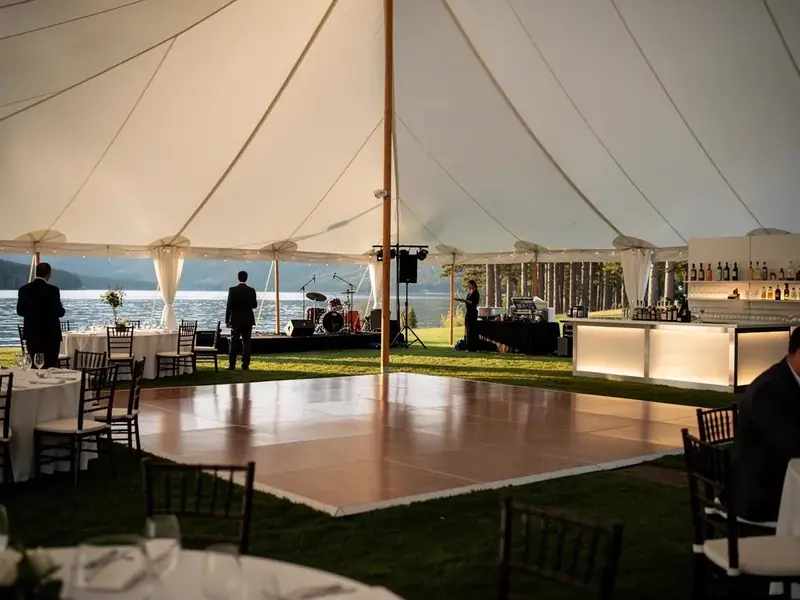
Sailcloth and Tidewater tents also have different profiles and layouts, so the heating arrangement should work with the specific structure.
The final count should consider:
- Tent footprint and peak height
- Open sides and entry points
- Expected evening temperature
- Wind exposure around the site
- Location of guest seating and activity zones
These factors help determine whether the initial square footage estimate needs additional capacity.
Put Heat Where Guests Spend Time
A heater is most useful when it warms an occupied space.
Prioritize dining tables, lounge areas, cocktail zones, and other locations where guests remain for longer periods.
A walkway that guests use for a few seconds may not require the same heating coverage as a lounge area where people sit for an hour.
The floor plan should therefore be reviewed before the final heater count is confirmed.
This allows heating to support the guest experience rather than simply being distributed evenly around the perimeter.
Calculate Heating Needs for a Tented Event
Tented events require a slightly different approach because the structure itself affects heat retention.
A tent may reduce exposure to weather, but it does not automatically function like a permanent heated building.
Use Square Footage as the Baseline
One practical starting point is approximately one 40,000 BTU heater for every 300 square feet.
For a 900 square foot heated area, the baseline would be roughly three units.
For a 1,500 square foot area, it would begin around five.
Again, those numbers are starting estimates.
A fully enclosed tent in relatively calm conditions may behave differently from an open-sided tent on an exposed property.
The baseline helps create an initial plan, while the final decision should reflect the actual event environment.
Adjust for Open Sides and Exposed Locations
Open tent sides allow warmed air to escape.
If several sides remain open, the heating plan may need additional capacity or more strategic placement.
Exposed locations can create similar challenges.
Events near open fields, elevated sites, or areas with regular evening wind may experience greater heat loss.
The most useful sequence is:
- Measure the area that needs heating
- Establish a baseline using heater output and square footage
- Identify open sides and exposed areas
- Review tent height and layout
- Adjust the quantity and placement around guest zones
This method keeps the calculation connected to the real event rather than relying on one rule for every venue.
Coordinate Heaters With the Tent Layout
Heaters should be considered when the floor plan is created.
Waiting until tables, bars, lounge furniture, and entertainment have been positioned can make suitable heater placement difficult.
Heating equipment also needs appropriate clearance and access.
The rental and setup teams should know where units are planned before delivery.
This allows the heating system to become part of the event infrastructure instead of an obstacle added afterward.
Avoid Common Patio Heater Planning Mistakes
Most heater problems result from underestimating conditions rather than simply choosing the wrong number of units.
A little additional planning can prevent cold areas and last minute changes.
Do Not Base the Count on Afternoon Weather
A comfortable afternoon temperature can be misleading.
Outdoor events often become noticeably cooler after sunset.
The heater plan should reflect conditions expected during the coldest part of the event.
For an evening celebration, that may be several hours after guests first arrive.
This is especially important if dancing, speeches, dinner, or entertainment extends late into the night.
Do Not Ignore Placement
More heaters do not always create better comfort if they are poorly positioned.
Keep them near areas where people gather while maintaining appropriate spacing from furniture and other event elements.
Review the entire floor plan before confirming placement.
Common mistakes include:
- Putting all heaters around the perimeter instead of near occupied areas
- Forgetting that wind can create cold sections of an open tent
- Adding heaters after tables and furniture have already filled the available space
- Underestimating how much the temperature may fall after sunset
- Failing to coordinate fuel or electrical needs before event day
Correcting these issues during the planning stage is much easier than repositioning equipment after guests have arrived.
Include Heating in the Rental and Setup Plan
Heating works best when it is coordinated with the rest of the event infrastructure.
Tent placement influences heat retention.
Furniture placement determines where warmth is needed.
Lighting, entertainment, and catering may affect available electrical capacity.
Delivery timing determines when equipment can be positioned and tested.
Treating all of these details as one event plan helps avoid conflicts between different pieces of equipment.
Frequently Asked Questions
How many patio heaters do I need for 100 guests?
A general starting point for an open event area is approximately one heater for every ten to twelve guests, which could suggest roughly eight to ten heaters for 100 guests. However, the final number should also consider square footage, wind exposure, heater output, layout, and whether the event is tented.
How many square feet can one patio heater cover?
A common planning guideline uses approximately one 40,000 BTU heater for every 300 square feet as a baseline. Actual performance can vary depending on wind, temperature, enclosure, ceiling height, and placement.
Do I need more patio heaters if it is windy?
Often, yes. Wind can reduce heater effectiveness by carrying warmth away from occupied areas. Placement, windbreaks, tent walls, and additional heating capacity may need to be considered.
Are patio heaters enough for a large event tent?
Not always. Larger enclosed tents may benefit from forced air heating instead of relying entirely on individual radiant patio heaters. The structure, size, weather, and event layout determine the appropriate approach.
Should heaters be placed around the edge of the tent?
They should be positioned according to where warmth is needed and the requirements of the equipment. Simply spacing heaters evenly around the perimeter may leave occupied areas cold.
When should I reserve heating for an outdoor event?
Heating should be planned alongside the tent and floor layout rather than treated as a last minute rental. Early planning gives the event team more flexibility when determining quantity, equipment type, and placement.
Keep Guests Comfortable From the First Arrival to the Final Dance
There is no single heater number that works for every outdoor event. The best answer to “how many patio heaters do I need?” starts with the size of the area and then accounts for heater output, guest count, wind exposure, tent height, open sides, event timing, and the locations where guests will actually gather.
Using one heater for approximately ten to twelve guests or one 40,000 BTU heater for roughly every 300 square feet can provide a useful starting point. From there, the plan should be adjusted to match the property and event setup.
Celebrate Event Rentals can help coordinate heating with tents, tables, seating, lighting, dance floors, lounge furniture, and other event rentals throughout Flathead Valley. If you are planning a wedding, private celebration, corporate event, or seasonal gathering, contact Celebrate Event Rentals to discuss the space, expected conditions, and rental setup so your heating plan supports guest comfort throughout the event.