How Can I Ensure My Event Details Are Well-Coordinated From Out of State?
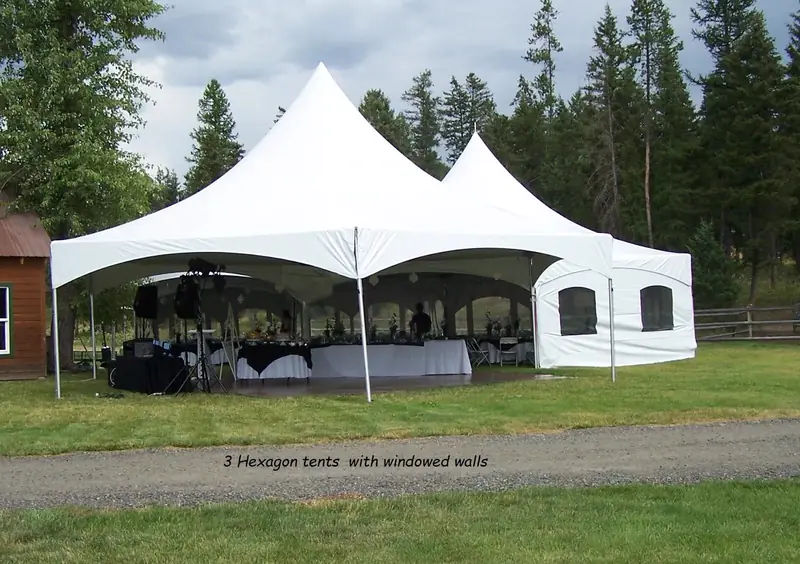
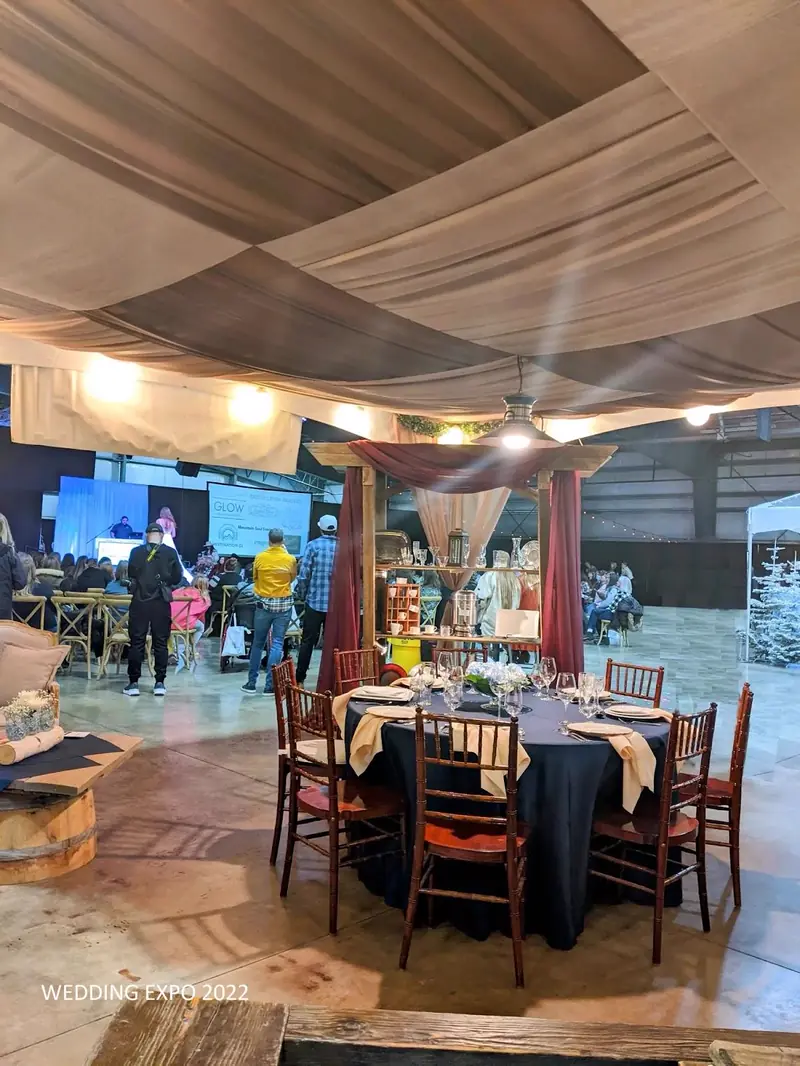
Planning a wedding or special event in the Flathead Valley while living in another state can feel complicated because many important decisions involve a venue you may not be able to visit regularly. Tent requirements, furniture, linens, tabletop pieces, guest counts, seasonal considerations, and event layouts all need to come together before guests arrive in Montana.
The key to successful long-distance event coordination is creating one clear plan around the venue and making major rental decisions in the right order. For destination weddings and events in Bigfork, Kalispell, Whitefish, Columbia Falls, West Glacier, and surrounding Northwest Montana communities, organizing related rental categories together can reduce unnecessary back-and-forth during the planning process.
Why Does Planning a Flathead Valley Event From Out of State Require More Coordination?
Destination events naturally involve decisions that are easier to make when you can see the venue in person. When planning from another state, couples and event hosts may need to rely on venue information, photographs, measurements, conversations with local professionals, and a carefully organized rental plan.
The Flathead Valley also includes a wide range of event settings. A lakeside property near Flathead Lake can have very different requirements from a ranch, mountain-view venue, hotel property, or private acreage. Understanding those differences early can help prevent rental decisions from being based solely on appearance.
Gather the Important Venue Information First
Before selecting tents or furniture, collect as much practical information about the property as possible.
You do not need every decorative detail finalized at this stage. Instead, focus on information that affects the physical event setup:
- Ceremony and reception locations
- Approximate dimensions of the usable event areas
- Furniture or equipment already provided by the venue
- Rental and vendor access points
- Available indoor or alternative spaces
- Electrical access and other site considerations
- Any venue-specific setup or timing requirements
Having this information available gives everyone involved in the rental process the same starting point.
It also prevents unnecessary changes later. For example, choosing reception furniture before confirming what the venue already includes could result in duplicate rentals. Similarly, planning a tent without understanding the usable event area can make the proposed layout difficult to execute.
Build the Event Around Confirmed Details
Long-distance planning becomes more manageable when confirmed information is separated from decisions that are still flexible.
The venue and event date generally come first. The approximate guest count establishes the scale of the event. Ceremony and reception locations then provide the foundation for tenting and furniture decisions.
Smaller design choices can remain flexible until those major details are established.
This approach allows the event to develop logically rather than requiring couples to repeatedly revise tabletop selections, furniture quantities, or layouts because an earlier decision changed.
How Can You Coordinate Rentals When You Cannot Visit in Person?
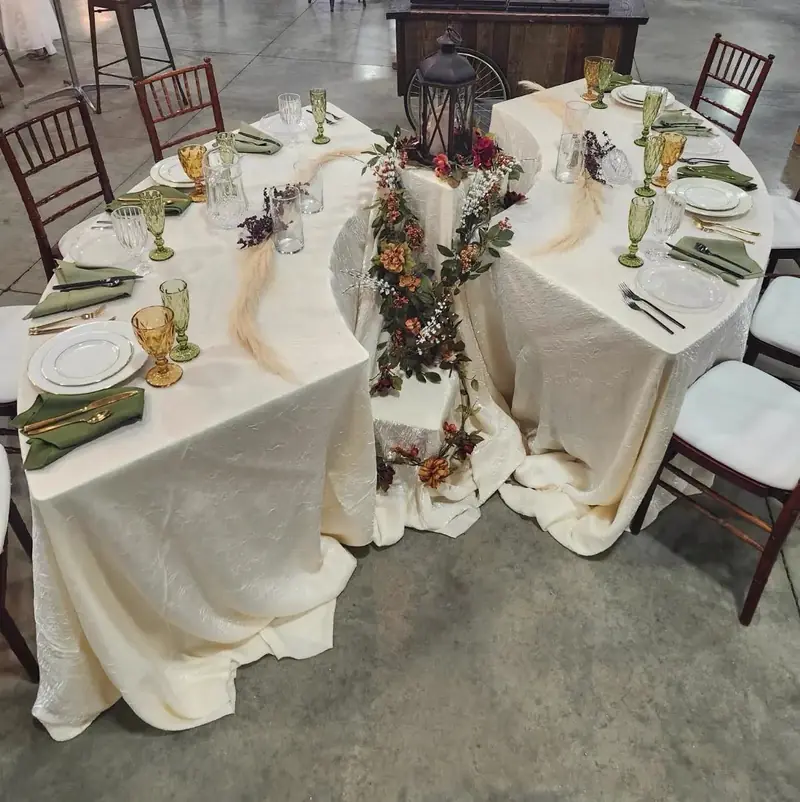
Remote event planning depends on clear communication and organized decision-making. Instead of trying to recreate an in-person planning experience from a distance, couples can focus on gathering the information needed to make each decision confidently.
The original event concept emphasizes coordinating tents, tables, seating, linens, and tabletop pieces through a connected rental process rather than treating every category as a separate project.
Organize Decisions by Rental Category
Trying to finalize the entire event at once can make remote planning unnecessarily difficult. It is easier to work through related categories in stages.
A practical sequence is:
- Confirm the venue, event date, and approximate guest count.
- Determine whether a tent or other major structure is required.
- Establish the primary reception layout.
- Select tables and seating based on that layout.
- Identify lounge furniture and additional gathering areas.
- Coordinate linens and tabletop pieces with the furniture.
- Review lighting and heating needs for the event conditions.
- Confirm final quantities as the event date approaches.
Each decision provides information needed for the next one.
For example, the tent layout affects the number and arrangement of tables. The table selection affects linen requirements. Seating and lounge furniture influence circulation, while the final reception configuration helps determine where lighting or other supporting rentals should be considered.
Keep Changes Connected to the Overall Plan
Guest counts and layouts can evolve during the planning process. A change is easier to manage when its effect on the rest of the event is considered at the same time.
If the guest count increases, additional tables and chairs may be required. That change could also affect the reception layout, linens, tabletop quantities, and available space for lounge furniture or entertainment.
The same principle applies when reducing the guest count or changing the reception format.
Instead of treating each adjustment as an isolated update, review how it affects related rental categories. This helps keep the complete event aligned as plans develop.
How Should You Plan Around a Flathead Valley Venue?
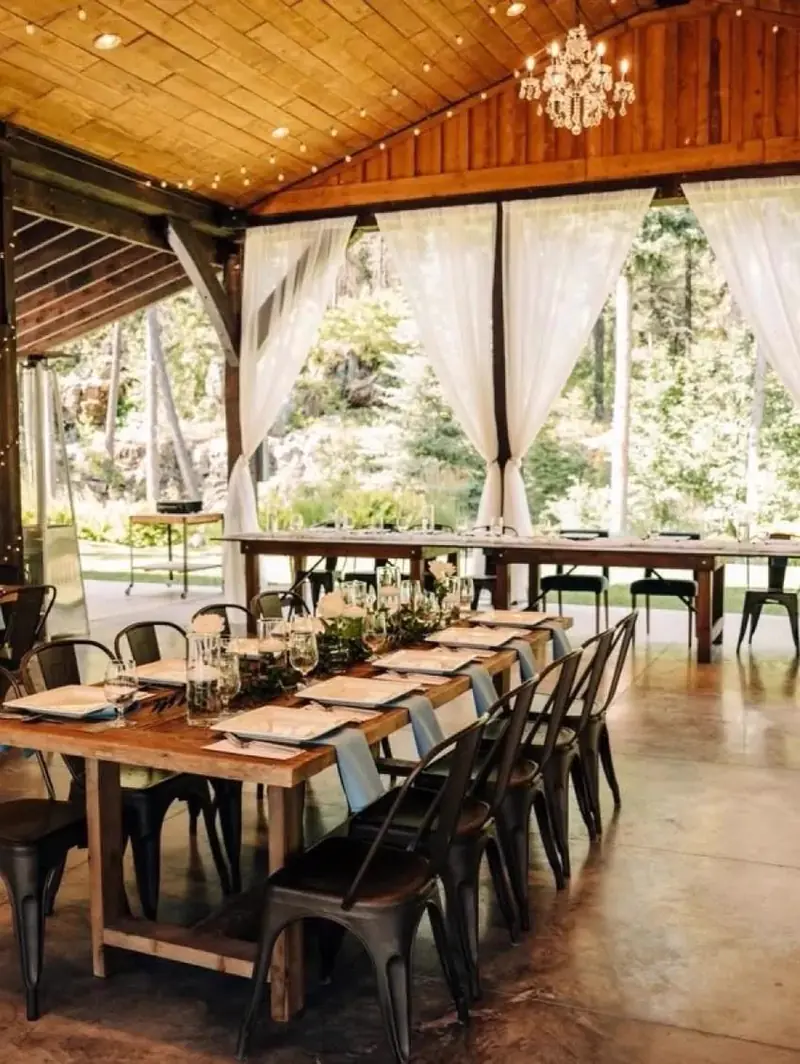
One of the most important parts of long-distance event coordination is understanding that Flathead Valley venues are not interchangeable.
The region includes lakeside properties, mountain settings, ranches, private acreage, hotels, resorts, barns, and other event spaces.
A rental plan should respond to the actual property rather than using the same layout for every Montana event.
Understand What the Venue Already Provides
Before adding rentals, determine which elements are already available through the venue.
Some properties may provide tables or chairs. Others may primarily provide the setting and require more of the event environment to be brought in. An established hotel or resort can also have different infrastructure from a private outdoor property.
Once those inclusions are clear, separate the rental plan into three groups:
- Already provided: Furniture, structures, or equipment included through the venue.
- Essential additions: Items required for the event to function, such as additional seating, tables, tenting, or tabletop pieces.
- Design enhancements: Lounge furniture, premium linens, specialty seating, or other pieces used to develop the desired atmosphere.
This creates a more purposeful rental plan and reduces the likelihood of selecting items simply because they appear in a catalog.
Consider the Entire Guest Experience
A venue layout should make sense from a guest's perspective.
Start with arrival. Consider where guests will gather before the ceremony, how they will move into cocktail hour, and how they will reach the reception. Once inside the reception area, tables, lounge furniture, bars, and other gathering spaces should be arranged so guests can navigate comfortably.
At an outdoor Montana venue, scenery can also influence the layout. A lake or mountain view may be one of the reasons the property was selected, so furniture and tents should avoid unnecessarily blocking important sightlines.
Thinking about the event as a sequence of experiences can be more useful than planning individual spaces independently.
How Can One Coordinated Rental Plan Simplify a Destination Event?
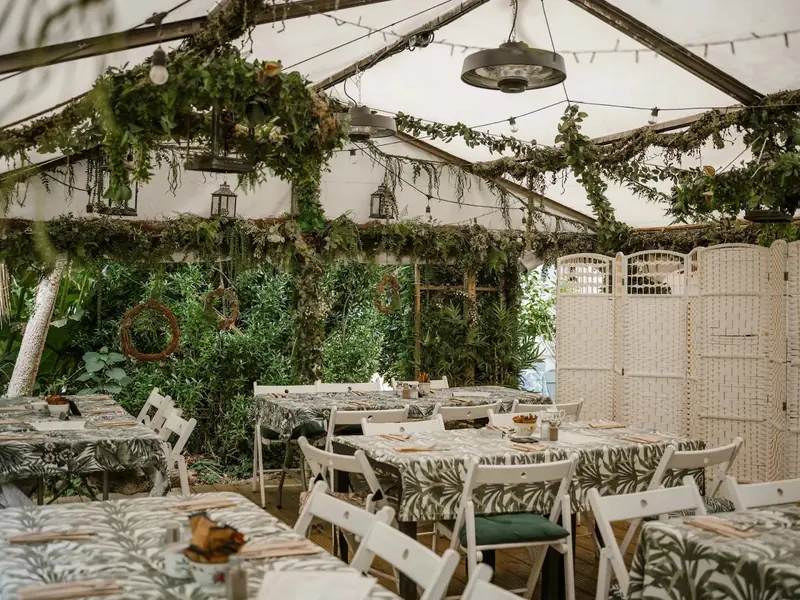
Working with related rental categories through one coordinated plan can simplify communication for someone planning hundreds or thousands of miles away.
Celebrate Event Rentals is positioned as an all-in-one luxury event rental provider, with core categories including sailcloth tents, tables, premium seating, linens, tabletop rentals, lounge furniture, lighting, and heating. This allows couples and planners to consider how major rental elements work together rather than building the reception from unrelated selections.
Connect the Tent, Furniture, and Tabletop
A tent establishes the reception footprint, but the furniture determines how that footprint will be used.
Tables and chairs create the dining layout. Lounge furniture can establish secondary gathering areas. Linens and tabletop pieces develop the appearance of the dining space, while lighting can help the reception transition into the evening.
Planning these elements together creates several practical advantages:
- Furniture quantities can be reviewed against the actual reception layout rather than estimated separately.
- Linen and tabletop selections can be coordinated after table styles and quantities are established.
- Lounge furniture can be positioned around real circulation needs instead of being added wherever unused space remains.
- Lighting and heating can be considered in relation to where guests will actually spend time.
- Changes to one rental category can be reviewed against the rest of the event before they are finalized.
This is particularly useful for destination couples because fewer decisions exist in isolation.
Keep the Visual Direction Consistent
Coordination is not only about logistics. It also affects how the event looks.
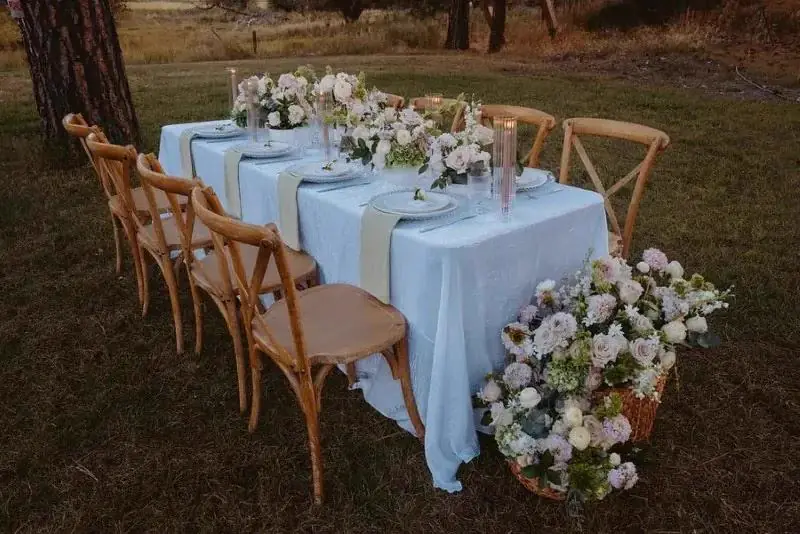
If tables are selected independently from chairs, linens, and tabletop pieces, the finished reception can feel less cohesive. Looking at the major categories together allows materials, textures, and levels of formality to support one another.
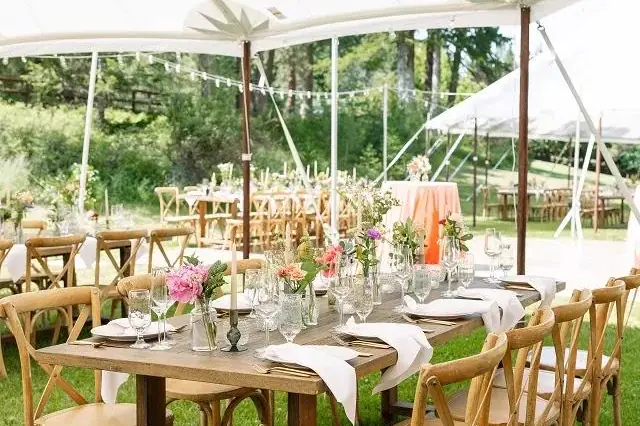
A sailcloth tent, for example, can be paired with furniture that complements its light, outdoor character. Premium linens can introduce color or texture, while plates, glassware, flatware, and chargers add detail at the tabletop level.
Lounge furniture can create a different type of space without feeling disconnected from the dining area.
The goal is not to make every piece match. It is to ensure that the event feels intentional when guests experience everything together.
What Should You Finalize Before Traveling to Montana?
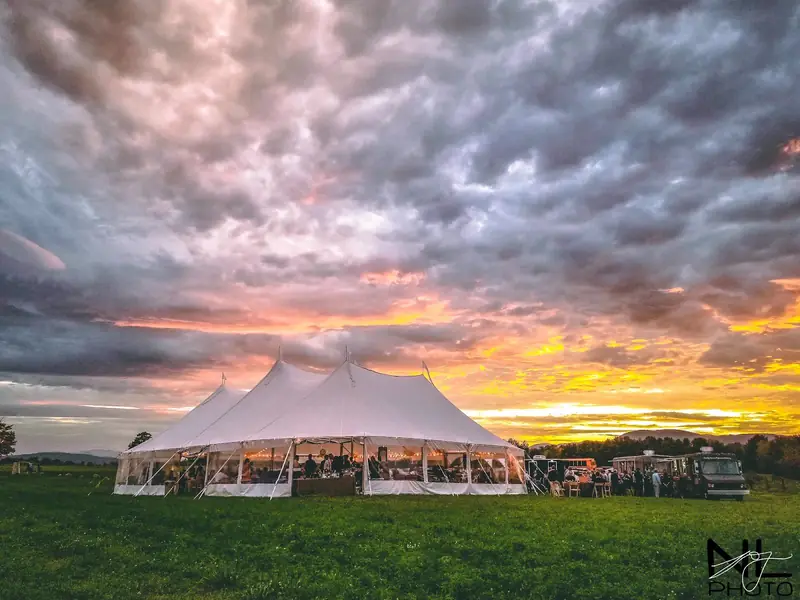
As the event approaches, remote planning should shift from selecting ideas to confirming details.
This is the point to review the latest guest count, furniture quantities, reception layout, venue information, and major rental selections. Leaving too many foundational decisions unresolved until arrival can make the final stages of planning more difficult.
Review the Event as One Complete Setup
Rather than reviewing individual rentals one by one, look at the event from beginning to end.
Confirm that the ceremony has appropriate seating and that the transition into cocktail hour makes sense. Review how guests will enter the reception and whether dining, lounge, and other gathering areas have enough room around them.
For a tented event, make sure the interior plan accounts for the major elements that need to share the space. For an outdoor reception, consider how the setup may function as daylight and temperatures change.
This final review is also an opportunity to identify unnecessary pieces. If a furniture grouping does not serve a clear purpose or a rental duplicates something already provided by the venue, it may not need to remain in the plan.
Prepare for the Final Coordination Stage
Before traveling to the Flathead Valley, keep the most important event information organized and accessible.
Your final planning materials should clearly identify the venue, event date, current guest count, ceremony and reception locations, primary furniture quantities, tent requirements when applicable, and confirmed rental selections.
Any unresolved questions should also be documented so they can be addressed without reopening decisions that have already been finalized.
This creates a clear transition from planning to execution. Instead of arriving in Montana still trying to determine the basic structure of the event, couples can focus on the final details surrounding their celebration.
Frequently Asked Questions
Can I plan a Flathead Valley wedding without living in Montana?
Yes. Destination weddings are an important part of the Flathead Valley event market. Remote planning is easier when venue information, guest counts, layouts, and rental selections are organized early and related decisions are coordinated together.
What should I confirm with my venue before selecting rentals?
Confirm which event spaces you will use, what furniture or equipment the venue already provides, available setup areas, access considerations, and any venue-specific requirements that could affect tenting or rentals.
When should I choose tables and chairs?
Tables and chairs should generally be selected after the venue, approximate guest count, and reception space are understood. They are major components of the layout and can influence many later rental decisions.
Can tenting and furniture be planned together?
Yes. In fact, planning them together can provide a clearer understanding of the reception footprint. Tables, chairs, lounge areas, entertainment, and guest circulation all influence how the tent space needs to function.
What rentals may be needed for a destination wedding in Montana?
Depending on the venue and event format, rental needs can include sailcloth tents, tables, chairs, premium linens, plates, glassware, flatware, chargers, lounge furniture, lighting, and heating.
How can I keep long-distance planning organized if details change?
Maintain one current version of the guest count, venue information, layout, and rental selections. When a major detail changes, review its effect on related categories instead of updating only one item.
Coordinate Your Flathead Valley Event With Celebrate Event Rentals
Planning an event from another state does not mean every decision has to be made independently. A clear venue plan, organized rental selections, and a logical decision-making process can make it easier to coordinate a destination celebration before arriving in Northwest Montana.
Celebrate Event Rentals provides premium event rentals for weddings and special events throughout the Flathead Valley. With sailcloth tents, tables, luxury seating, premium linens, tabletop pieces, lounge furniture, lighting, heating, and other event rentals available through one rental partner, couples and planners can build an elevated event around the venue, guest count, and overall celebration rather than piecing together each rental category separately.