Wedding Furniture Rentals Near Glacier National Park

Planning a destination wedding near Glacier National Park usually starts with the setting itself. Mountain views, open lawns, wooded properties, and venues scattered across Northwest Montana already give the day its character, so the furniture never has to fight for attention. Its role is simpler and more generous: to make the celebration comfortable, easy to move through, and visually at home on the property.
That sounds straightforward, yet furniture touches nearly every part of the day. Ceremony chairs shape the sightlines and the width of the aisle. Cocktail tables set the rhythm of how guests gather before dinner. Reception tables lay out the main floor plan, and lounge furniture opens up quieter corners for conversation once the evening settles in. Even the smaller pieces, bars, side tables, and other supporting furniture, guide how people move through the space just as much as the larger rentals do.
For couples researching event furniture rental near Glacier National Park, the best starting point is the venue and the guest experience, not a mood board. Style still matters a great deal, but it comes together more naturally once the major spaces, the approximate guest count, and the flow of the day are already in focus.
Celebrate Event Rentals has served the Flathead Valley since 2009, offering tables, seating, tents, linens, and related rentals, along with delivery, setup, and teardown support for celebrations throughout the region.
Start With the Venue Before Choosing Furniture
Furniture works best when it responds to the venue rather than being chosen straight from inspiration photos. Two weddings with nearly identical guest counts can still call for very different furniture plans, one held at an established event property, the other on private acreage.
Understanding what the venue already offers is the first real step, it keeps couples from renting furniture they don't need and helps the layout feel suited to the property from the start.
Find Out What the Venue Already Provides
Some venues include tables and chairs as part of the package; others offer little beyond the event space itself. It's worth confirming those details early, before the rental list starts taking shape.
Important questions include:
- Are ceremony chairs included?
- Are reception tables and chairs available?
- Are bars or cocktail tables provided?
- Is lounge furniture already part of the property?
- Is there indoor furniture that can be used as part of a weather contingency?
- Who is responsible for arranging or moving venue-owned furniture?
A venue may technically include tables and chairs and still fall short on quantity, style, or flexibility once the real layout takes shape. Clarifying those limits early makes every decision that follows easier.
Understand the Available Event Footprint
The next step is simply figuring out where furniture is actually needed.
A destination wedding often moves across several areas of the property over the course of the day, the ceremony on one lawn, cocktail hour somewhere else entirely, dinner beneath a tent or inside a separate reception space.
Furniture planning should account for those transitions rather than treating the whole property as one large room. Couples benefit from knowing where guests will sit, where they'll stand and mingle, and which areas need to stay open for service and movement.
Account for Access and Ground Conditions
Outdoor properties bring their own practical questions, ones that are easy to overlook while still focused on design.
The rental team needs to know where furniture can be unloaded, how far the setup area sits from vehicle access, and whether the path crosses grass, gravel, slopes, or narrow entrances. These details shape setup timing and how furniture gets distributed across the property.
Couples don't need to work through these logistics alone, but it's worth making sure they're addressed before the final layout gets approved.
Plan Furniture Around the Guest Experience
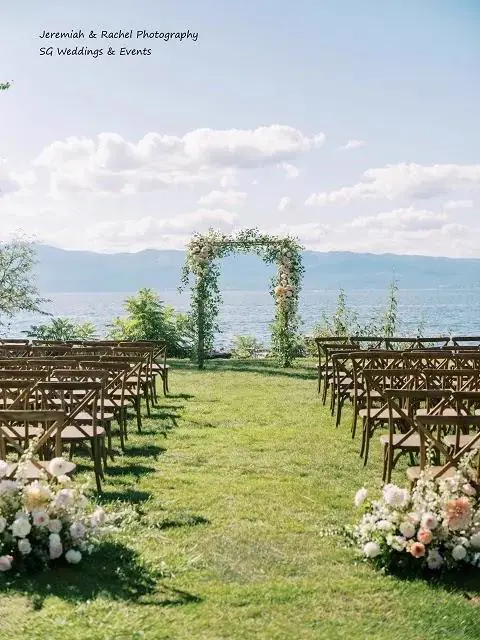
A well-planned wedding never asks the same furniture to do the same job all day long. A ceremony has different needs than cocktail hour, and the reception becomes its own environment entirely.
Thinking of the wedding as a sequence of guest experiences, rather than one continuous event, makes the furniture plan feel far more intentional.
Ceremony Seating
Ceremony furniture comes down to comfort, sightlines, and organization above all else.
Chair count should reflect the guest list, but the layout also needs to weigh aisle width, accessibility, the shape of the ceremony area, and the view guests will actually have from different rows.
Couples should also decide early whether the ceremony chairs will stay put afterward or move to another part of the property, a decision that affects both quantity and timing.
If the ceremony and reception both need to be fully set at the same time, separate seating is often the more practical choice.
Cocktail Hour Furniture
Cocktail hour tends to benefit from a looser, more relaxed furniture arrangement.
Guests are arriving from the ceremony, making their way to the bar, greeting one another, and drifting between small conversations. The furniture should support that natural movement rather than pinning everyone into fixed seating.
Cocktail tables, lounge groupings, and the occasional side table give guests somewhere to set a drink or sit down without turning the space into a second dining room.
A few comfortable seating areas also go a long way for older guests, or anyone who would rather not stand through the whole of cocktail hour.
Reception Furniture
The reception calls for the most structured furniture plan of the day, dining, entertainment, service, and circulation all have to share the same space.
Dining tables and chairs form the backbone of the layout, but they're only part of the room. Bar placement, the dance floor, entertainment, lounge areas, and service access all compete for the same available space.
That's the reason furniture should never be planned from guest count alone. A wedding with 150 guests, a large band, two bars, and lounge seating needs a very different reception layout than another 150-person wedding with a DJ and a simpler dinner plan.
Late-Evening Gathering Areas
As the evening shifts from dinner into dancing, guests start using the space differently.
Some head for the dance floor, while others drift toward quieter conversation away from the main activity. Lounge furniture creates those secondary gathering spots without pulling guests out of the celebration.
These spaces work best when they feel like a deliberate choice, not an afterthought tucked into whatever room was left over.
Let Guest Count Establish the Furniture Framework
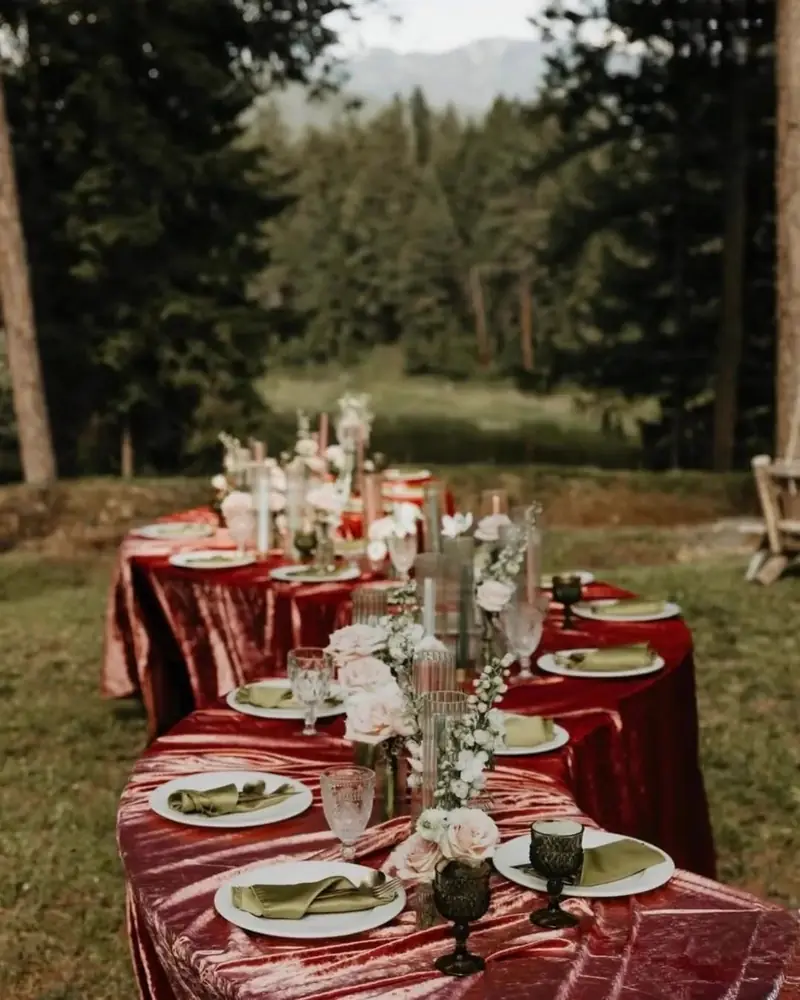
Guest count gives the furniture plan its basic scale, but it's a starting point, not the whole answer.
Couples don't need final RSVPs to get moving. A realistic estimate is usually enough to build an initial plan and figure out which categories of furniture are likely needed.
Begin With an Estimated Range
An early guest estimate can help determine:
- Approximate chair quantities
- Likely number of dining tables
- Cocktail-hour furniture needs
- Lounge capacity
- Overall reception footprint
This stage isn't about placing a final order, it's about building enough structure for the rest of the planning to move forward.
Finalize Quantities After the Layout Develops
Once the floor plan starts to take shape, quantities can be refined with real confidence.
Table shape, dinner format, dance-floor size, entertainment, bar placement, and available space all affect the final numbers, and a change in one part of the reception can ripple into furniture needs elsewhere.
For that reason, quantities are best checked against the final event layout rather than calculated on their own.
Leave Room for Comfortable Circulation
Furniture should create gathering areas without ever blocking the paths people need to move through them.
Guests need comfortable paths between dining tables, bars, the dance floor, restrooms, exits, and outdoor spaces, and staff need enough room to serve the evening without squeezing around tightly packed chairs.
Open space earns its keep. In a well-planned reception, it's what allows the whole evening to function comfortably.
Choose Furniture by Function Before Style
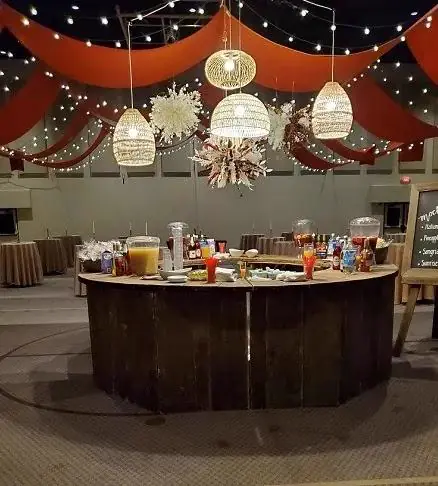
Furniture is one of the most visible design elements at a wedding, yet function should still come first.
A beautiful chair isn't the right choice if it clashes with the table height, the available footprint, or the ceremony plan, and a striking lounge arrangement loses its appeal fast if it blocks a major walkway.
Style does its best work once each piece already has a clear job to do.
Dining Furniture
Dining tables and chairs set the tone for the entire reception environment.
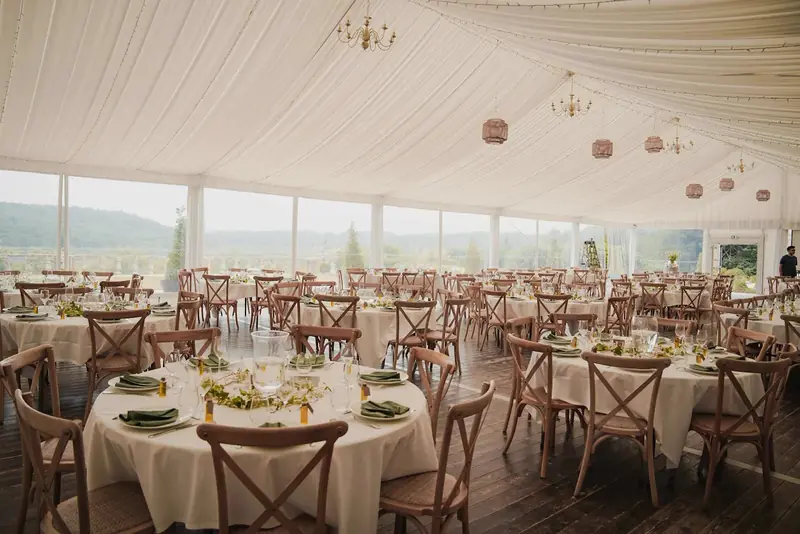
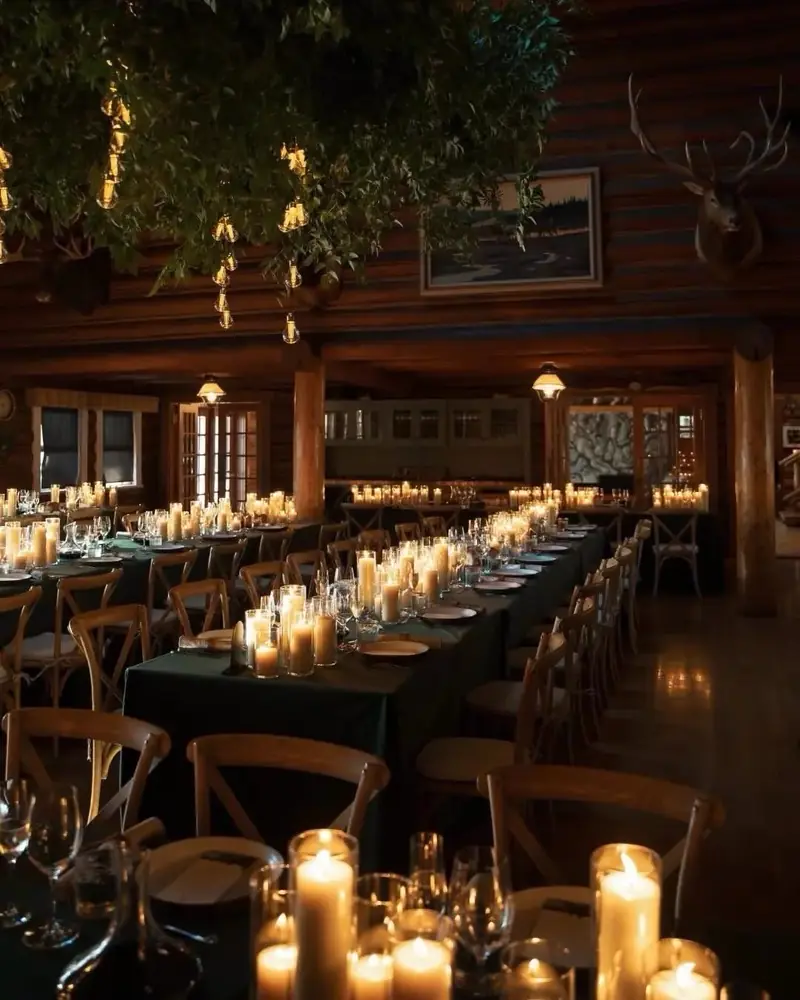
The right setup depends on guest count, dinner style, available space, and the atmosphere the couple wants to create. Long tables suit one kind of layout; round tables create an entirely different feel.
There's no need to settle here which shape is best. What matters is choosing furniture that supports the floor plan and service style already taking shape.
Cocktail Furniture
Cocktail tables earn their place in areas where guests are meant to stand, move, and socialize.
They offer a convenient surface without filling the space with full seating. Placed near the bar or around the cocktail-hour area, they let guests gather naturally while keeping the circulation open.
Lounge Furniture
Lounge seating serves a different purpose altogether.
It creates places for real conversation, gives guests an alternative to dining chairs, and can make a large outdoor setting feel more intimate. Lounge pieces tend to shine during cocktail hour or later in the evening, when not everyone wants to stay at a dinner table or join the dance floor.
Bars and Supporting Pieces
Bars belong in the furniture plan because they shape both function and traffic flow.
A bar placed too close to an entrance or major walkway can create a bottleneck, while one set too far from the reception can pull guests away from the main activity. The supporting pieces around it are worth considering too, in terms of how people will queue, order, and gather.
Create Different Furniture Zones Across the Wedding
Furniture can mark out the different parts of the celebration without ever making them feel disconnected from one another.
| Wedding Zone | Furniture Priority | Planning Goal |
|---|---|---|
| Ceremony | Chairs and aisle layout | Comfortable seating and clear sightlines |
| Cocktail Hour | Cocktail tables, bar, lounge pieces | Encourage movement and conversation |
| Dinner | Dining tables and chairs | Support service and comfortable seating |
| Dance Area | Nearby seating and supporting furniture | Keep guests connected to the activity |
| Quiet Gathering Areas | Lounge seating and side tables | Provide an alternative to dancing |
Avoid Making Every Area Feel the Same
The ceremony, cocktail hour, and dinner don't need matching furniture arrangements.
Their different functions offer a chance to shift the atmosphere gradually as the day unfolds. Formal ceremony rows can give way to looser cocktail furniture, then settle into a more structured dinner arrangement.
That variety keeps the wedding feeling dynamic while still holding to one overall design direction.
Keep the Overall Design Connected
Even so, every space should still feel like part of the same wedding.
That doesn't mean every piece needs the same finish or material. Cohesion can come just as easily from repeating a few elements, wood tones, neutral upholstery, or similar lines and proportions carried across the furniture.
The goal is continuity, not repetition for its own sake.
Let the Setting Influence the Furniture Without Turning It Into a Theme
A wedding near Glacier National Park already carries a strong sense of place. Furniture can respond to that setting without spelling it out too literally.
The landscape deserves room to carry some of the visual weight itself.
Allow the Landscape to Carry Some of the Design
When a property already has dramatic views or a strong natural setting, furniture doesn't need to dominate every photograph.
Simple, well-proportioned pieces can frame the environment while letting the scenery, florals, and overall design stay in view.
That restraint works especially well for destination weddings, where the setting itself is part of the reason guests made the trip to Montana.
Choose Materials That Make Sense With the Venue
Furniture materials and finishes can support the architecture and surrounding landscape without leaning on a generic “Montana” theme.
Wood, neutral finishes, upholstered seating, and textural pieces can all work, depending on the property. The right choice should respond to the venue's own character and the couple's design direction, rather than follow a fixed regional formula.
Use Statement Pieces Selectively
Not every rental needs to steal the spotlight.
A distinctive bar, lounge grouping, or table can create a focal point without asking the entire furniture plan to compete for attention. A few well-chosen statement pieces usually carry more impact than trying to make every chair and table one.
Coordinate Tables and Chairs Without Overcomplicating the Plan
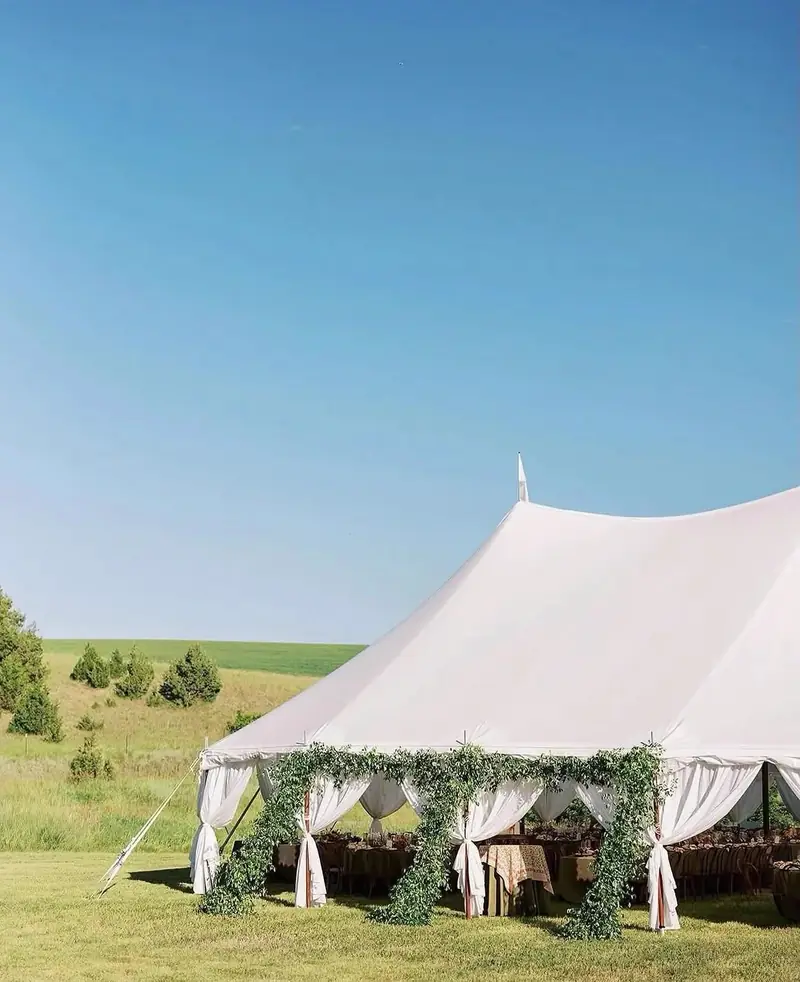
Tables and chairs naturally take up much of the visual space at a reception, which makes them important design elements in their own right. Even so, they're best chosen within the context of the whole layout, not on their own.
Decide on the Layout First
The floor plan should settle where dining happens and how much room is available before any specific furniture styles get finalized.
Once the number of tables, the general configuration, and the circulation needs are clear, couples can choose pieces that fit the plan, rather than bending the plan around a favorite chair or table.
Think About the Visual Repetition of Chairs
A single chair may seem like a small detail, but multiply it by dozens or hundreds and identical chairs start to shape the entire look of the event.
That repetition is exactly why silhouette and finish matter so much. A simple chair used across the ceremony and reception can influence the visual direction more than any single decorative feature elsewhere in the wedding.
Celebrate Event Rentals' collection includes farm tables and crossback chairs among its furniture options, though the broader principle here matters more than any single pairing.
Coordinate Ceremony and Reception Needs
Couples are wise to decide early whether the ceremony and reception need separate furniture.
Moving chairs between spaces is possible in some situations, but it brings its own timing and labor considerations. If cocktail hour begins the moment the ceremony ends while the reception is still being prepared elsewhere, separate seating usually makes for a smoother transition.
This is a decision best made around the actual wedding-day schedule, not in the abstract.
Add Lounge Furniture With a Purpose
Lounge furniture can give a destination wedding a layered, lived-in feel, but only when it's doing real work.
Filling every open area with sofas and chairs tends to crowd the property and dilute the impact of the pieces that matter most.
Create Conversation Areas
A lounge grouping gives guests somewhere to settle into a longer conversation without heading back to their dinner seats.
These areas tend to work especially well near cocktail hour, just off the reception, or slightly removed from the dance floor, close enough for guests to still feel part of the celebration without standing in the middle of it.
Use Lounges to Define Large Outdoor Spaces
Large lawns and open properties can sometimes feel a little shapeless on their own.
A well-placed lounge grouping creates a smaller destination within that larger setting. Furniture sets boundaries without needing walls, helping guests read how different parts of the property are meant to be used.
Do Not Overfill the Venue
Open space has its own value.
Guests need room to move, photographers need clear sightlines, and service staff need unobstructed routes. Leaving parts of the venue intentionally open makes the whole event feel more spacious and considered.
The goal was never to fill every corner with rentals, it's to furnish the spaces guests will genuinely use.
Keep Furniture Connected to the Tent and Floor Plan
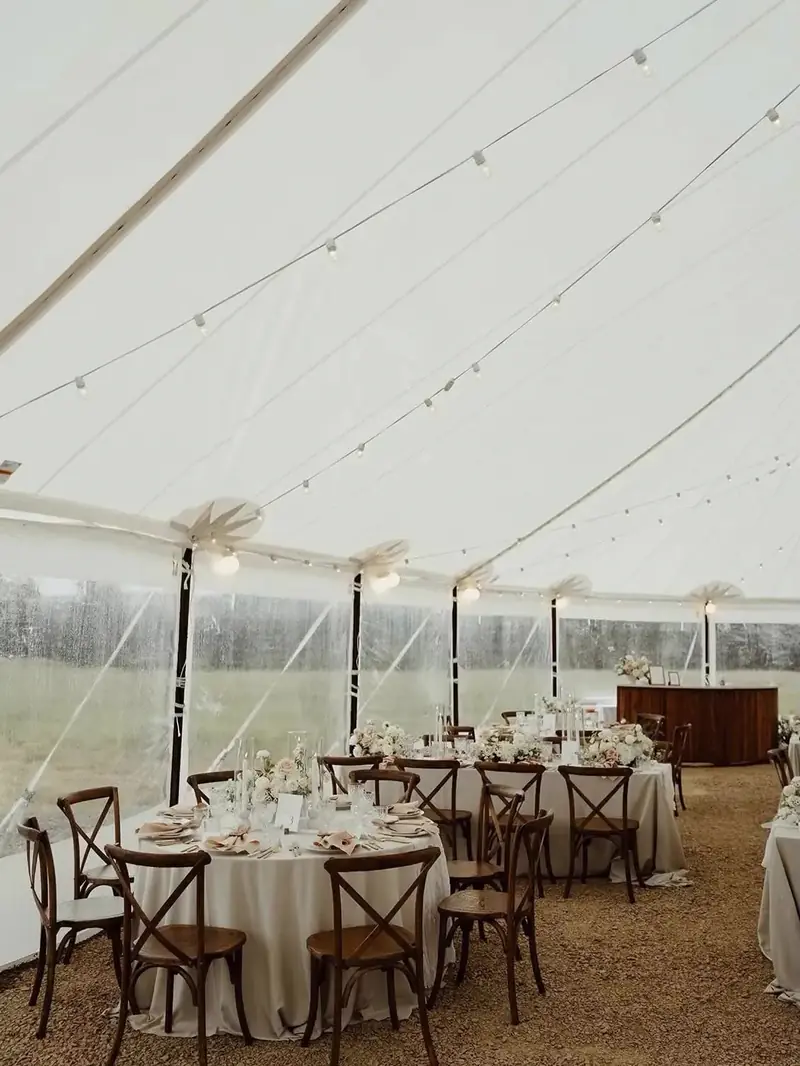
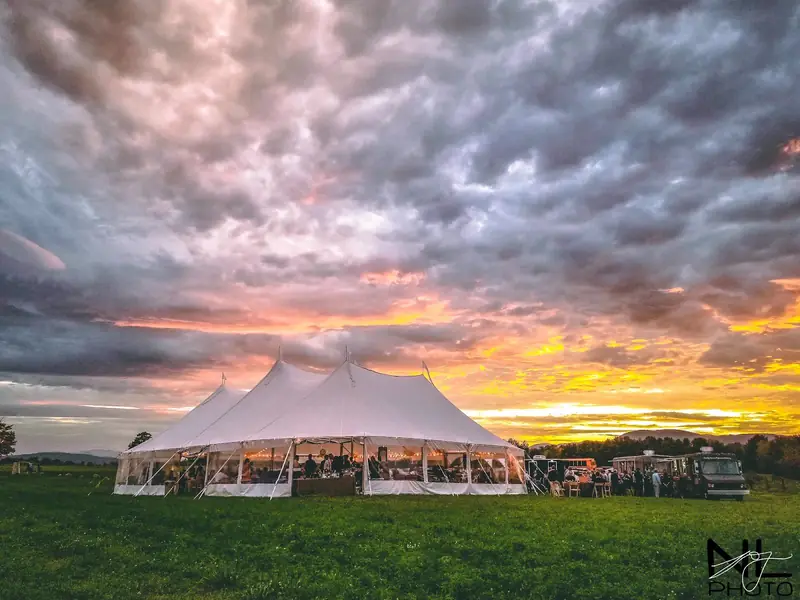
For tented receptions, furniture has to work within the physical structure of the tent itself. The tent sets the available footprint, but the furniture plan determines how that footprint actually functions.
The Tent Establishes the Furniture Boundary
Dining tables, chairs, bars, lounge pieces, entertainment, and service areas all have to share that same defined space, so furniture is best planned with a clear sense of everything else that needs to happen beneath the tent.
Furniture Placement Should Respect the Structure
Tent poles, entrances, exits, and service routes all influence where furniture can comfortably sit.
A table that looks like it fits on a diagram can still run into a tent pole or a major walkway once the full event comes together.
That's why the furniture layout and the tent plan are best reviewed together, rather than finalized on their own.
Do Not Plan Around Chair Count Alone
A reception structure needs to hold far more than just seating.
Bars, dancing, entertainment, service, and circulation all need usable space of their own. A furniture plan that only accounts for tables and chairs can leave the finished reception feeling far tighter than anyone expected.
The finer points of tent selection belong in their own conversation, but furniture planning should always keep in mind that the same footprint has to carry the entire event.
Coordinate Furniture With Linens and Tabletop Later
Furniture lays the foundation for the reception design. Linens and tabletop then come in to refine it.
There's no need to choose every place setting before the major furniture plan is settled.
Establish Furniture First
Tables and chairs set much of the visual rhythm and scale of the room.
Once those are settled, couples can evaluate linen colors, tabletop materials, and other guest-level details with far more confidence.
Add Linens and Tabletop Around That Foundation
Linens, dishware, glassware, and flatware bring in color, texture, and formality without changing the larger layout at all.
Celebrate Event Rentals supplies linens and tabletop pieces alongside its furniture inventory, which makes it easier to keep those categories coordinated.
Aim for Cohesion Rather Than Perfect Matching
Furniture and tabletop don't need to match exactly.
A wood table can pair beautifully with softer linens, while neutral seating leaves room for more distinctive glassware or florals. The strongest combinations usually feel related to one another without looking overly matched.
Destination Wedding Furniture Logistics Matter
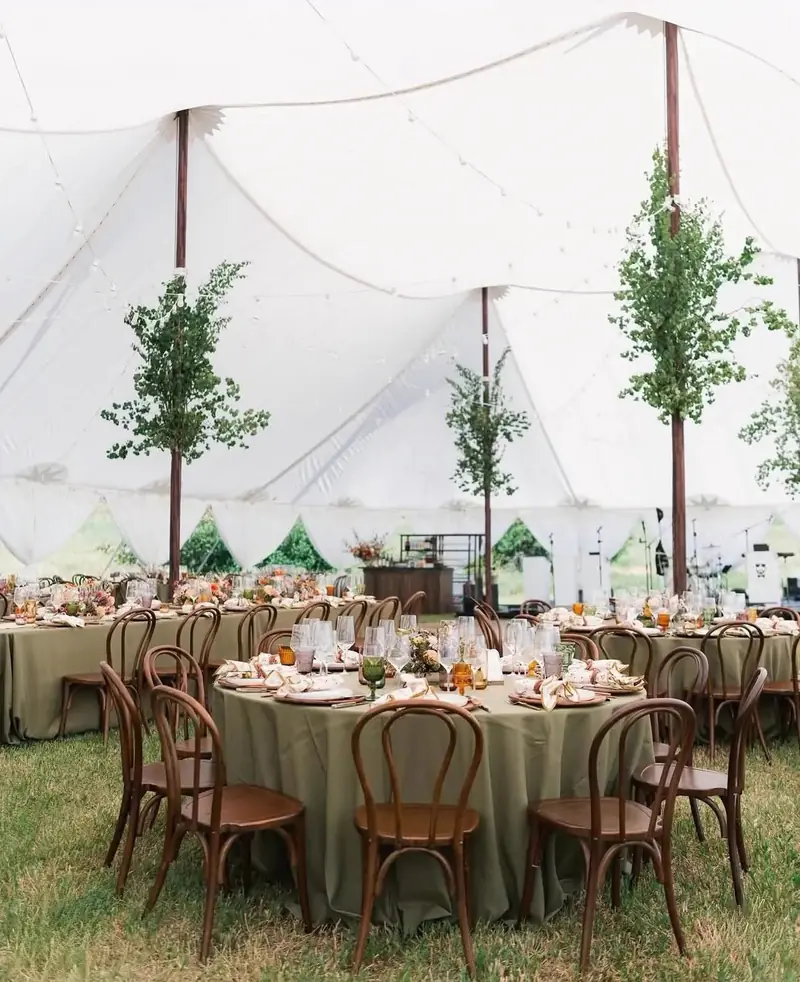
Furniture planning doesn't end once the pieces are selected.
For a destination wedding, delivery and setup affect the schedule just as much as the design does.
Confirm Delivery Access
The venue should confirm:
- When rental delivery is permitted
- Where trucks can unload
- How far pieces must travel from the loading area
- When the property is available for setup
- Whether any areas have access restrictions
- When rentals must be removed
These details matter even more when the wedding stretches across a large outdoor property.
Know Who Places the Furniture
Couples and planners benefit from knowing upfront whether rentals are simply dropped off or whether the rental team also handles placement and breakdown after the event.
Celebrate Event Rentals' crew delivers the furniture, arranges it on site according to the plan, and returns for strike once the event has ended.
Knowing that in advance helps planners build a far more accurate setup schedule.
Coordinate With the Planner and Other Vendors
Furniture often needs to be in place before other parts of the design can come together.
Florists need tables ready before centerpieces go on, linens and tabletop can't be fully set until furniture placement is confirmed, and entertainment teams often need access near the dance floor before the surrounding lounge or dining furniture is finalized.
Coordinating these steps up front saves vendors from having to move completed work later on.
Planning Event Furniture Near Glacier National Park From Out of State
Destination couples can make real progress on the furniture plan without ever setting foot on the property, the process simply works best when the venue and event details are shared early.
Share the Important Information First
The rental team should know:
- Wedding date
- Venue
- Approximate guest count
- Ceremony and reception locations
- Known venue furniture
- General floor-plan needs
- Overall design direction
That's enough context to start offering genuinely useful recommendations.
Build the Furniture Plan in Stages
Remote planning becomes far easier when couples first identify the furniture categories they need, then refine quantities and individual styles as the floor plan develops.
There's no need to lock in every lounge chair, table finish, or accent piece during the very first conversation.
Refine Rather Than Finalize Everything at Once
As guest count, catering, entertainment, and the wedding-day schedule come into focus, the furniture order naturally becomes more specific.
Celebrate Event Rentals' remote process includes catalog browsing, quote requests, and consultation support built specifically for destination clients.
The larger point stands on its own: distance never requires couples to make every furniture decision before they're ready.
Plan the Furniture Around the Celebration, Not the Catalog
The strongest furniture plan always begins with the wedding itself.
The venue determines the available spaces, the guest count sets the scale, and the event schedule shows how those spaces need to shift throughout the day. Furniture can then be chosen around ceremony seating, cocktail-hour movement, dinner, dancing, and quieter gathering areas, not assembled as a list of individual products.
That approach also protects what makes a Glacier-area destination wedding distinctive in the first place. Furniture can bring comfort and structure without competing with the property, or filling every open area simply because the space is there.
Celebrate Event Rentals has served the Flathead Valley since 2009, providing tables, seating, tents, linens, and related rentals with delivery, setup, and teardown support for weddings throughout the region. For couples planning a wedding near Glacier National Park, thoughtful furniture planning is what makes the entire celebration feel cohesive, from the first ceremony seat to the final conversation of the evening.
Frequently Asked Questions
How far in advance should couples reserve event furniture near Glacier National Park?
Furniture planning should begin as soon as the venue, wedding date, and approximate guest count are settled. It's worth discussing major or especially important pieces early, while final quantities can usually be refined as RSVPs and the floor plan come together. Exact reservation deadlines are best confirmed directly with the rental company, since availability can vary by date and inventory.
Can furniture quantities change after the initial order?
Yes, preliminary quantities are often based on an estimated guest count, with the final order reviewed later once the seating plan becomes clearer. Any changes remain subject to the rental company's policies and available inventory, so it's worth confirming how quantity adjustments are handled at the time of booking.
Can destination couples choose wedding furniture without visiting Montana first?
Absolutely, much of the initial planning can happen remotely once the couple shares the venue, event date, approximate guest count, and general floor-plan needs. Individual selections can then be refined through the rental company's catalog and consultation process, without waiting on an in-person visit for every decision.
Should ceremony and reception chairs be the same?
They can be, though they don't have to be. It really comes down to whether furniture can realistically move between the two spaces, how much time falls between the ceremony and reception, and whether both areas need to be fully set at once.
What furniture might be needed beyond dining tables and chairs?
Depending on the wedding format, couples may also want cocktail tables, bars, lounge furniture, side tables, and supporting pieces for gathering or service areas. The goal is always to choose pieces with a clear role, not to add furniture simply to fill the property.